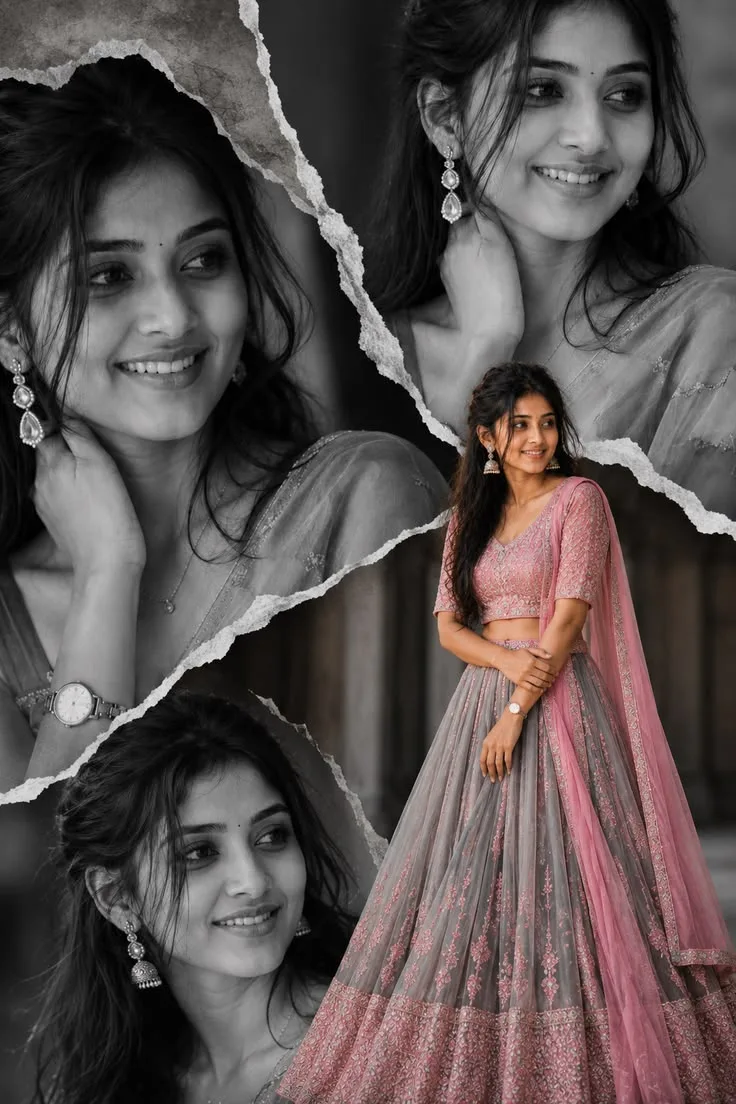
Torn Paper Editorial Fashion Portrait Collage
Quelle: @rehman
Dieser Prompt erzeugt: Torn Paper Editorial Fashion Portrait Collage.
Geeignetes Modell: ChatGPT.
Aus dem Prompt lässt sich festhalten: three-quarter.
Eine Variable, die du ändern kannst: Fotorealistisch look.
So verwendest du diesen Prompt
- Modell: ChatGPT.
- Motiv: Torn Paper Editorial Fashion Portrait Collage.
- Variable ändern: Fotorealistisch look.
0 Aufrufe · 0 Kopien · 0 Favoriten · 0 Diskussionen
0Prompt
Heute noch 1 von 1 kostenlosen Kopien
Use the uploaded user photo as the ONLY identity reference for the main human subject. Preserve the user's exact recognizable identity with maximum fidelity: facial structure, face shape, forehead, eyebrows, natural eye shape and spacing, nose, lips, mouth structure, jawline, cheekbones, chin, skin tone, natural skin texture, hairline, hairstyle characteristics, facial hair if present, and every distinctive facial feature. Do not copy the identity of the reference model. Do not beautify, redesign, slim, enlarge, age, de-age, feminize, masculinize, or otherwise reinterpret the user's face. The user's identity must remain unmistakably recognizable in every appearance.
Recreate the reference as a sophisticated vertical fashion/editorial portrait collage with a 2:3 aspect ratio, approximately 736×1104 composition. The design consists of three large monochrome photographic portrait fragments of the same subject arranged behind a torn-paper foreground cutout, plus one full-body color portrait overlapping the right-center and lower portion of the composition.
MAIN FULL-BODY SUBJECT: Place the user's identity as the dominant full-body figure slightly right of center, extending from approximately the upper-middle of the canvas down to the bottom edge. Recreate the reference's elegant standing pose: body facing mostly forward with a subtle three-quarter orientation, shoulders relaxed, torso upright, one arm crossing naturally in front of the waist while the opposite hand rests lower near the wrist/forearm. Hands must be anatomically natural and relaxed. Legs remain mostly together beneath the flowing outfit, with the long garment extending dramatically toward the bottom and right edge. Head is turned slightly toward screen-left while the eyes look toward screen-left/upward, away from the camera. Expression is a gentle, warm, natural smile with relaxed cheeks and lips, matching the reference. Do NOT use the facial expression, gaze, or head angle from the user's source photo; reconstruct the reference expression, gaze, and head pose while retaining only the user's identity.
CLOTHING: Recreate the reference styling as closely as possible: an ornate traditional South Asian lehenga-style ensemble with a fitted short-sleeved embroidered blouse, a long flowing heavily embellished skirt, and a sheer dupatta draped over the shoulder and falling down the right side. The garment is predominantly dusty rose pink, blush, muted mauve, and soft gray-pink, covered in intricate repeating floral and geometric embroidery, delicate metallic-looking threadwork, fine borders, and dense decorative detailing. The skirt should have substantial volume and a graceful flowing silhouette. Preserve realistic textile weight, folds, embroidery depth, stitching, and fabric translucency. Add elegant dangling traditional earrings and a refined wristwatch/bracelet if appropriate to the reference styling.
BACKGROUND COLLAGE: Behind the full-body figure, create three separate large black-and-white editorial portraits of the same user's identity, integrated as torn photographic paper pieces. Upper-left: a large close-up portrait occupying much of the left half, showing the subject in a three-quarter facial view, head slightly angled, eyes looking toward screen-right, with a soft genuine smile. One hand is raised beside the neck/cheek with fingers resting naturally near the jawline; a wristwatch is visible on the wrist. Upper-right: another large monochrome close-up portrait, positioned behind the full-body figure, with the head turned slightly toward screen-right and eyes gazing toward screen-right, smiling softly; one hand rests naturally along the side of the neck. Lower-left: a third monochrome close-up portrait cropped around the head and shoulders, head angled slightly upward and toward screen-right, eyes looking toward screen-right, with a subtle serene smile. All three portraits must preserve the user's identity while independently reproducing the reference's facial expressions, gaze directions, and head positions.
TORN PAPER EFFECT: Separate the monochrome portraits with irregular, organically ripped white paper edges. Make the tears highly detailed and tactile, with uneven fibers, rough paper texture, subtle shadows, gray edges, and realistic layered-paper depth. The upper-left portrait has a torn boundary running diagonally downward toward the center. The upper-right portrait is separated by a dramatic diagonal torn edge descending toward the center-right. The lower-left portrait has another irregular torn edge rising diagonally toward the full-body subject. The torn edges must feel physically ripped rather than digitally cut.
COLOR TREATMENT: Keep the three background portrait panels strictly black-and-white/neutral monochrome with rich grayscale tonal range, soft highlights, deep blacks, subtle film grain, and refined editorial contrast. Keep ONLY the dominant full-body subject in muted natural color, primarily dusty pink, blush, mauve, and gray-pink. This selective-color contrast is essential to the composition.
ENVIRONMENT: Behind the torn portraits and full-body figure, use a subtle dark, elegant architectural/interior background with muted vertical structural forms resembling curtains, pillars, or a sophisticated indoor venue. Keep it understated and slightly blurred so the collage and subject remain dominant.
LIGHTING: Use soft diffused studio/editorial lighting with gentle highlights across the face and clothing, controlled shadows, realistic skin texture, and dimensional fabric rendering. The monochrome portraits should have cinematic low-key contrast without crushed facial detail. The color subject should have slightly warmer natural illumination while remaining harmoniously integrated with the grayscale collage.
CAMERA/OPTICS: Photorealistic professional fashion photography, realistic human anatomy, natural proportions, medium-format editorial aesthetic, approximately 50–85mm portrait perspective for the close-ups and natural full-body perspective for the standing figure. Sharp facial detail, realistic eyes, pores, hair strands, embroidery, jewelry, and fabric texture. Use moderate depth of field with the background softly subdued while the collage portraits remain clearly legible.
COMPOSITION: Preserve the exact visual hierarchy of the reference: three oversized grayscale close-up portraits surrounding the composition, irregular torn-paper separations, and one smaller but dominant full-body color figure overlapping the collage on the right-center and extending toward the bottom-right. Do not redesign the layout, center the full-body figure, remove the torn-paper borders, or turn the image into a conventional single portrait.
STYLE: Ultra-realistic photographic collage, luxury South Asian fashion editorial, sophisticated magazine aesthetic, tactile torn-paper artwork, cinematic grayscale photography combined with selective muted color, subtle analog film grain, refined tonal grading, realistic shadows, premium print texture, high detail, natural skin, authentic fabric rendering, polished professional retouching without plastic skin.
FINAL QUALITY: Extremely detailed, photorealistic, anatomically correct, seamless identity consistency across all four appearances, realistic hands and fingers, natural facial geometry, accurate jewelry, convincing paper fibers and shadows, crisp but organic photographic detail, premium editorial print quality, high resolution.
NEGATIVE INSTRUCTIONS: no identity change, no reference-person face, no generic face, no facial redesign, no beautification, no altered ethnicity, no gender change, no expression from the user's source photo, no incorrect gaze, no inconsistent face between portraits, no extra fingers, fused fingers, malformed hands, duplicate limbs, distorted anatomy, plastic skin, excessive smoothing, cartoon appearance, CGI look, oversaturated colors, artificial clothing, flat paper edges, clean digital cutouts, misplaced subjects, incorrect collage arrangement, excessive blur, low resolution, text, logos, watermark.
Ähnliche Prompts
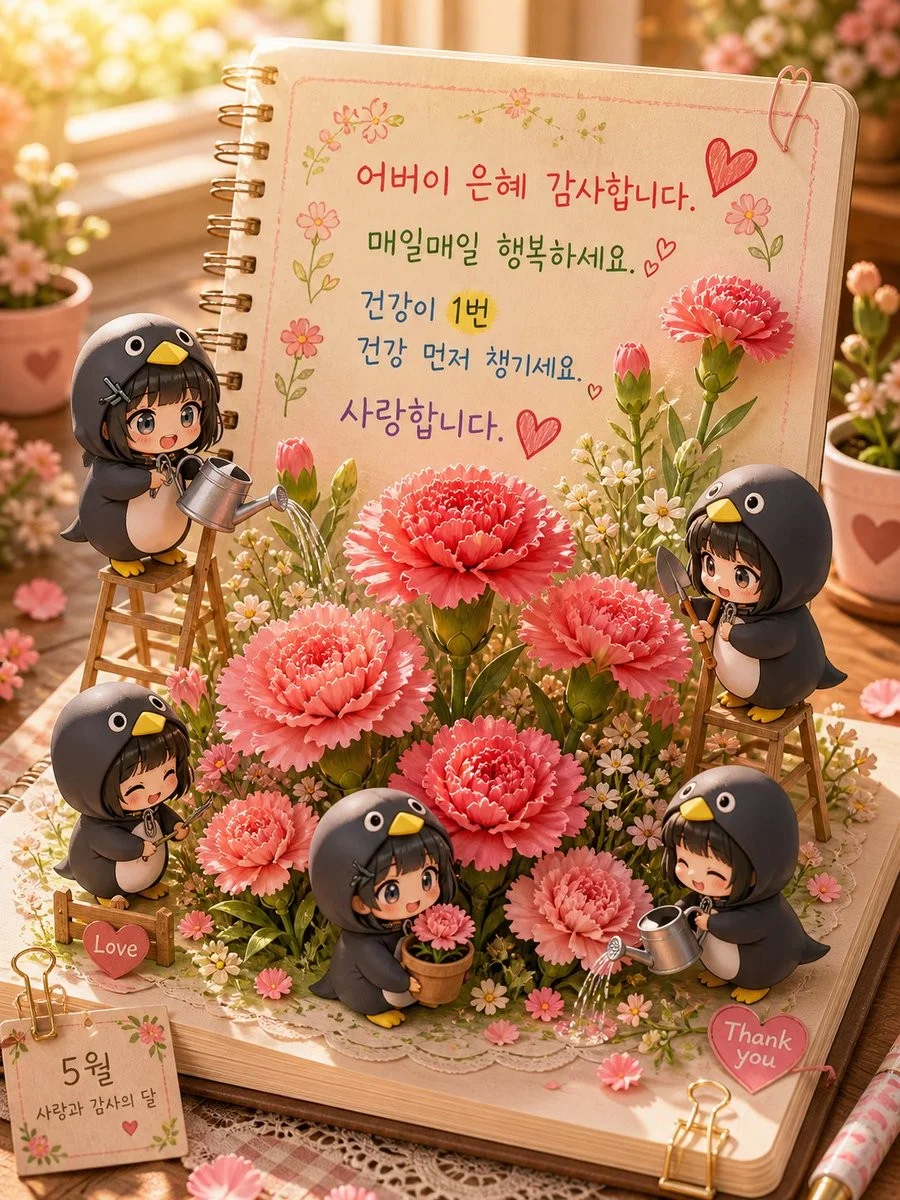
3D Pop-up Parents Day Card
3D 노트 위 꽃이 입체적으로 피어나는 장면, 첨부된 사진의 미니 캐릭터들이 물주고 가꾸는 모습, {argument name="날씨" default="따뜻한 5월 햇살"}, 캐리커처 스타일, 밝고 사랑스러운 분위기, 실제 꽃처럼 디테일하게,
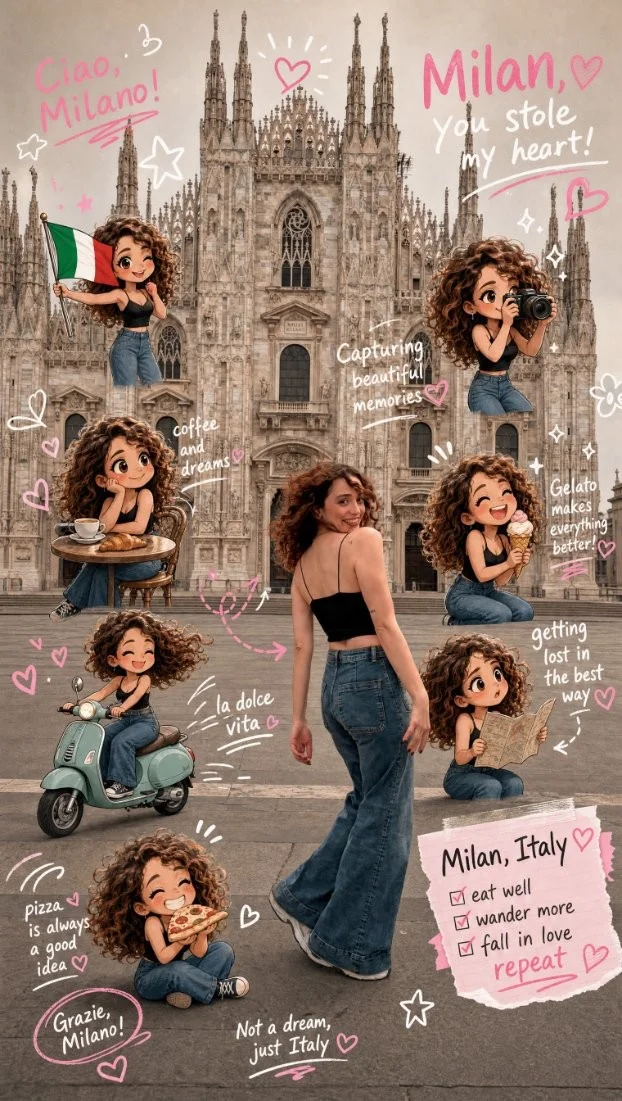
Chibi Scrapbook Photo Transformation
remove the people around the main character, Add multiple small, cute chibi-style “mini versions” of her around the image.
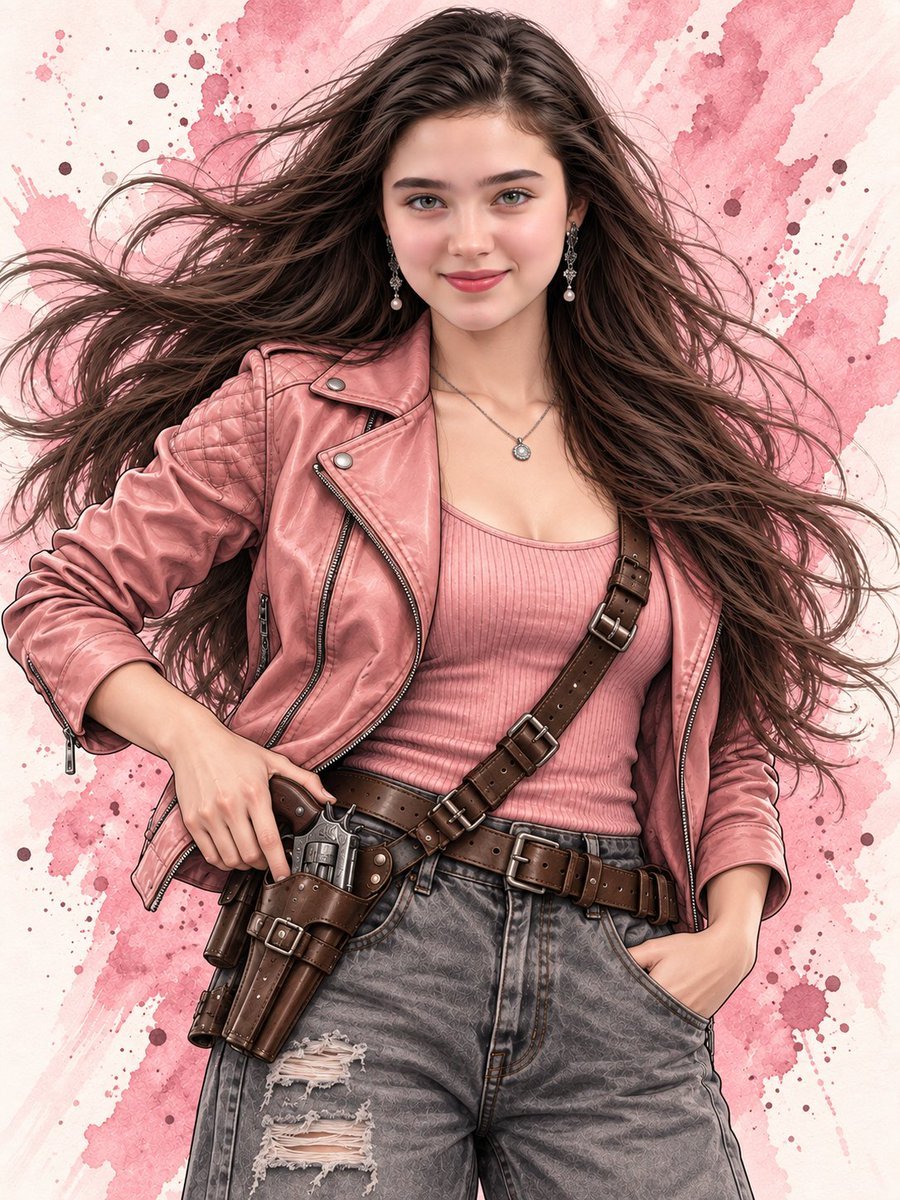
AI Photo Generation Guide
1. Open Gemini / Grok / GPT Image 2.0 2. Upload your photo 3. Copy the prompt 4. Generate 5. Prompt ⤵️ https://t.co/ufvHABxbuM
Depth in Image Generation
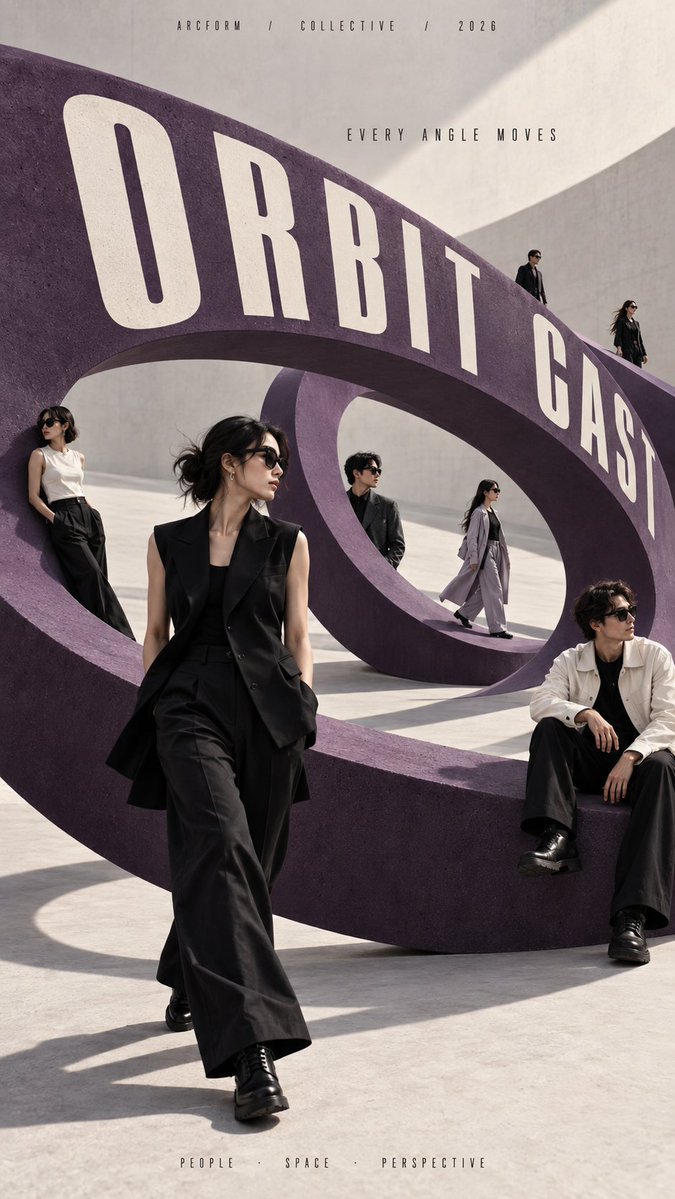
🤯 Images 2.5 is so good at building depth!
AI Sticker-Cutout Photo Effect
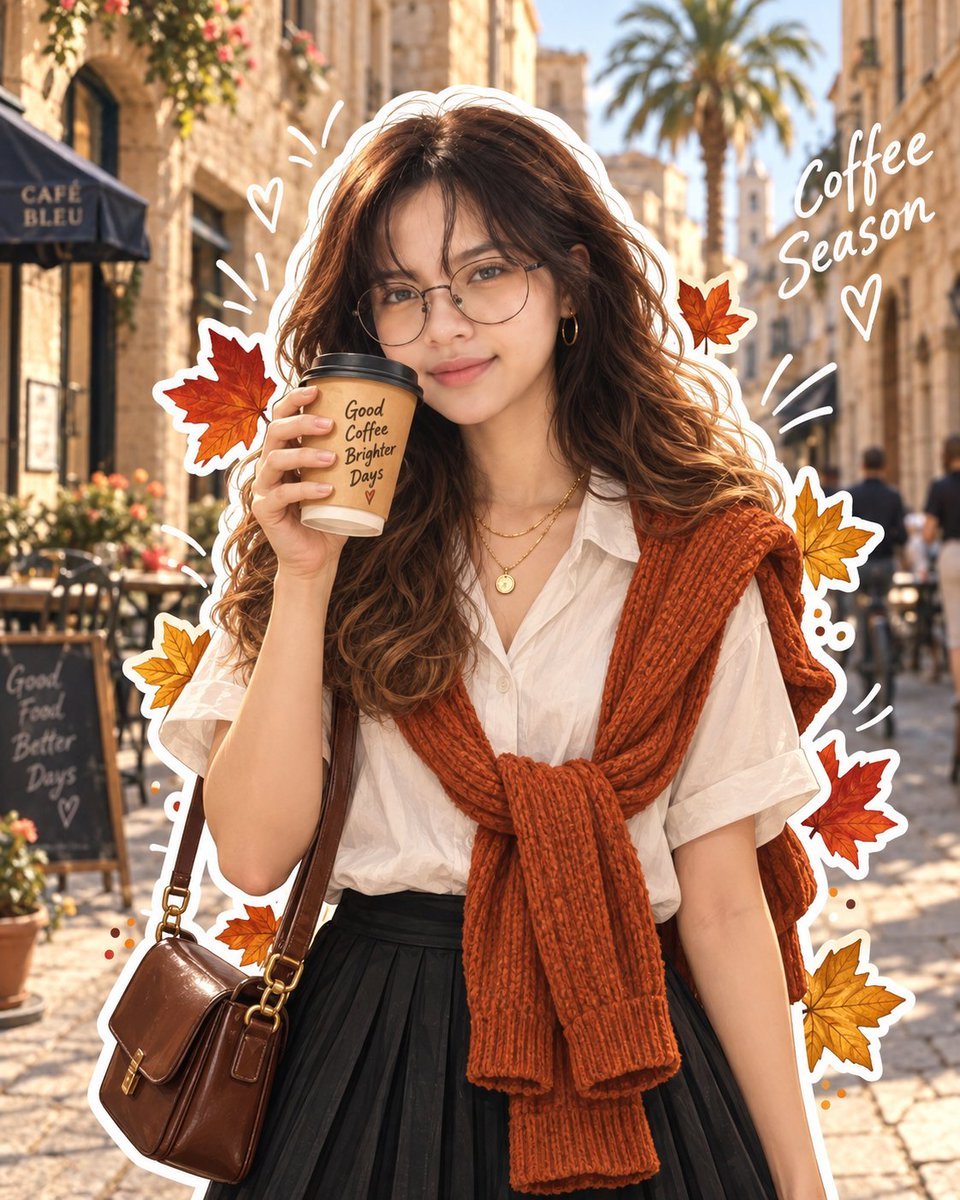
How to get this viral sticker-cutout photo effect with AI GPT image 2 on chatgpt Prompt👇 https://t.co/Re6oPaU3zv
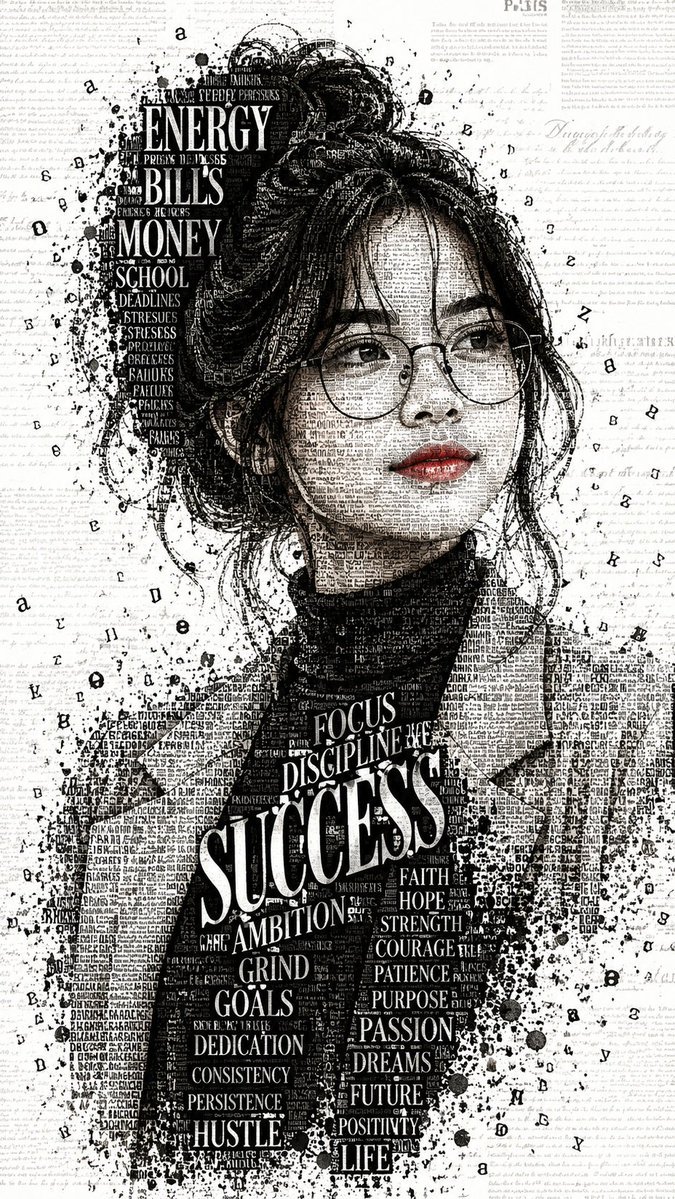
Photo made of words
Your photo, but made entirely from words 🤯👇 ① Open Gemini / Grok / GPT Image 2.0 ② Add your photo ③ Paste the prompt ④ Generate.
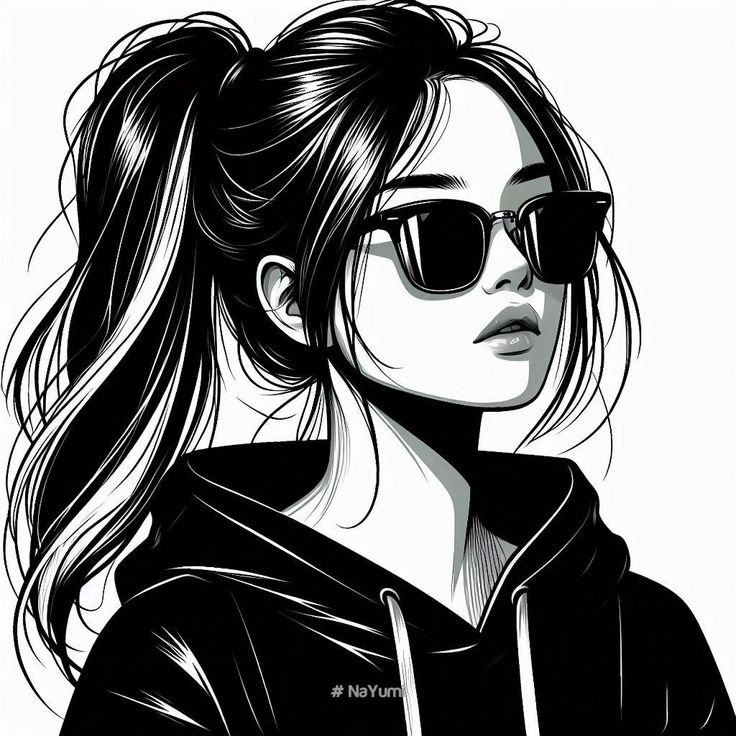
Photo to Hand-Drawn Art
Turn your photo into a hand-drawn masterpiece ✍️🖤 ① Upload your photo ② Copy this prompt ③ Generate ④ Done.
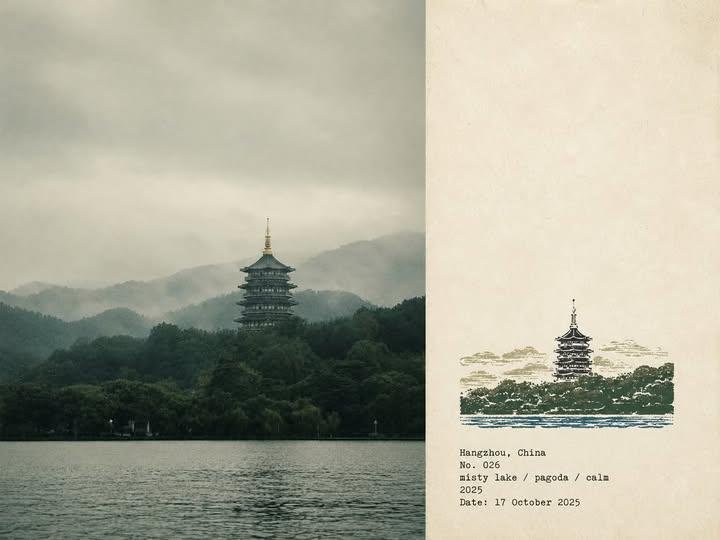
Rubber Stamp Travel Field Notes Poster
GPT image 2 on chatgpt Prompt👇 Please create a separate "Rubber Stamp Travel Field Notes Poster" for each photo I upload, outputting each
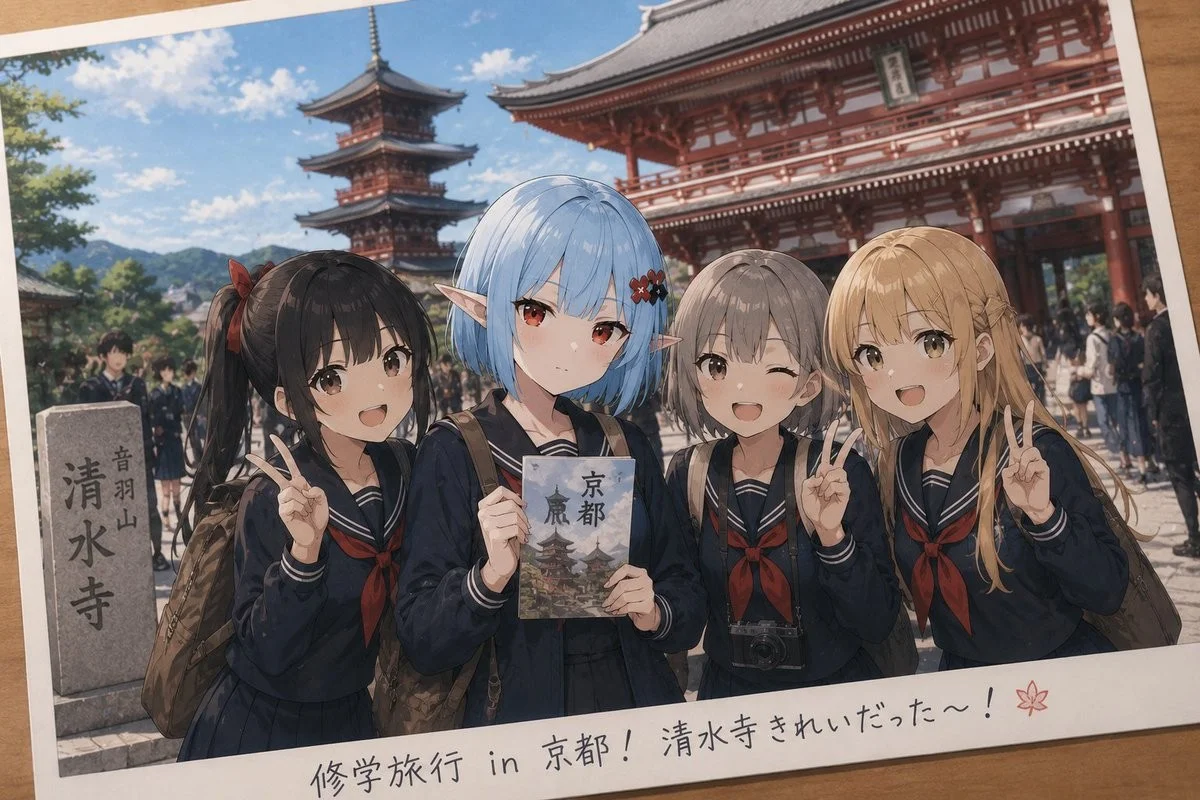
Event Photo Synthesis Illustration
Generate a single illustration based on the school trip photos.
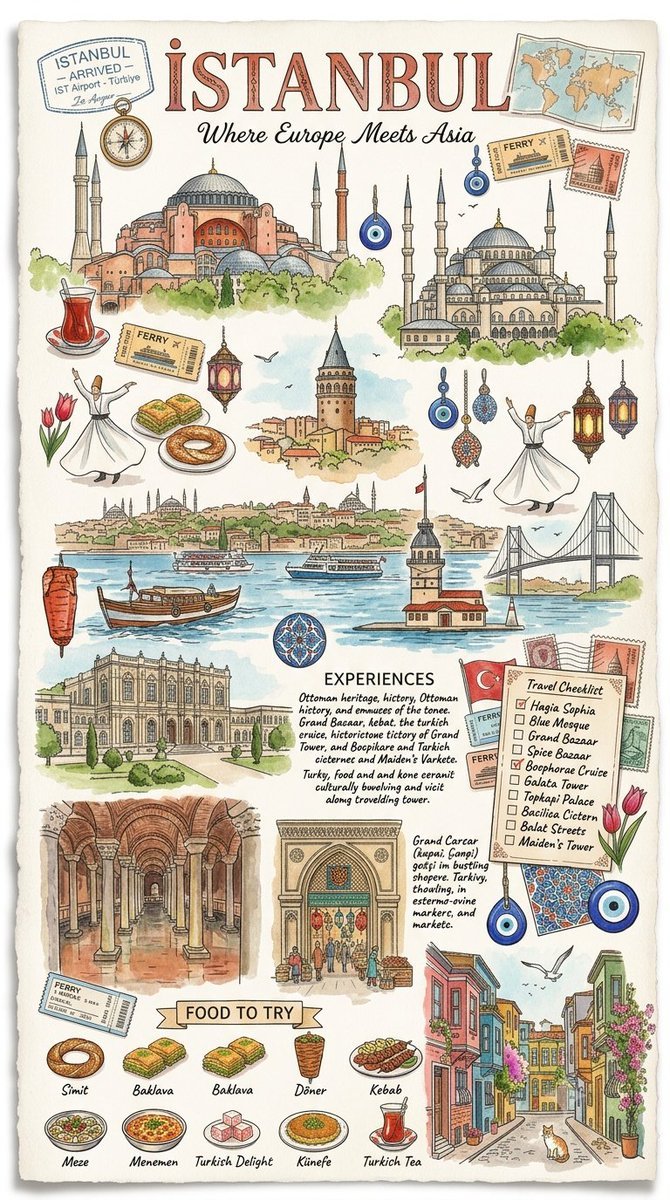
Istanbul Travel Journal Collage
Image created on Gpt 2 Prompt: Ultra-realistic hand-painted watercolor travel collage with soft ink outlines, vintage travel journal
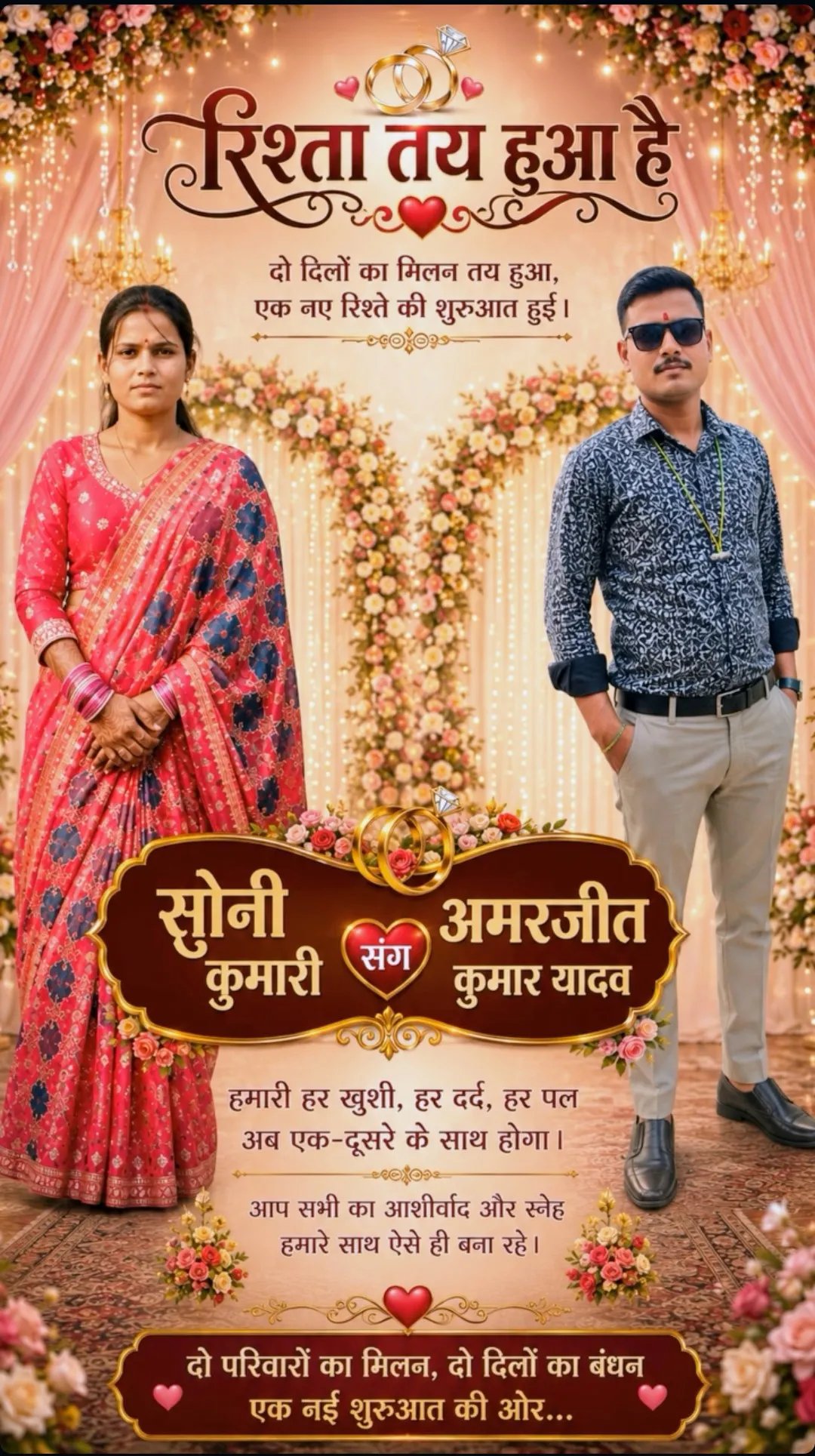
Indian Wedding Invitation Card
"एक भव्य भारतीय डिजिटल वेडिंग इनविटेशन कार्ड (Digital Wedding Invitation Card)। बैकग्राउंड में हल्के गुलाबी और सुनहरे रंग के पर्दे
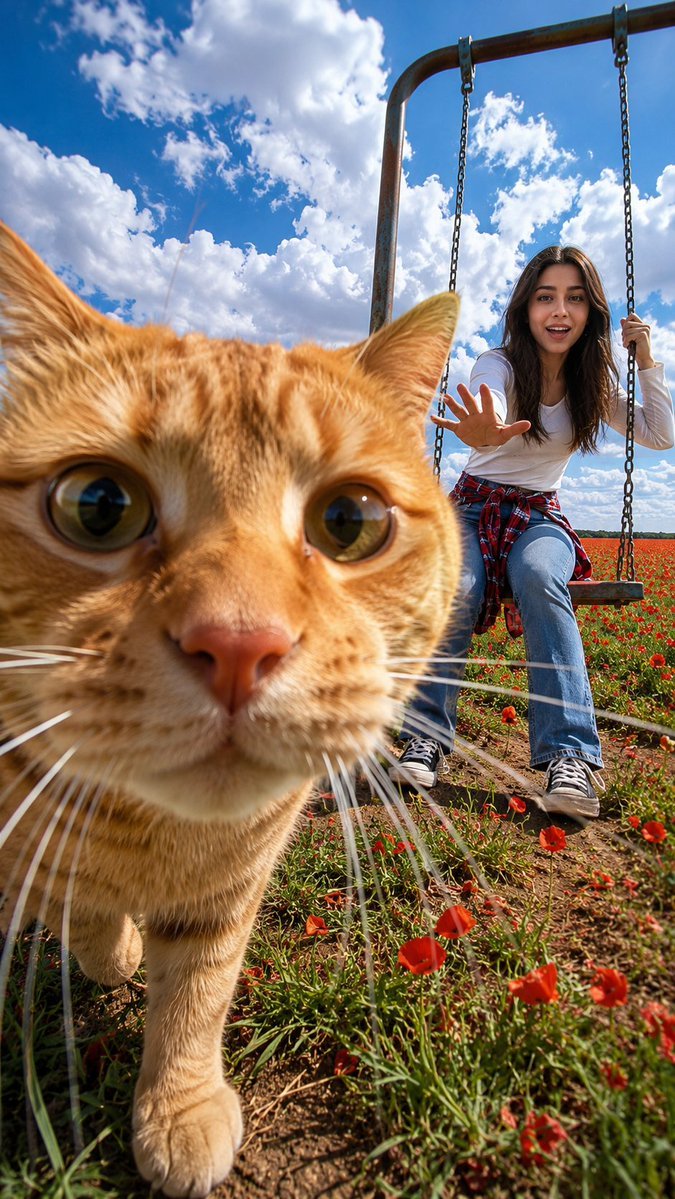
Cat Ruins Photo
GPT Image 2 on ChatGPT Prompt: Use the uploaded reference image as the primary facial reference.