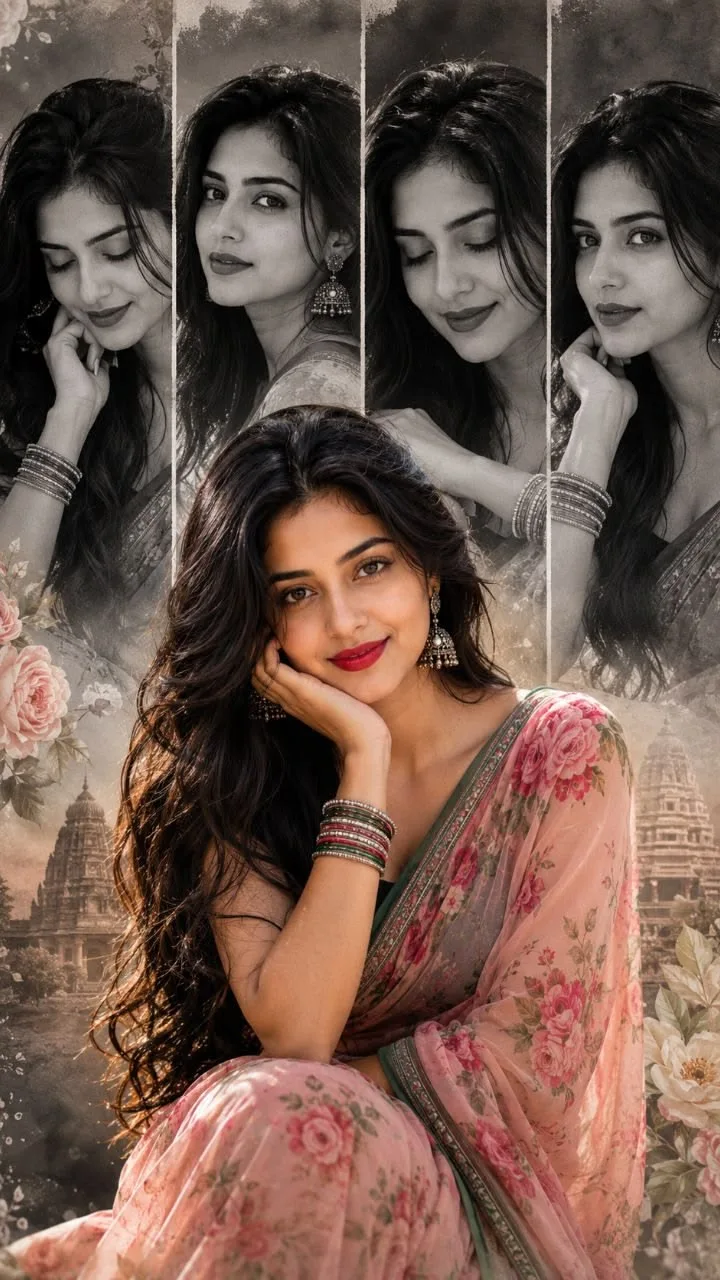
Vintage Floral Portrait Collage Wallpaper
Quelle: @rehman
Dieser Prompt erzeugt: Vintage Floral Portrait Collage Wallpaper.
Geeignetes Modell: ChatGPT.
Aus dem Prompt lässt sich festhalten: three-quarter.
Eine Variable, die du ändern kannst: Fotorealistisch look.
So verwendest du diesen Prompt
- Modell: ChatGPT.
- Motiv: Vintage Floral Portrait Collage Wallpaper.
- Variable ändern: Fotorealistisch look.
0 Aufrufe · 0 Kopien · 0 Favoriten · 0 Diskussionen
0Prompt
Heute noch 1 von 1 kostenlosen Kopien
Use the uploaded user photo as the **ONLY identity reference** for the main subject. Preserve the user's exact recognizable identity with maximum fidelity: facial structure, face shape, forehead, eyebrows, natural eye shape and spacing, nose, lips, mouth structure, jawline, cheekbones, chin, skin tone, natural skin texture, hairline, hair characteristics, facial hair if present, and all distinctive facial features. **Do not copy the identity of the reference subject. Do not beautify, reshape, slim, age, de-age, feminize, masculinize, or otherwise redesign the user's face. The user's gender and identity must remain unchanged.** Treat the user photo strictly as “WHO the person is”; use the reference image only for “HOW the person appears in the scene.”
Recreate the reference as a vertically oriented, highly detailed **cinematic editorial portrait collage / smartphone wallpaper**, approximately **9:16 aspect ratio**. The composition features one large full-color foreground portrait of the user occupying the lower two-thirds of the frame, combined with **four tall monochrome photographic portrait panels** of the same user arranged across the upper background. The overall aesthetic is romantic, vintage, elegant, nostalgic, Indian fashion-editorial photography with a softly aged photographic texture.
**Foreground subject:** Place the user seated in a graceful three-quarter pose in the lower center of the composition. The upper body is turned slightly toward the camera while the head faces mostly forward. The subject rests the left side of the face gently against the raised left hand, with the palm supporting the cheek and fingers naturally curving upward along the side of the face. The elbow/forearm rests naturally downward. The posture is relaxed, elegant, intimate, and contemplative. The lower body is seated with one knee/leg prominently visible in the foreground, creating a soft diagonal flow through the lower-left portion of the image. Preserve realistic anatomy, natural hands and fingers, believable joints, and relaxed shoulders.
**Foreground expression and gaze:** Reconstruct the expression from the reference rather than the user's source photo. The expression is calm, serene, subtly romantic and confident, with a gentle closed-mouth smile and relaxed lips. The eyes are open and directed **straight toward the camera/viewer**, creating direct but soft eye contact. Eyebrows remain naturally relaxed. Head is held slightly tilted toward the supporting hand. Do not transfer the user's original expression, gaze, or head pose.
**Foreground styling:** Dress the subject in an elegant, flowing **soft blush-pink floral saree** with delicate rose and botanical prints. The saree has a subtle darker green/gray decorative border and is draped naturally over the shoulder and across the body, with realistic folds, translucent fabric layering, and fine textile detail. Add traditional dangling **jhumka earrings** and multiple stacked glass/metal bangles on the wrists, coordinated with the saree. Keep accessories natural and proportional. If the user's identity is male or otherwise differs from the reference, preserve the user's identity and gender while translating the reference styling into a visually coherent version without changing who the person is.
**Hair:** Recreate the reference's overall hairstyle: long, voluminous, dark hair flowing naturally over and around the shoulders, with loose soft waves and a slightly tousled romantic texture. Adapt the hairstyle naturally to the user's own hair characteristics while preserving their recognizable hairline and identity.
**Background collage:** Behind the foreground subject, create **four narrow vertical portrait panels**, separated by thin irregular aged-paper/film borders. Each panel contains a monochrome/sepia-black-and-white portrait of the same user, maintaining the user's exact identity but using different expressions and poses matching the reference sequence. Panel 1 on the far left: close portrait with head tilted downward, eyes lowered/closed, a soft introspective expression, one hand gently touching the cheek/chin, long hair framing the face. Panel 2: three-quarter close portrait facing slightly toward the camera, eyes looking directly toward the viewer, calm neutral expression, visible dangling jhumka earring and traditional styling. Panel 3: close portrait with head slightly lowered and turned, eyes gently closed/downcast, faint peaceful smile, hand/arm softly entering the lower portion of the frame. Panel 4 on the far right: three-quarter portrait looking toward the camera with a calm, composed expression, one hand supporting the cheek/jaw, traditional bangles and earring visible. **Every monochrome panel must retain the user's exact facial identity**, while their individual gaze, expression, head angle, and pose follow the corresponding reference panel.
The four upper portraits should appear slightly faded, grainy, softly textured, and partially blended into an aged photographic background. Use thin distressed vertical borders between panels, subtle scratches, paper texture, faded edges, gentle film grain, and a vintage archival-photo feel. The monochrome portraits should be predominantly warm gray/sepia-black rather than harsh pure black-and-white.
**Environment/background:** Build a dreamy vintage Indian architectural atmosphere behind the subject. Include a softly blurred historic temple/heritage-city skyline near the bottom background, with faint stone architecture, domes/towers and ornamental structures emerging through atmospheric haze. Surround portions of the lower edges and sides with delicate pale pink/cream flowers and botanical foliage, especially rose-like blossoms, creating a romantic floral frame without obscuring the subject.
**Lighting:** Use soft cinematic natural light on the foreground subject, with gentle warm highlights across the face and shoulders, subtle directional illumination, delicate shadows, realistic skin texture, and a mild golden glow. The background monochrome portraits should have softer, flatter vintage lighting with gentle contrast. Add subtle atmospheric haze and controlled bloom around highlights. Avoid plastic skin, excessive HDR, artificial sharpening, or overly glossy beauty-retouching.
**Camera/composition:** Vertical 9:16 wallpaper composition, medium-full portrait for the foreground subject, camera approximately at eye level with a slightly compressed portrait perspective resembling a **50mm–85mm lens**. Keep the foreground face highly detailed and visually dominant while allowing the four upper portrait strips to remain clearly readable. Use layered depth: sharp foreground subject, softly blurred architectural background, and slightly faded collage portraits. Maintain the exact visual hierarchy, proportions, cropping, panel spacing, and vertical arrangement of the reference.
**Color and finishing:** Foreground uses muted blush pink, dusty rose, warm beige, soft green-gray and natural skin tones; upper portraits remain monochrome/sepia. Apply subtle Kodak-style analog film character, fine grain, gentle halation, slightly faded blacks, soft contrast, mild vignette, delicate paper texture, and cinematic tonal separation. The final image should feel like a premium vintage Indian fashion photograph merged with an artistic multi-exposure portrait collage.
**CRITICAL PRIORITY:** User photo = exact identity only. Reference image = expression, emotion, gaze, head position, body pose, clothing concept, accessories, collage structure, composition, environment, lighting and visual style. Never allow the user's source-photo expression, gaze, pose, or head angle to override the reference. Never substitute the reference person's face for the user's face. Preserve realistic anatomy, natural hands, correct fingers, consistent identity across every portrait panel, coherent lighting, accurate fabric folds, and photorealistic facial detail. Final result must unmistakably look like the user placed into the exact visual concept and composition of the reference image.
Ähnliche Prompts
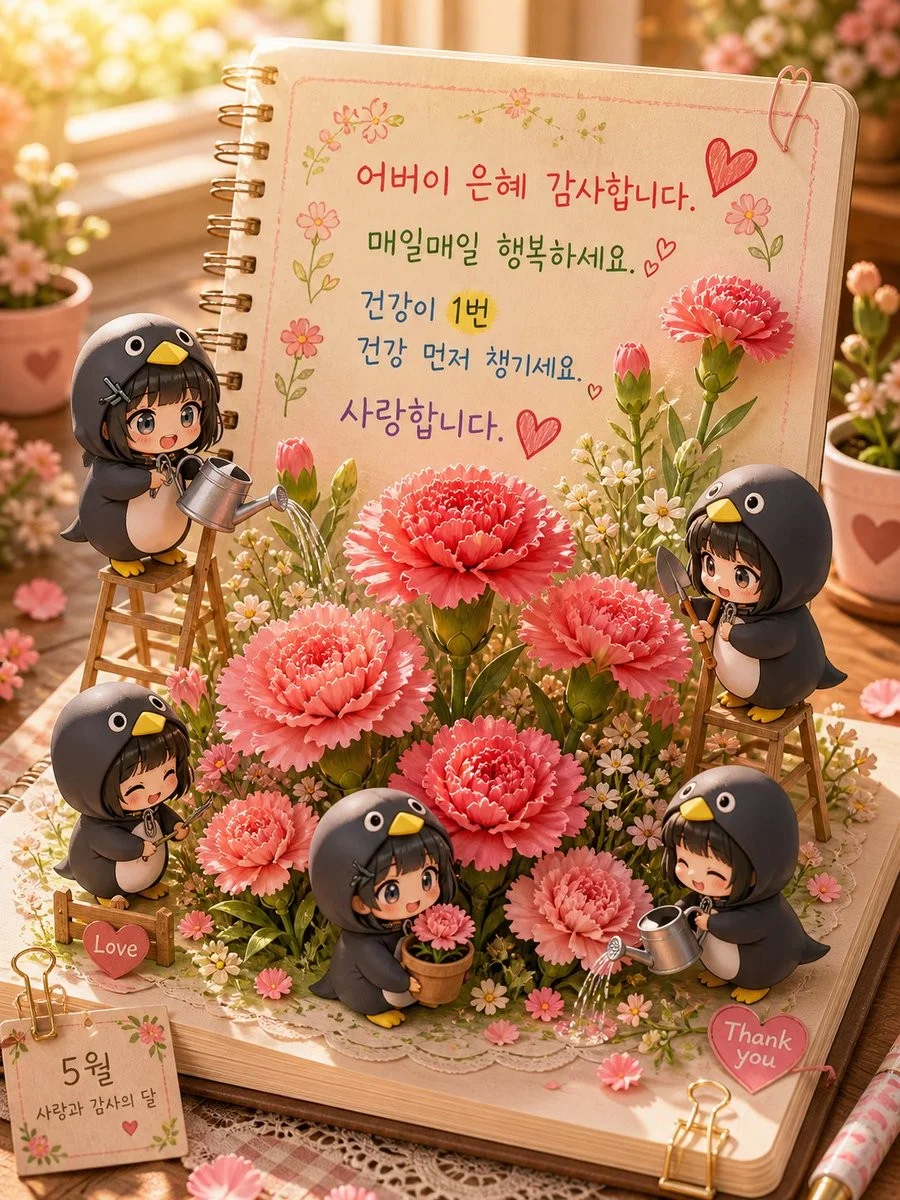
3D Pop-up Parents Day Card
3D 노트 위 꽃이 입체적으로 피어나는 장면, 첨부된 사진의 미니 캐릭터들이 물주고 가꾸는 모습, {argument name="날씨" default="따뜻한 5월 햇살"}, 캐리커처 스타일, 밝고 사랑스러운 분위기, 실제 꽃처럼 디테일하게,
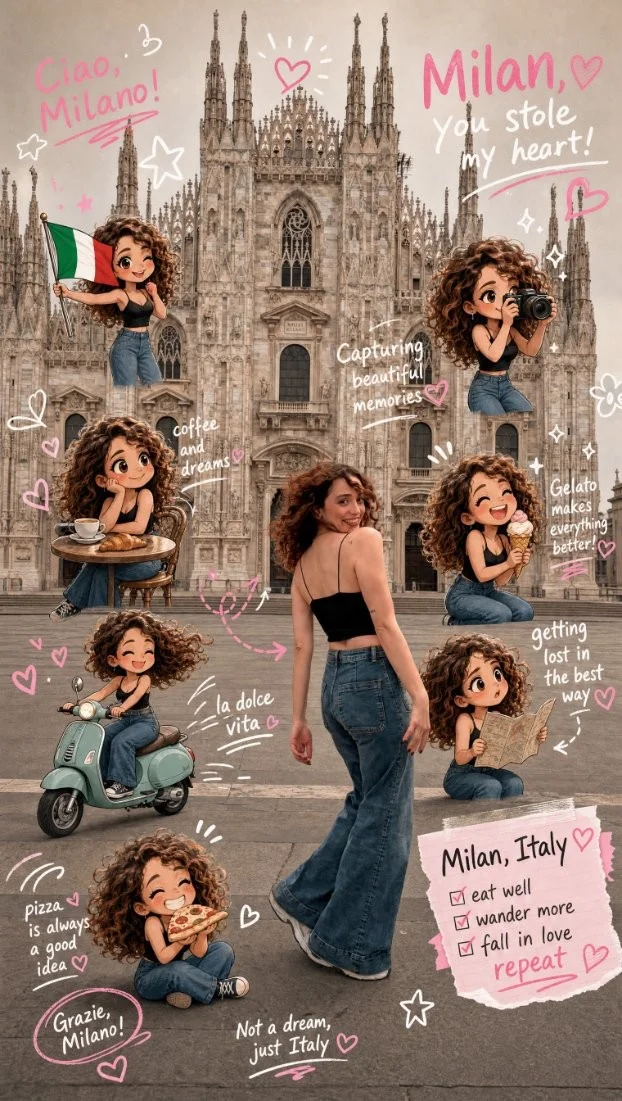
Chibi Scrapbook Photo Transformation
remove the people around the main character, Add multiple small, cute chibi-style “mini versions” of her around the image.
AI Photo Generation Guide
1. Open Gemini / Grok / GPT Image 2.0 2. Upload your photo 3. Copy the prompt 4. Generate 5. Prompt ⤵️ https://t.co/ufvHABxbuM
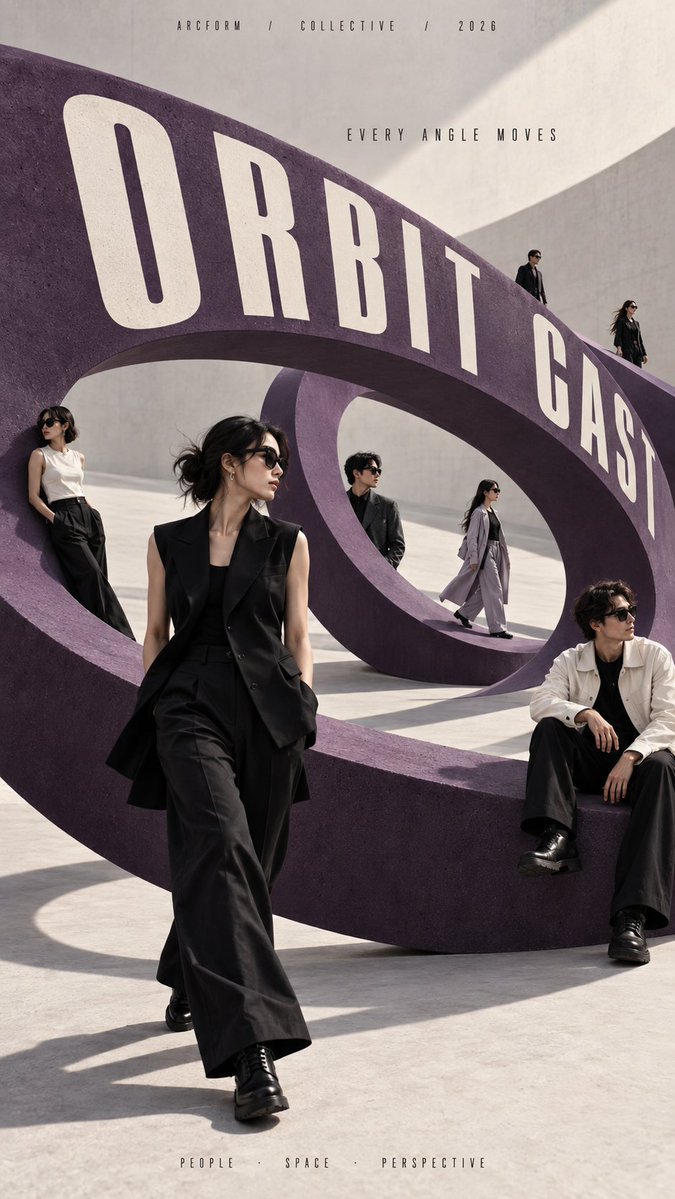
Depth in Image Generation
🤯 Images 2.5 is so good at building depth!
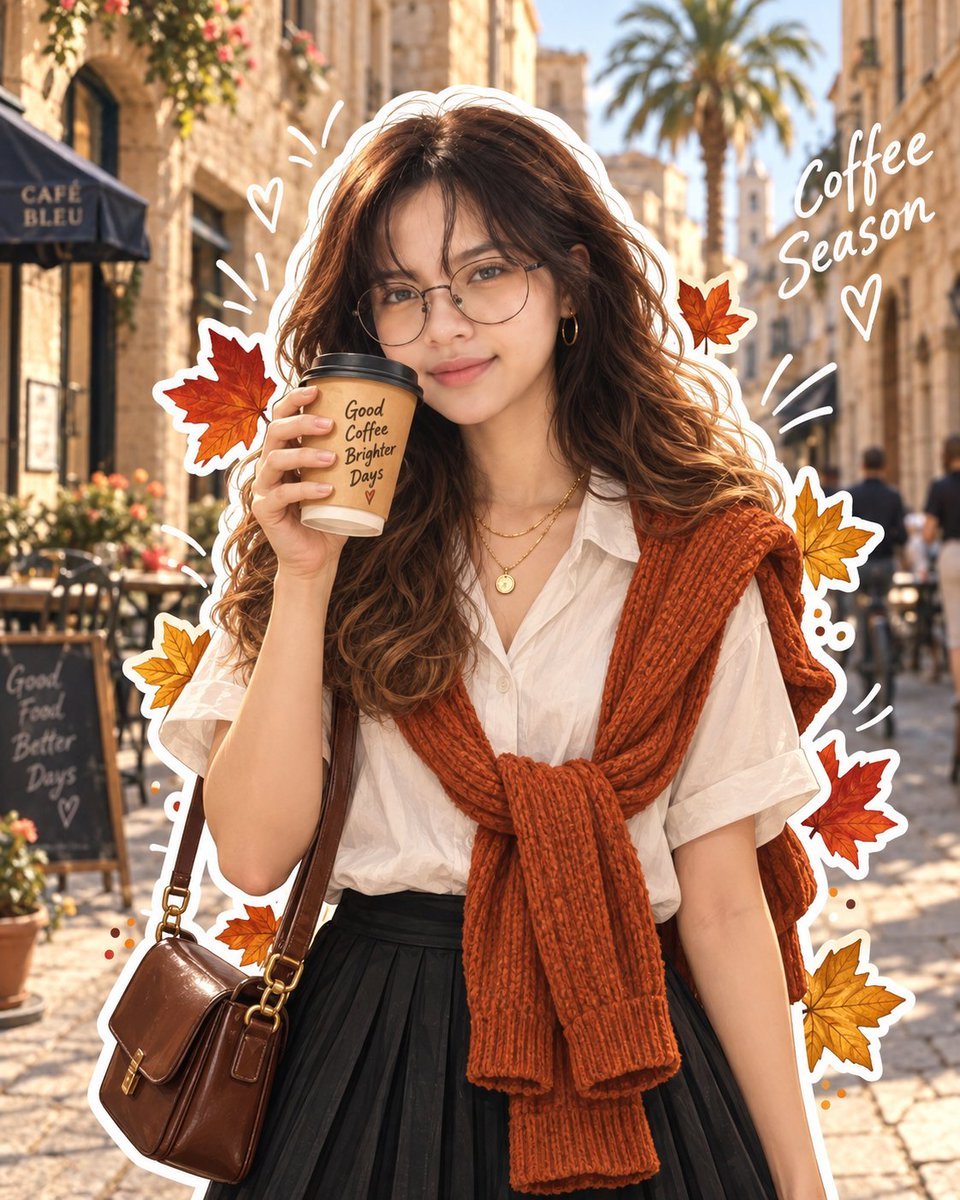
AI Sticker-Cutout Photo Effect
How to get this viral sticker-cutout photo effect with AI GPT image 2 on chatgpt Prompt👇 https://t.co/Re6oPaU3zv
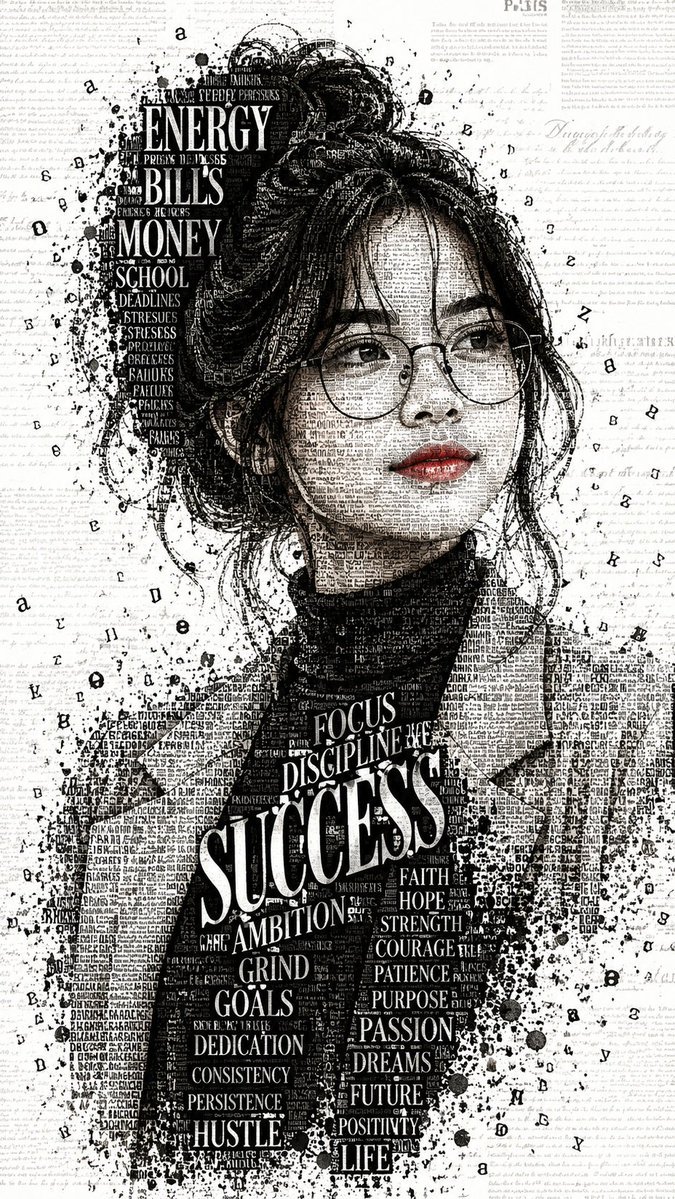
Photo made of words
Your photo, but made entirely from words 🤯👇 ① Open Gemini / Grok / GPT Image 2.0 ② Add your photo ③ Paste the prompt ④ Generate.
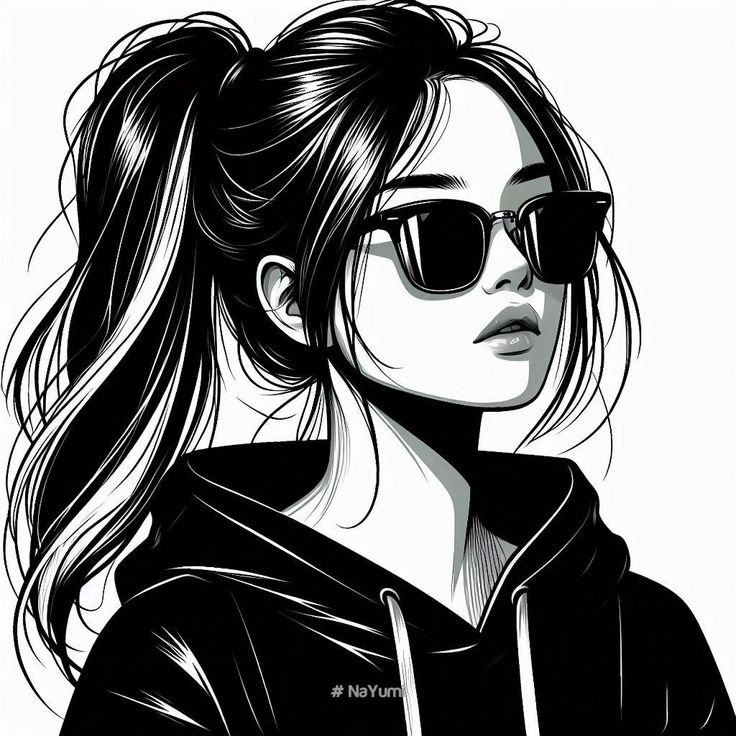
Photo to Hand-Drawn Art
Turn your photo into a hand-drawn masterpiece ✍️🖤 ① Upload your photo ② Copy this prompt ③ Generate ④ Done.
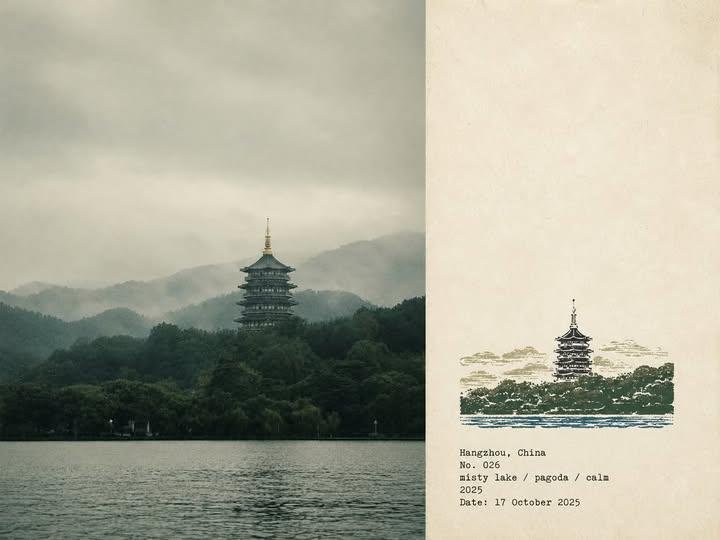
Rubber Stamp Travel Field Notes Poster
GPT image 2 on chatgpt Prompt👇 Please create a separate "Rubber Stamp Travel Field Notes Poster" for each photo I upload, outputting each
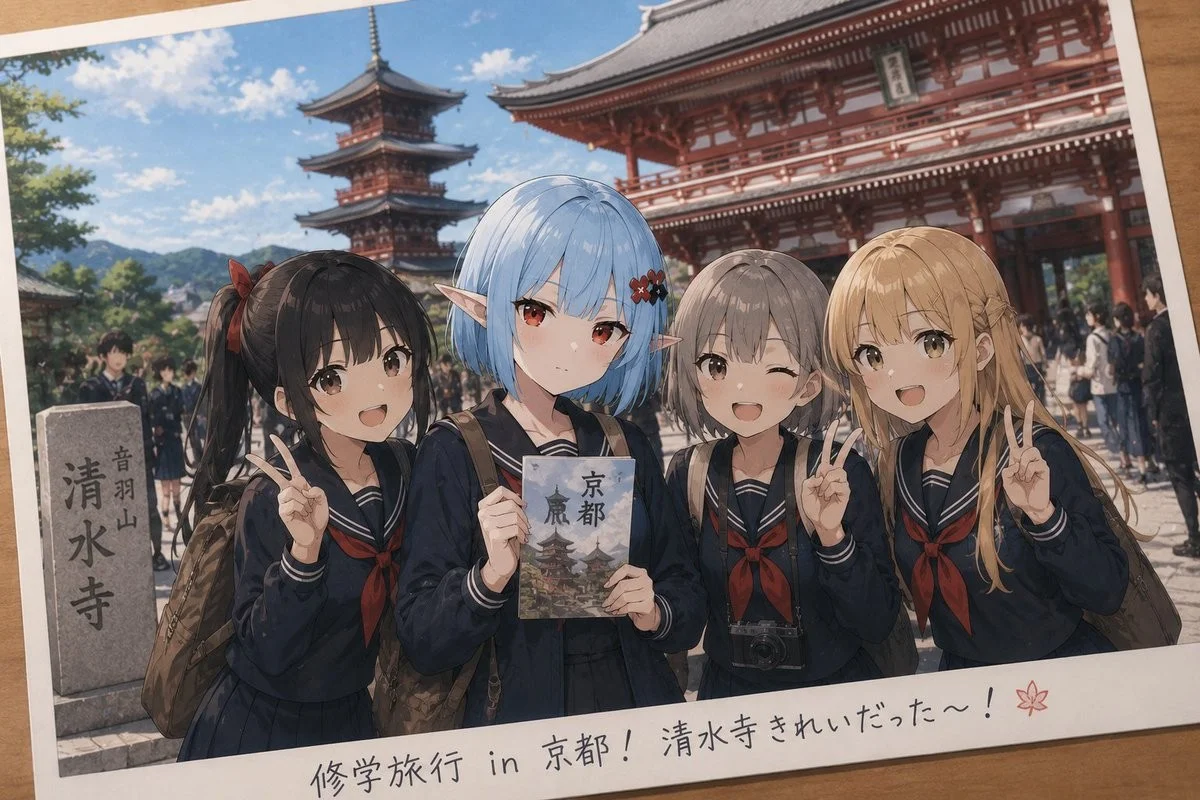
Event Photo Synthesis Illustration
Generate a single illustration based on the school trip photos.
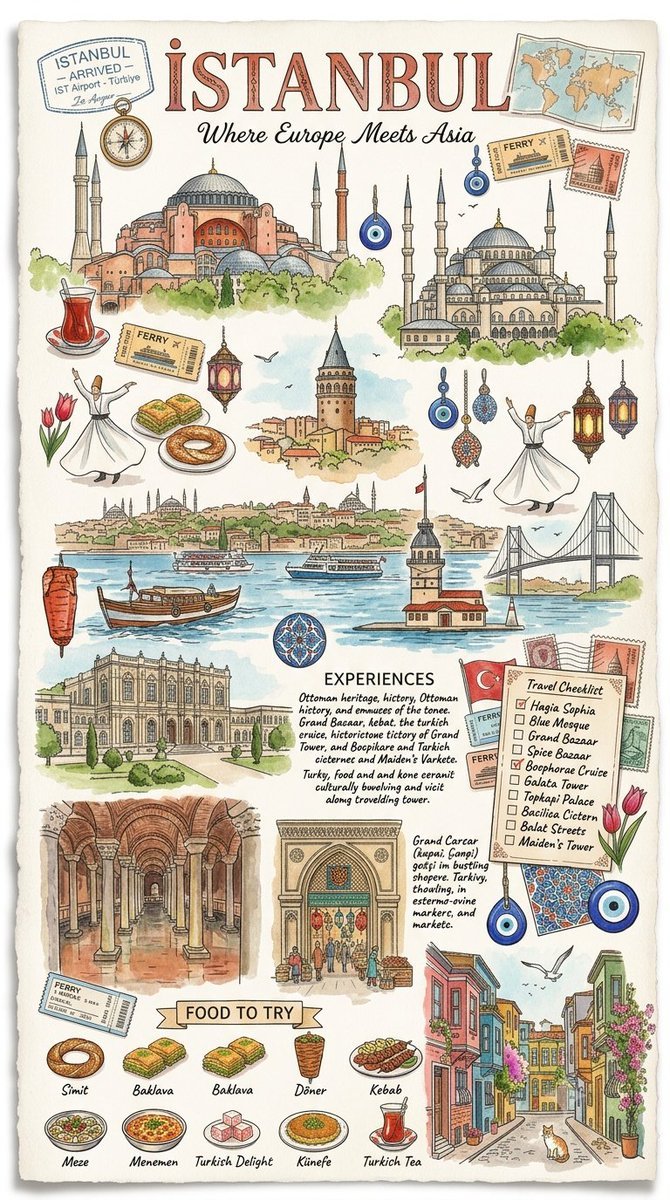
Istanbul Travel Journal Collage
Image created on Gpt 2 Prompt: Ultra-realistic hand-painted watercolor travel collage with soft ink outlines, vintage travel journal
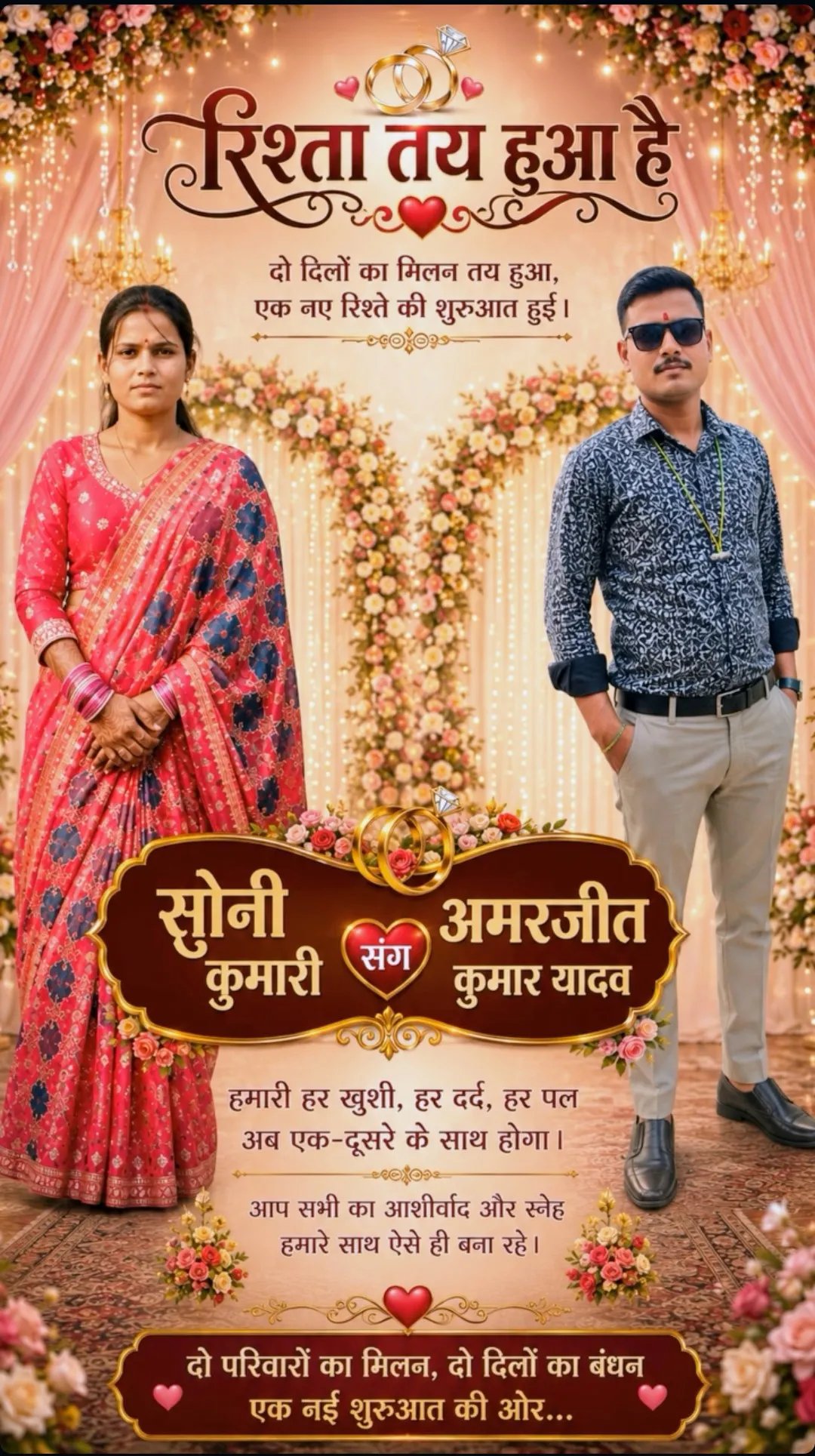
Indian Wedding Invitation Card
"एक भव्य भारतीय डिजिटल वेडिंग इनविटेशन कार्ड (Digital Wedding Invitation Card)। बैकग्राउंड में हल्के गुलाबी और सुनहरे रंग के पर्दे
Cat Ruins Photo
GPT Image 2 on ChatGPT Prompt: Use the uploaded reference image as the primary facial reference.