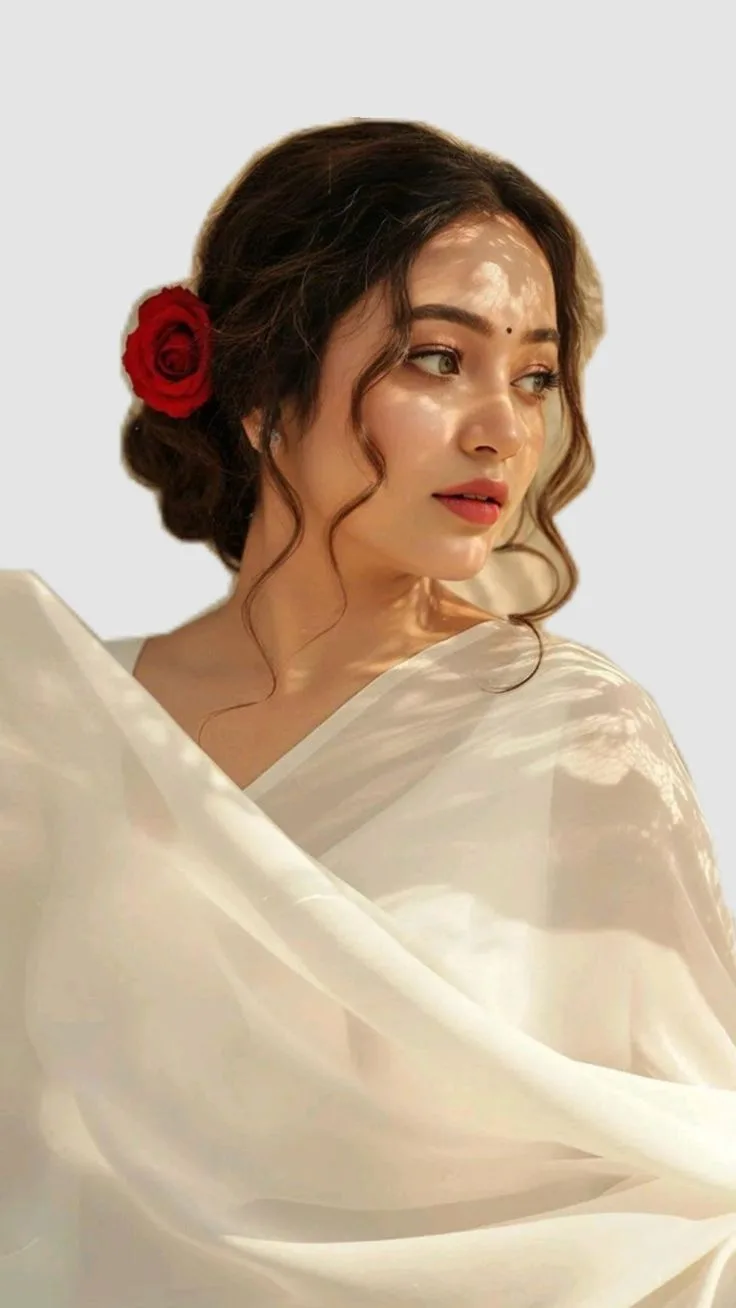
Ethereal Ivory Portrait
来源: @rehman
这条提示词生成的画面:Ethereal Ivory Portrait。
适用模型:ChatGPT。
可以从提示词确定的画面信息:three-quarter。
可以改的一个变量:写实 look。
如何使用这条提示词
- 适用模型:ChatGPT。
- 画面主体:Ethereal Ivory Portrait。
- 改一个变量:写实 look。
0 浏览 · 0 复制 · 0 收藏 · 0 讨论
0提示词
今日剩余 1 / 1 次免费复制
Use the uploaded user photo as the **ONLY identity reference** for the human subject. Preserve the user's exact recognizable identity with maximum fidelity: facial structure, face shape, forehead, eyebrows, natural eye shape and spacing, nose, lips, mouth structure, jawline, cheekbones, chin, skin tone, natural skin texture, hairline, hair characteristics, facial hair if present, and every distinctive facial feature. **Do not copy the identity of the woman in the reference image. Do not replace, redesign, beautify, slim, age, de-age, feminize, masculinize, or otherwise reinterpret the user's face.** The user's uploaded face must remain unmistakably the same person. The reference image controls everything except identity: transfer its composition, pose, expression, gaze, head position, styling, lighting, environment, camera perspective, and photographic aesthetic onto the user's identity. Create a highly realistic vertical editorial portrait matching the reference composition. Frame the subject from approximately the upper torso/chest upward, with the body positioned slightly toward the camera while the head is turned distinctly toward the **right side of the frame**, creating an elegant three-quarter profile. The head is held upright with a subtle natural tilt, neck relaxed, shoulders softly angled, and posture graceful and composed. Reproduce the reference facial behavior precisely: a calm, contemplative, slightly wistful expression with relaxed facial muscles, softly parted lips, no smile, and a serene introspective mood. The eyes must look distinctly toward the **right side of the frame**, away from the camera, with the gaze slightly off into the distance. Preserve natural eyelid openness and the subtle focused look of the reference. The user's original expression, gaze direction, and head angle must NOT influence the result; use the reference image only for expression, gaze, and pose while retaining the user's identity. Recreate the reference's elegant white traditional draped clothing: a lightweight, flowing ivory-white fabric wrapped naturally around the upper body and shoulders, with broad soft folds and translucent layered areas. The fabric should feel delicate, airy, luxurious, and naturally draped rather than stiff. Maintain realistic textile weave, subtle translucency, fine creases, overlapping folds, and soft volume. The clothing should occupy a large portion of the lower frame, sweeping diagonally across the foreground and creating an organic sculptural shape. Adapt the garment to the user's gender and anatomy without changing their identity, while preserving the same visual silhouette, white color palette, flowing fabric behavior, and elegant styling. If appropriate to the user's appearance, reproduce the reference's loosely gathered/upstyled hair with naturally separated strands and a soft, slightly undone editorial finish, but **never alter the user's fundamental hairline, texture, length, or identity-defining characteristics** merely to imitate the reference person. A small deep-red rose may be incorporated naturally into the hairstyle at the rear/side of the head if compatible with the user's appearance, matching the reference's placement and visual prominence. Set the scene against an extremely clean, minimal pale warm-gray/off-white background with no distracting objects, architecture, patterns, or scenery. The background should appear smooth and softly illuminated, allowing the subject and white garment to dominate the composition. Recreate the distinctive dappled sunlight pattern from the reference: warm natural sunlight passing through delicate leaves or foliage outside the frame, creating irregular organic patches of light and shadow across the forehead, cheek, neck, shoulder, and white fabric. The highlights should look naturally projected rather than digitally painted, with subtle variations in intensity and soft edges. Use warm golden sunlight balanced with gentle ambient fill, producing luminous skin, delicate highlights, soft shadows, and a refined romantic atmosphere. Preserve realistic skin texture and pores; avoid plastic skin or excessive airbrushing. Camera perspective should resemble a professional fashion/editorial portrait photographed at approximately eye level, using a moderately long portrait lens around 70–100mm, with natural perspective and minimal distortion. Use a shallow but controlled depth of field: the user's face and eyes must be extremely sharp while the background falls into a smooth, unobtrusive blur. Maintain realistic optical falloff, subtle lens softness, natural highlight roll-off, and premium photographic detail. Composition should closely match the reference: head positioned in the upper-middle/right portion of the frame, substantial flowing white fabric filling the lower half, ample negative space around the head, and the subject cropped vertically in a portrait-oriented composition. Preserve the same visual balance, scale, camera distance, head-to-frame ratio, and negative-space relationships. Use a vertical **9:16 aspect ratio** suitable for a premium portrait/editorial social-media image. Photorealistic, cinematic natural-light photography, high dynamic range, realistic skin, fine individual hair strands, detailed fabric fibers, subtle warm film character, soft highlight bloom, gentle tonal transitions, refined contrast, natural color grading, elegant luxury editorial aesthetic, intimate and poetic atmosphere, extremely high detail, realistic anatomy and proportions. Avoid artificial beauty filters, excessive makeup, face reshaping, identity drift, exaggerated eyes, altered nose or lips, waxy skin, over-sharpening, CGI appearance, cartoon styling, glamour retouching, incorrect gaze, direct eye contact, smiling, dramatic background elements, harsh studio lighting, distorted hands or anatomy, duplicate features, or any visual element that competes with the subject. **Final priority: USER PHOTO = exact identity; REFERENCE IMAGE = expression, emotion, gaze, head pose, body pose, clothing concept, composition, lighting, environment, camera perspective, and overall visual style.**
相似提示词
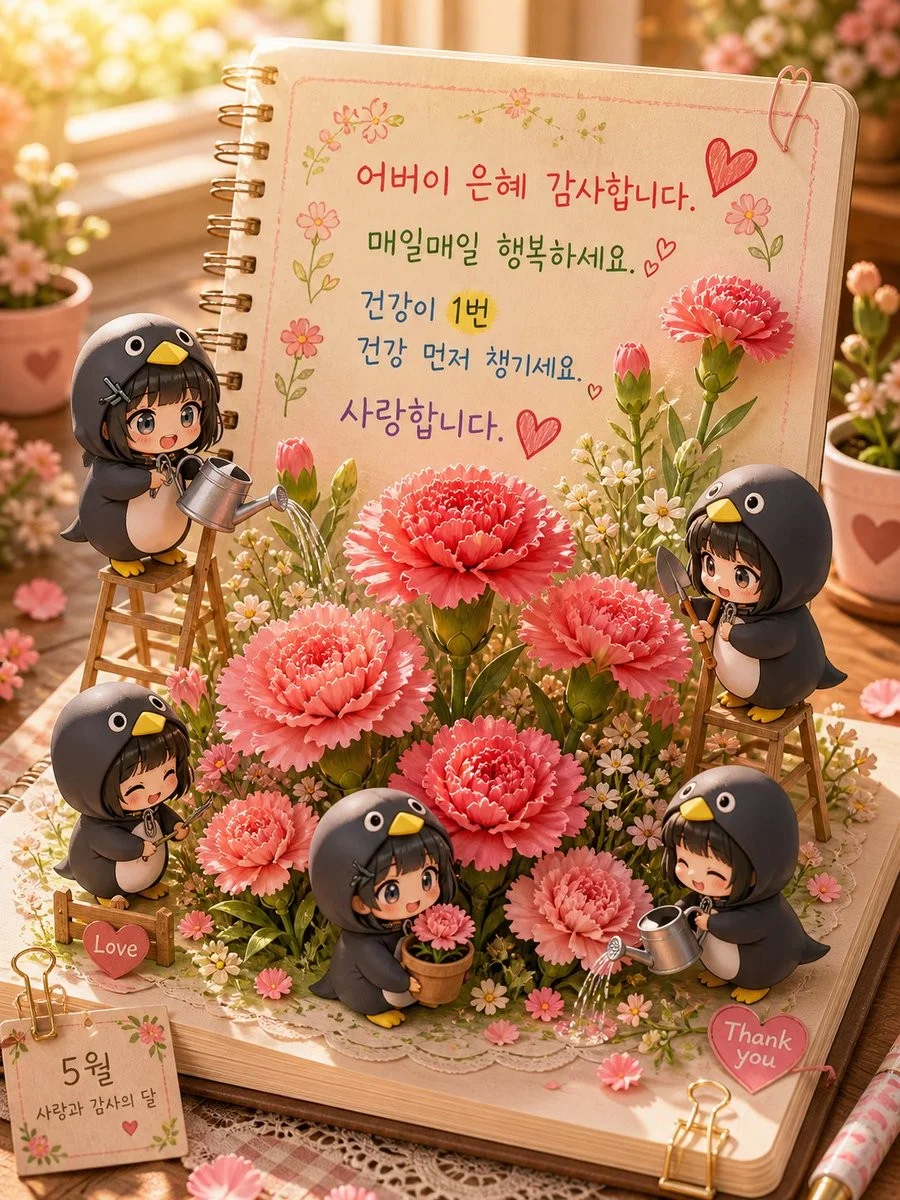
3D Pop-up Parents Day Card
3D 노트 위 꽃이 입체적으로 피어나는 장면, 첨부된 사진의 미니 캐릭터들이 물주고 가꾸는 모습, {argument name="날씨" default="따뜻한 5월 햇살"}, 캐리커처 스타일, 밝고 사랑스러운 분위기, 실제 꽃처럼 디테일하게,
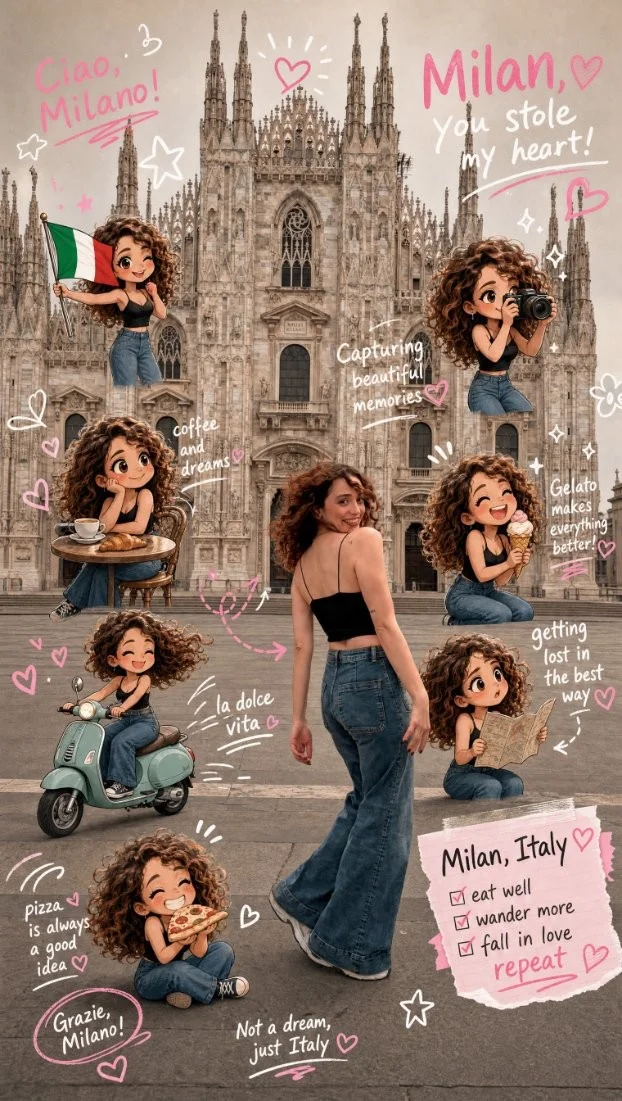
Chibi Scrapbook Photo Transformation
remove the people around the main character, Add multiple small, cute chibi-style “mini versions” of her around the image.
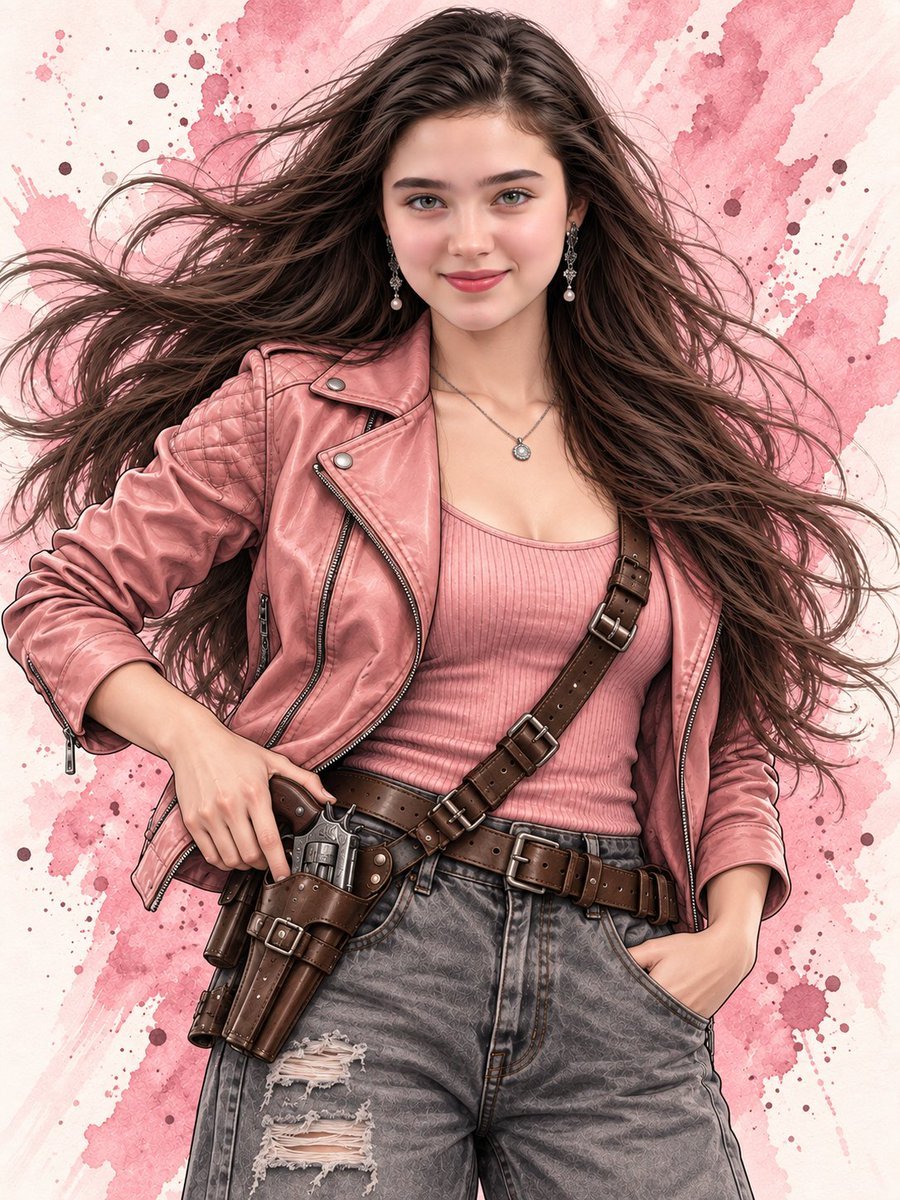
AI Photo Generation Guide
1. Open Gemini / Grok / GPT Image 2.0 2. Upload your photo 3. Copy the prompt 4. Generate 5. Prompt ⤵️ https://t.co/ufvHABxbuM
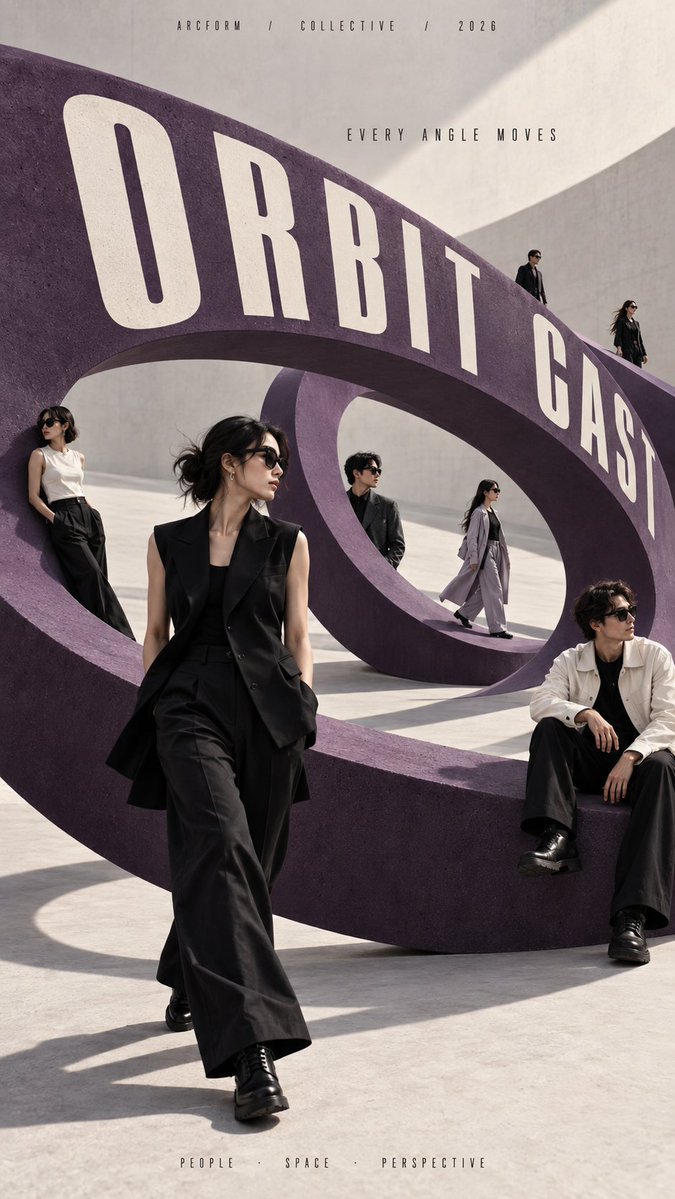
Depth in Image Generation
🤯 Images 2.5 is so good at building depth!
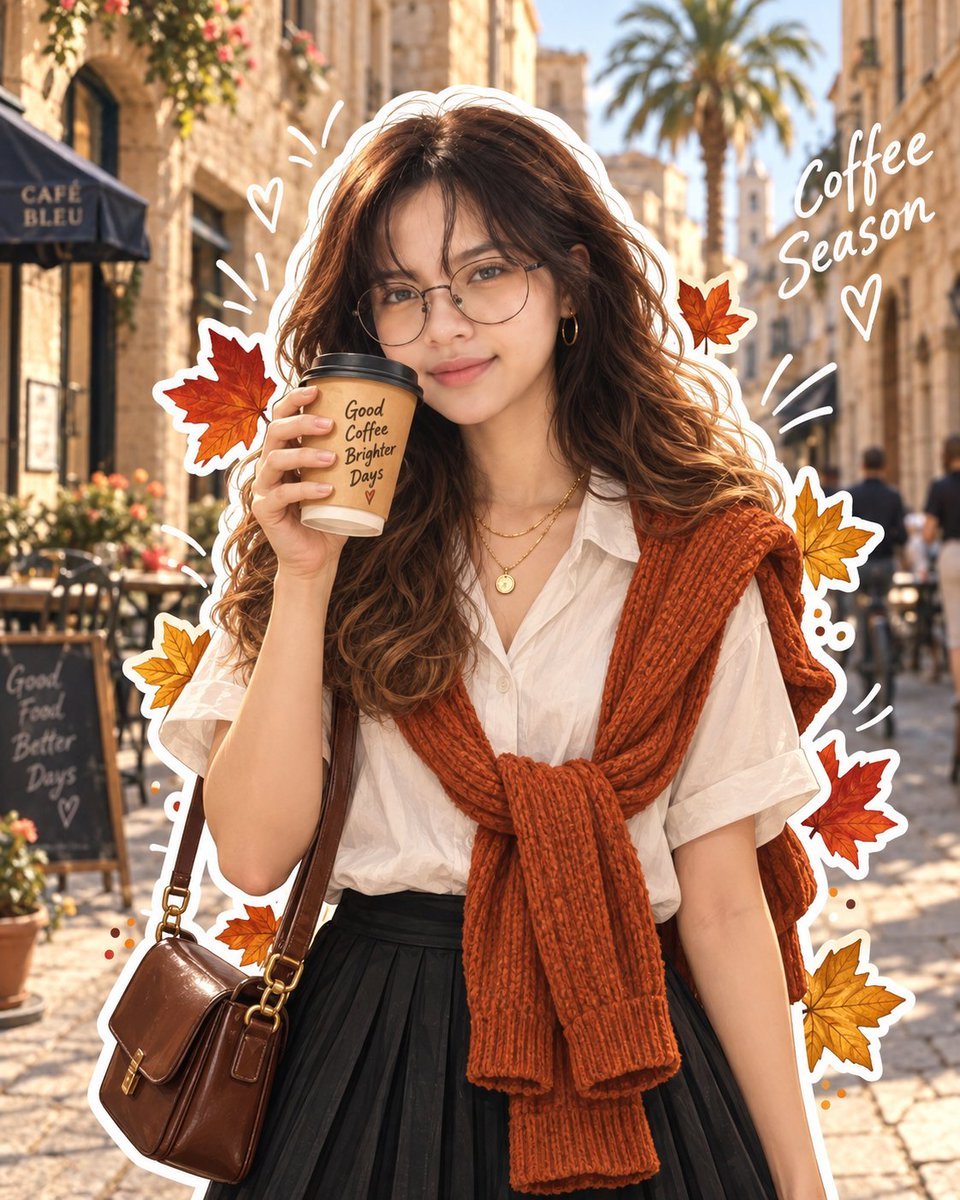
AI Sticker-Cutout Photo Effect
How to get this viral sticker-cutout photo effect with AI GPT image 2 on chatgpt Prompt👇 https://t.co/Re6oPaU3zv
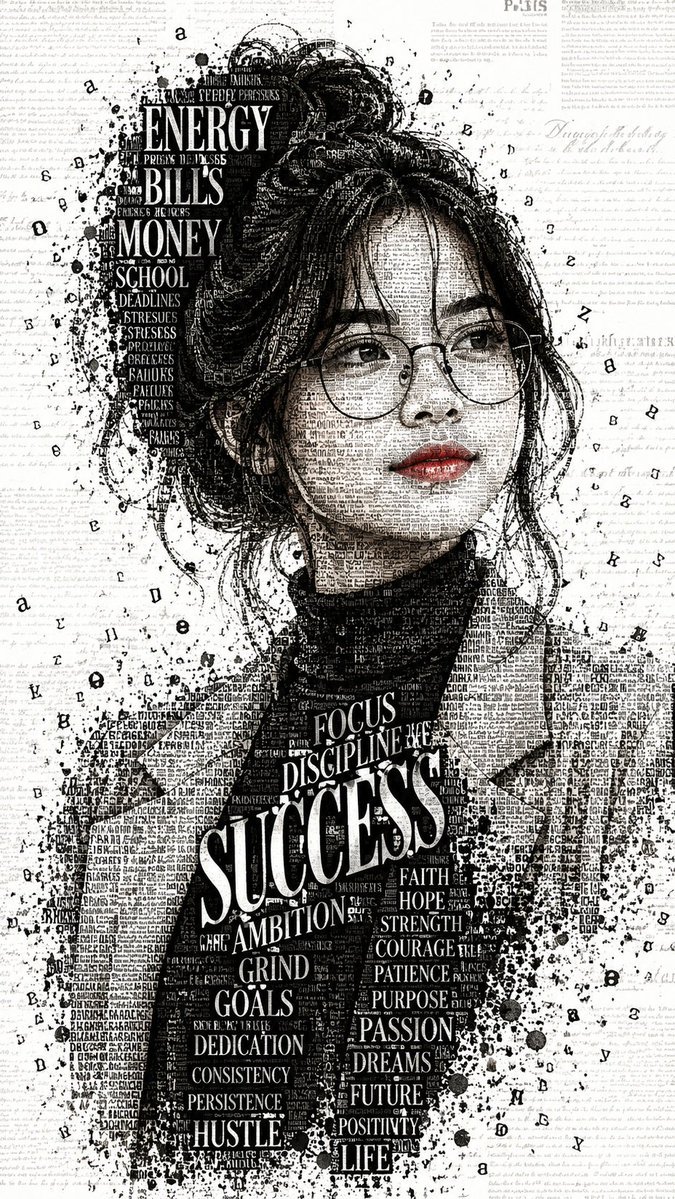
Photo made of words
Your photo, but made entirely from words 🤯👇 ① Open Gemini / Grok / GPT Image 2.0 ② Add your photo ③ Paste the prompt ④ Generate.
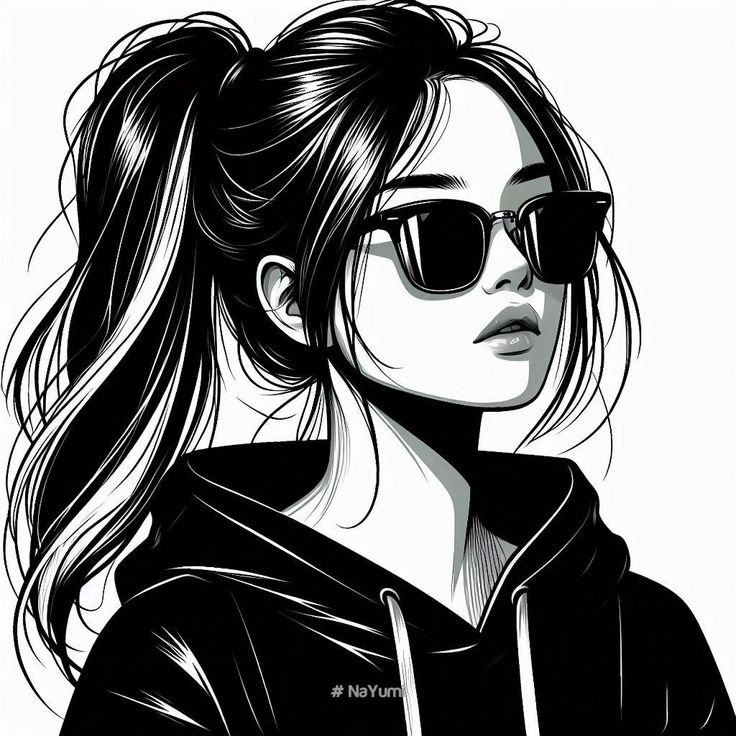
Photo to Hand-Drawn Art
Turn your photo into a hand-drawn masterpiece ✍️🖤 ① Upload your photo ② Copy this prompt ③ Generate ④ Done.
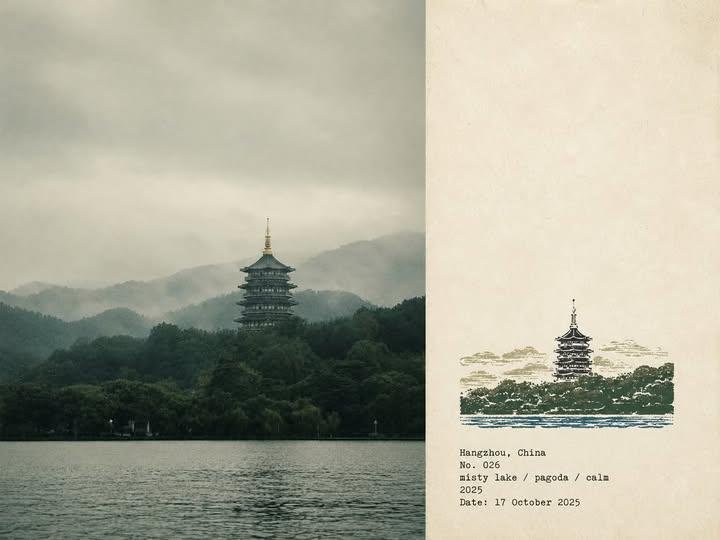
Rubber Stamp Travel Field Notes Poster
GPT image 2 on chatgpt Prompt👇 Please create a separate "Rubber Stamp Travel Field Notes Poster" for each photo I upload, outputting each
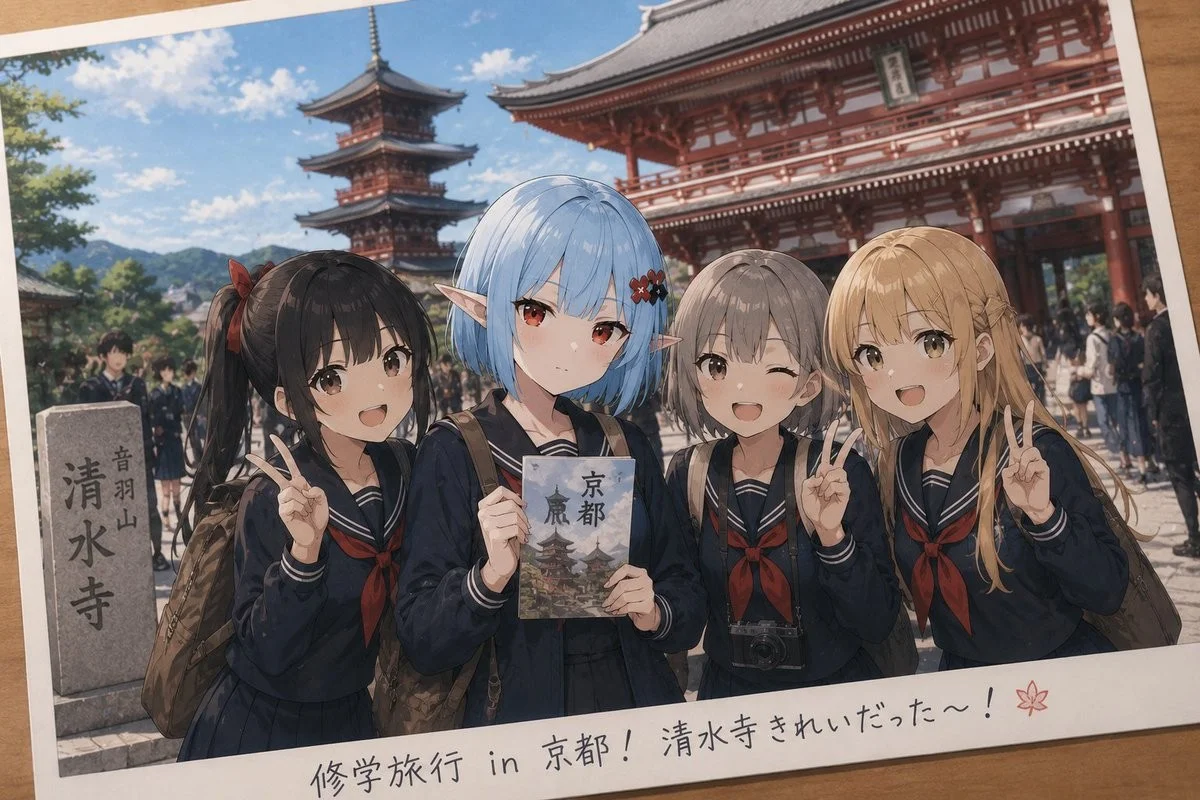
Event Photo Synthesis Illustration
Generate a single illustration based on the school trip photos.
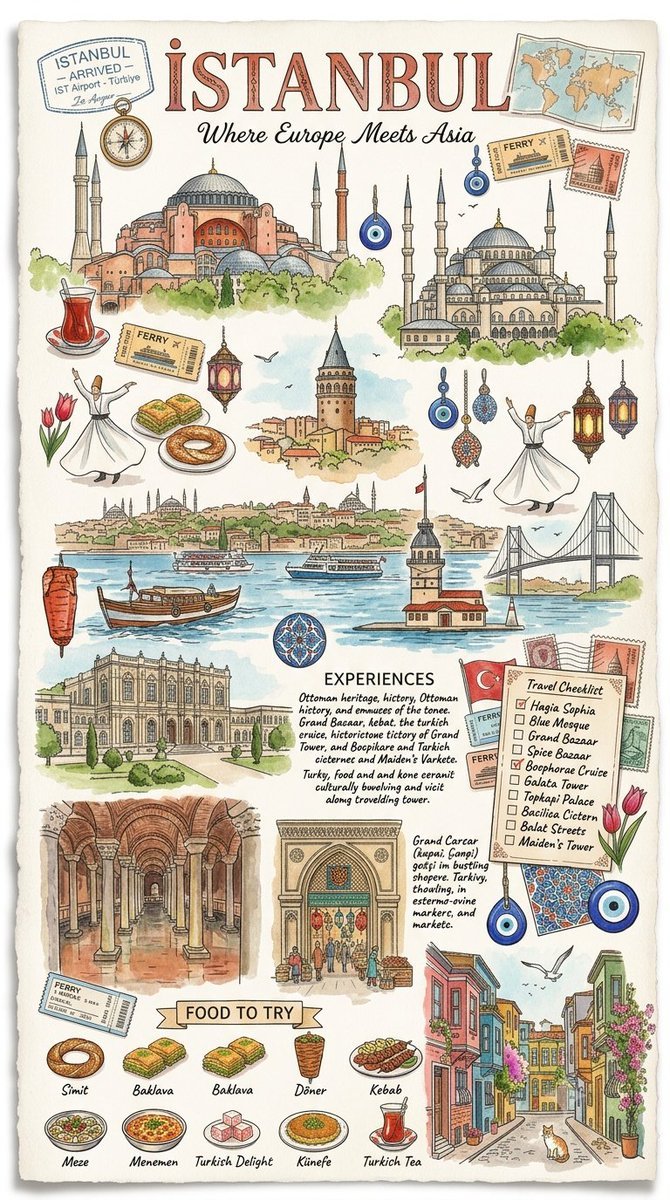
Istanbul Travel Journal Collage
Image created on Gpt 2 Prompt: Ultra-realistic hand-painted watercolor travel collage with soft ink outlines, vintage travel journal
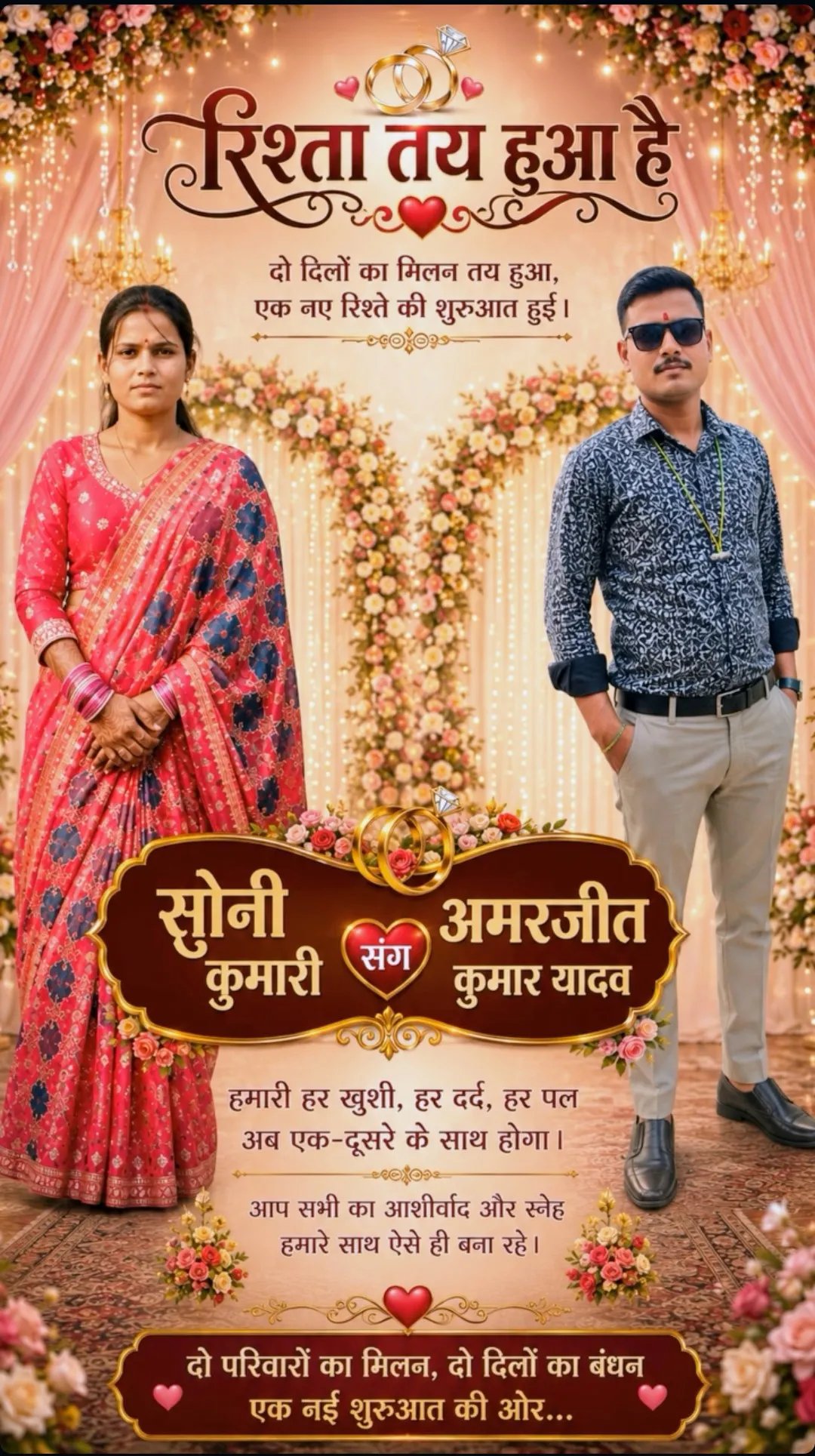
Indian Wedding Invitation Card
"एक भव्य भारतीय डिजिटल वेडिंग इनविटेशन कार्ड (Digital Wedding Invitation Card)। बैकग्राउंड में हल्के गुलाबी और सुनहरे रंग के पर्दे
Cat Ruins Photo
GPT Image 2 on ChatGPT Prompt: Use the uploaded reference image as the primary facial reference.