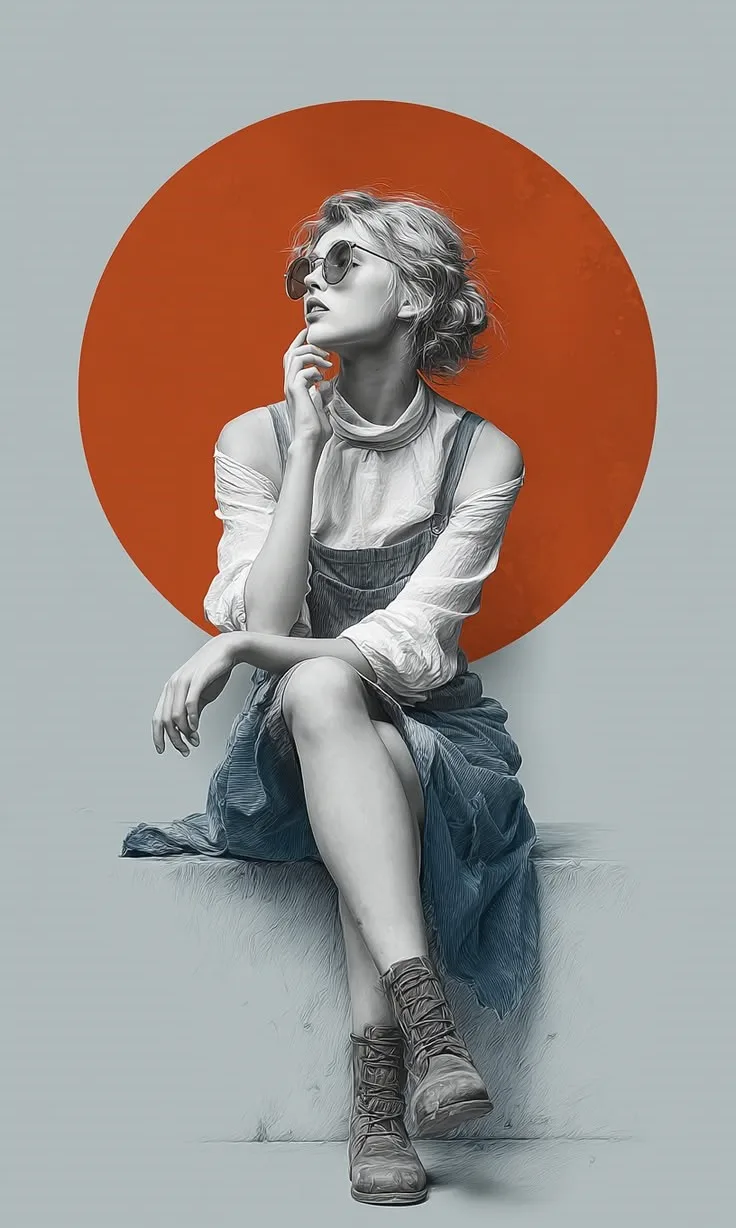
Minimalist Burnt Orange Fashion Illustration
来源: @rehman
这条提示词生成的画面:Minimalist Burnt Orange Fashion Illustration。
适用模型:ChatGPT。
可以从提示词确定的画面信息:50mm。
可以改的一个变量:写实 look。
如何使用这条提示词
- 适用模型:ChatGPT。
- 画面主体:Minimalist Burnt Orange Fashion Illustration。
- 改一个变量:写实 look。
0 浏览 · 0 复制 · 0 收藏 · 0 讨论
0提示词
今日剩余 1 / 1 次免费复制
Use the uploaded user photo as the ONLY and STRICT source of the human subject’s identity. Preserve the exact recognizable identity of the person in the uploaded photo with maximum fidelity: facial structure, facial proportions, face shape, forehead, eyebrows, natural eye shape, nose, lips, mouth structure, jawline, cheekbones, chin, skin tone, natural skin texture, hairline, hairstyle characteristics, facial hair if present, and all distinctive facial features. Do NOT replace the user with the person shown in the reference image. Do NOT copy the reference person’s identity. Do NOT beautify, redesign, slim, reshape, age, de-age, feminize, masculinize, or otherwise reinterpret the user’s face. The final subject must unmistakably remain the same person from the uploaded photo. If the user and reference subject have different genders or appearances, preserve the user’s identity and gender presentation exactly while transferring only the reference scene, pose, expression, styling, and artistic treatment.
Recreate the reference image as an extremely faithful full-body artistic fashion portrait with the uploaded person as the subject. The composition is vertically oriented, approximately 2:3 portrait aspect ratio. Place the subject centrally in the frame, occupying most of the vertical image while leaving a modest amount of clean negative space around the figure. The camera is positioned approximately at seated torso/waist height with a straight-on, slightly elevated-to-eye-level perspective, showing the complete seated figure from head to boots. Use a natural portrait perspective comparable to approximately a 50mm lens, avoiding wide-angle distortion. Keep the body anatomically realistic, proportional, and elegantly integrated into the composition.
Reproduce the exact seated pose from the reference: the subject sits on a simple low rectangular/concrete-like ledge or block, with the torso upright but relaxed. One leg is crossed prominently over the other, with the nearer leg extending downward and forward toward the bottom center of the frame. The forward leg is long and clearly visible, ending in a rugged ankle boot near the lower edge. The other leg bends naturally beneath/behind it. Preserve the exact relationship between the knees, thighs, lower legs, ankles, and feet. Do not invent a standing pose or different sitting position.
Recreate the arm and hand placement precisely. The subject’s left-side arm is raised with the elbow bent, forearm traveling upward alongside the torso, and the hand resting delicately against the chin/jaw area in a thoughtful fashion pose. Fingers should appear naturally separated and gently touching the lower face. The opposite arm crosses downward and rests loosely across the raised leg, with the hand hanging naturally over the knee/thigh area. Preserve the relaxed wrist, natural finger curvature, and elegant asymmetry of both arms. Hands must have realistic anatomy, correct finger count, natural joints, and believable contact with the body.
Match the reference head position and facial behavior. The head is turned noticeably toward the subject’s left side, presented in a three-quarter/near-profile orientation rather than facing the camera. The chin is lifted slightly upward, creating a contemplative, fashion-editorial posture. The eyes look upward and toward the same off-camera direction as the reference, away from the viewer. The gaze must NOT follow the direction of the user’s original photograph. Reconstruct the reference gaze independently. The eyelids should remain naturally open, with a calm, distant, thoughtful look. Reproduce the reference’s quiet, introspective, sophisticated emotional expression: neutral lips with a subtle relaxed mouth, no smile, no exaggerated sadness, no anger, no surprise. Preserve the reference’s eyebrow relaxation and contemplative facial tension while keeping the user’s exact identity.
Dress the user in the same overall clothing design and visual styling as the reference while adapting naturally to the user’s body and identity. Recreate a light, softly textured, off-white long-sleeve blouse with a slightly loose fit, gathered/wrinkled fabric, and an off-shoulder/slightly dropped neckline. Layer it under dark blue-gray denim overalls with broad shoulder straps, a bib-style front, visible seams, subtle vertical fabric texture, and a relaxed skirt-like lower section. The lower garment should drape naturally around the seated legs with layered folds and visible textile texture. Recreate rugged mid-calf lace-up boots in a muted gray-brown tone, with multiple straps/laces, worn leather texture, sturdy soles, and realistic construction. Clothing should conform naturally to the user’s anatomy without changing their body identity.
The hair should preserve the user’s actual hair identity, hairline, texture, length, and distinctive characteristics, but arrange it into a style visually compatible with the reference’s loose, slightly tousled editorial appearance. Do not replace the user’s hair with the reference person’s exact hairstyle if that would compromise identity. Accessories should be interpreted from the reference only as styling elements; if sunglasses are used, recreate the large rounded vintage sunglasses positioned naturally over the user’s eyes while maintaining facial identity and the reference head angle. The glasses should have dark translucent lenses and a thin vintage frame.
Recreate the minimalist background exactly in spirit and geometry: a flat, muted cool-gray/blue-gray studio-like background with a large solid burnt-orange/red-orange circular shape positioned directly behind the subject’s upper body and head. The circle should be clean, simple, and nearly centered horizontally, extending behind the subject while remaining clearly visible around the silhouette. It should create a strong graphic contrast against the cool-gray background. The circle is not a physical object; treat it as a clean graphic design element integrated into the artwork.
The subject sits on a pale gray minimalist block/ledge that blends into the lower background. Add extremely subtle horizontal and vertical tonal variation and delicate surface texture beneath the subject, suggesting a simple studio platform. Keep the environment uncluttered. No furniture, buildings, plants, scenery, props, text, logos, borders, or additional people.
The defining visual style is a highly detailed monochromatic pencil/charcoal/engraving-inspired fashion illustration with selective muted color. Render the person primarily in sophisticated grayscale and cool gray tones, with exceptionally fine hand-drawn linework, delicate cross-hatching, etched contours, subtle graphite shading, realistic fabric strokes, and intricate tonal modeling. The clothing may retain restrained dark blue-gray coloration, while the background remains cool gray and the circular graphic remains saturated muted burnt orange. Preserve the striking limited-color editorial illustration aesthetic: mostly monochrome human figure against the single bold orange circle.
The face must remain highly recognizable despite the illustration treatment. Preserve realistic facial anatomy beneath the drawing texture, including exact eye spacing, nose shape, lips, jawline, cheek structure, and facial proportions from the uploaded image. Do not turn the user into a generic illustrated model. The illustration should feel like the user has been carefully rendered by a master fashion illustrator, not replaced by another person.
Lighting should be soft, diffuse, and studio-like, with subtle directional shading that gives the face, neck, arms, clothing folds, and legs convincing three-dimensional volume. Use gentle highlights along the skin and fabric with restrained shadows under the chin, arms, crossed legs, and clothing folds. Maintain the reference’s low-saturation, elegant tonal range. The orange circle should remain visually flat and graphic rather than producing an unrealistic glow.
Reproduce the reference’s overall visual balance: centered seated figure, large orange circular backdrop behind the upper body, generous cool-gray negative space surrounding the composition, prominent crossed foreground leg leading toward the bottom edge, and a calm editorial silhouette. Maintain realistic scale, anatomy, perspective, and contact shadows. The final image should look like a premium contemporary fashion-art poster combining realistic human anatomy with meticulous graphite engraving and minimalist graphic design.
Use extremely high detail, crisp fine linework, realistic textile fibers, subtle paper/engraving texture, delicate cross-hatching, controlled grayscale shading, refined contours, natural skin rendering, accurate anatomy, clean edges, sophisticated editorial composition, and premium gallery-quality finish. Avoid photorealistic skin rendering that conflicts with the illustration style, but retain enough facial detail for strong identity recognition.
CRITICAL PRIORITY: USER PHOTO = WHO THE PERSON IS. REFERENCE IMAGE = HOW THE PERSON is posed, looking, expressing themselves, dressed, framed, and artistically rendered. Never transfer the reference person’s identity. Never allow the user’s original facial expression, gaze, head direction, or pose to override the reference. Preserve the user’s identity exactly while reconstructing the reference expression, upward off-camera gaze, lifted chin, seated body position, crossed legs, hand-to-chin gesture, clothing concept, orange-circle composition, minimalist environment, grayscale illustration technique, and overall mood.
Negative instructions: no identity change, no face replacement, no generic face, no reference-person likeness, no facial beautification, no altered facial proportions, no different gender presentation, no smiling, no direct eye contact, no incorrect gaze, no standing pose, no extra limbs, no malformed hands, no extra fingers, no missing fingers, no distorted legs
相似提示词
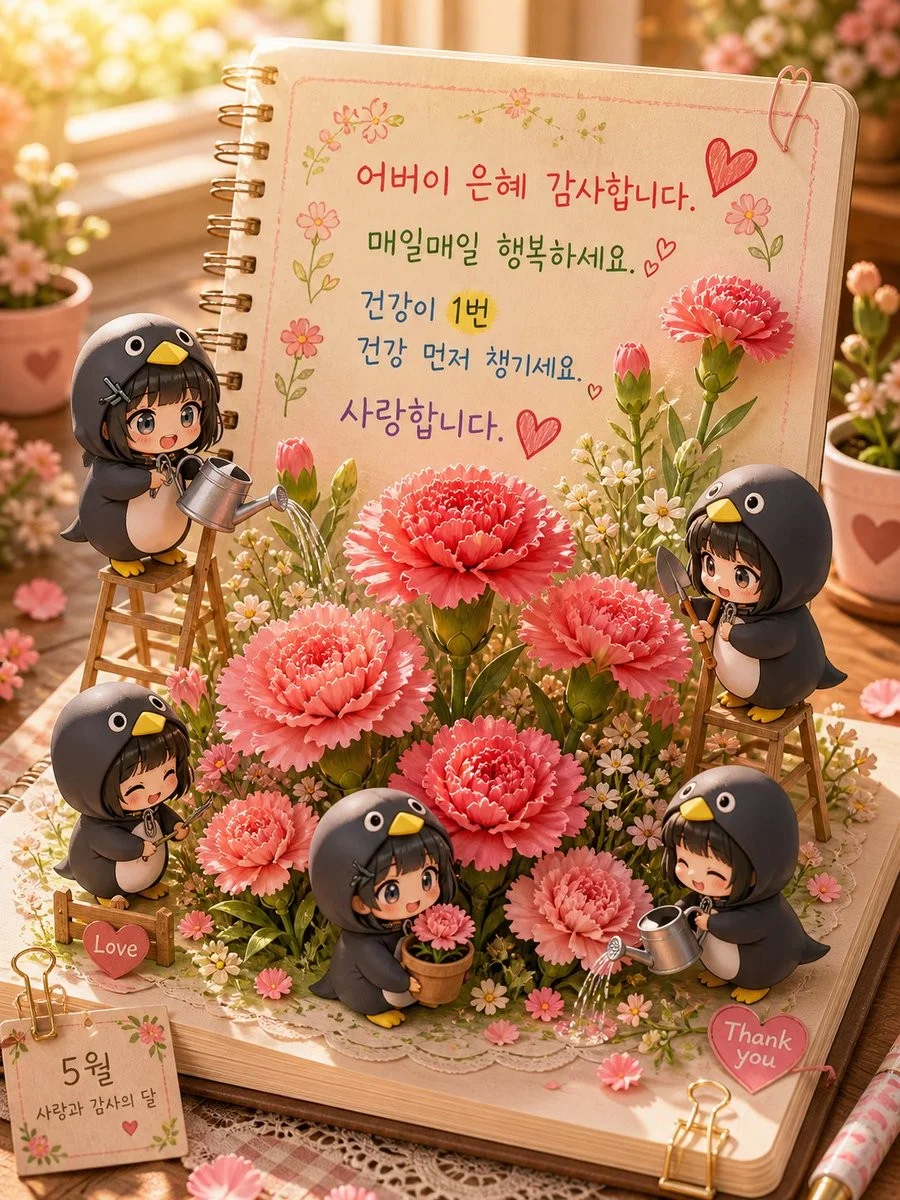
3D Pop-up Parents Day Card
3D 노트 위 꽃이 입체적으로 피어나는 장면, 첨부된 사진의 미니 캐릭터들이 물주고 가꾸는 모습, {argument name="날씨" default="따뜻한 5월 햇살"}, 캐리커처 스타일, 밝고 사랑스러운 분위기, 실제 꽃처럼 디테일하게,
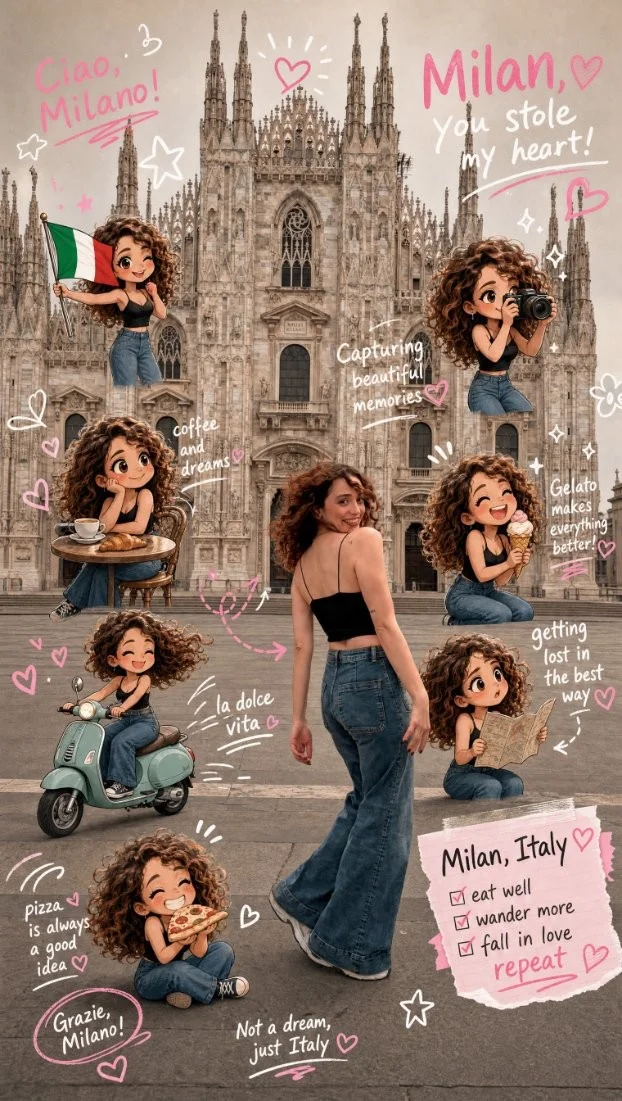
Chibi Scrapbook Photo Transformation
remove the people around the main character, Add multiple small, cute chibi-style “mini versions” of her around the image.
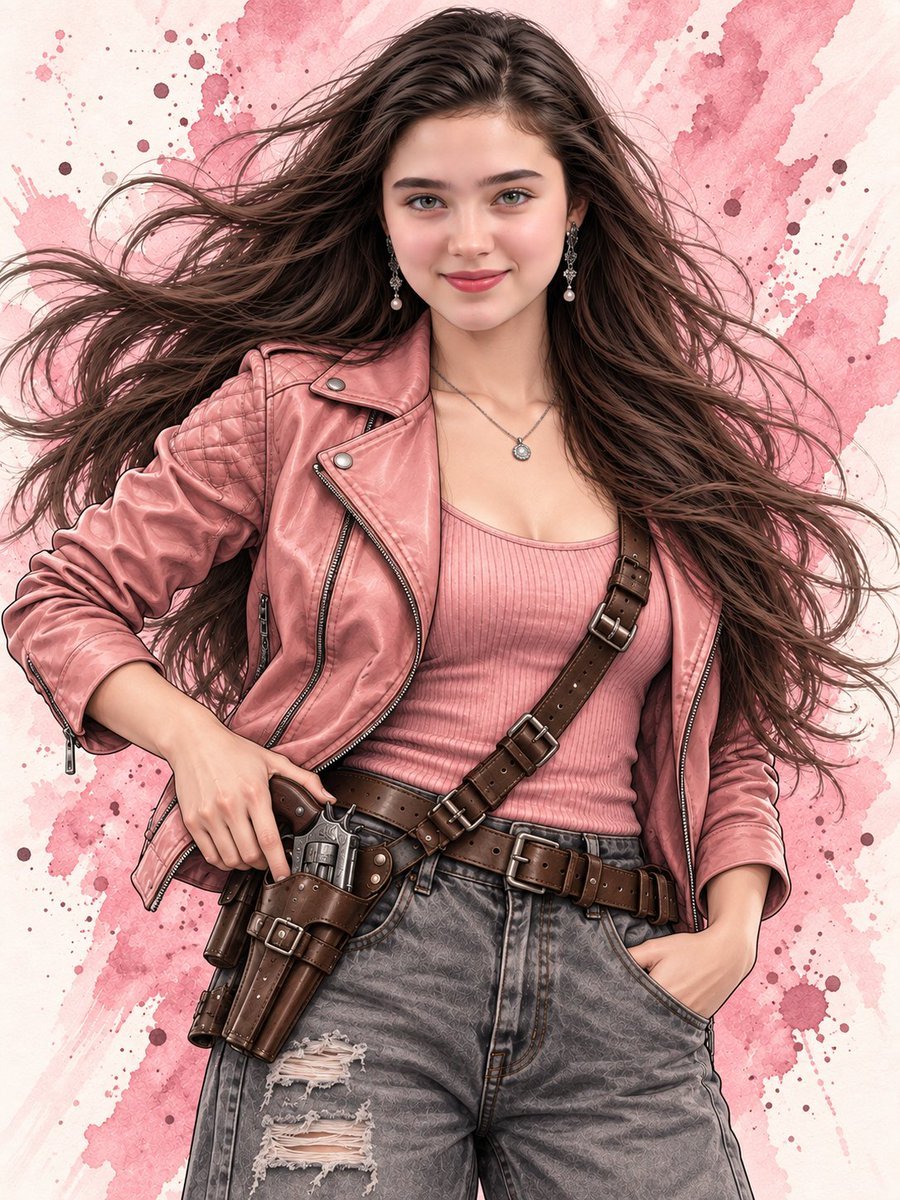
AI Photo Generation Guide
1. Open Gemini / Grok / GPT Image 2.0 2. Upload your photo 3. Copy the prompt 4. Generate 5. Prompt ⤵️ https://t.co/ufvHABxbuM
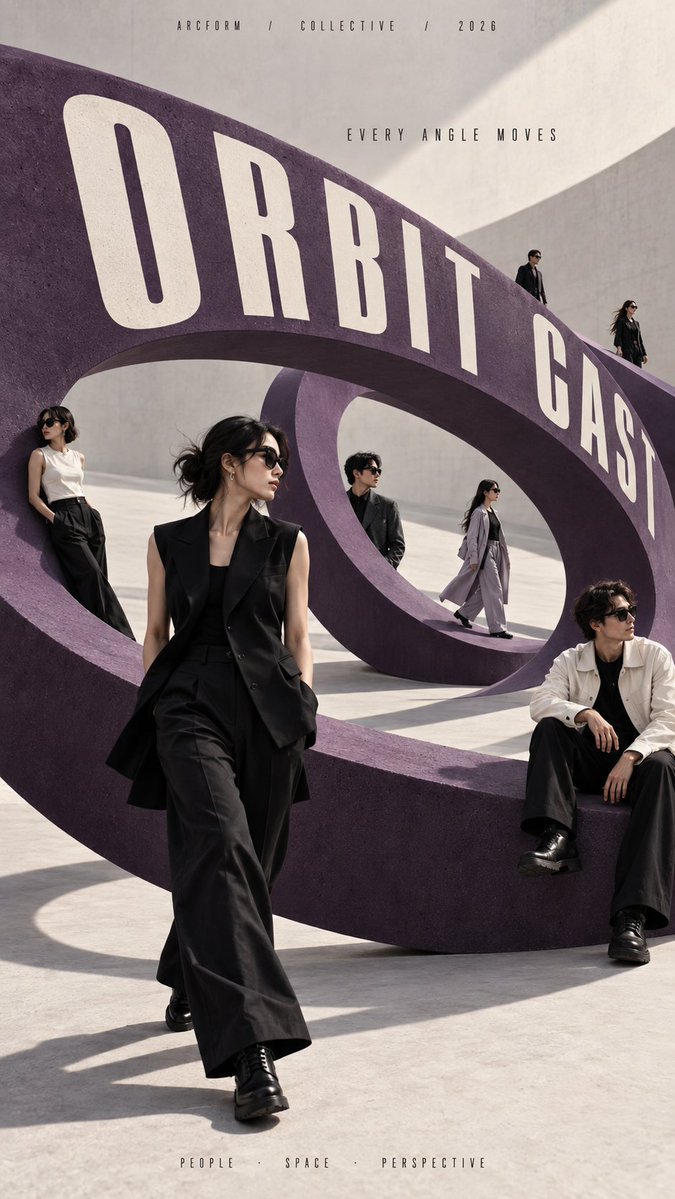
Depth in Image Generation
🤯 Images 2.5 is so good at building depth!
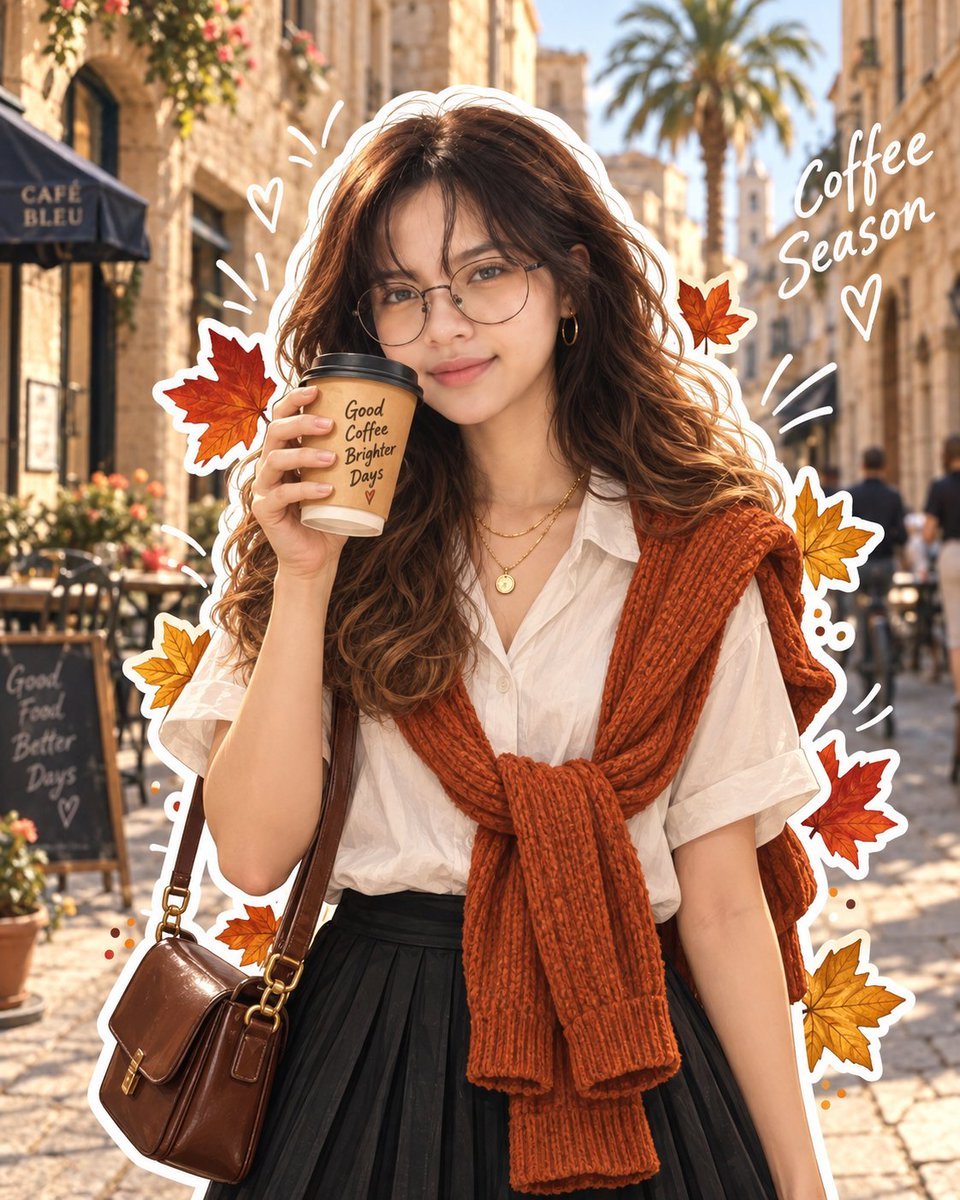
AI Sticker-Cutout Photo Effect
How to get this viral sticker-cutout photo effect with AI GPT image 2 on chatgpt Prompt👇 https://t.co/Re6oPaU3zv
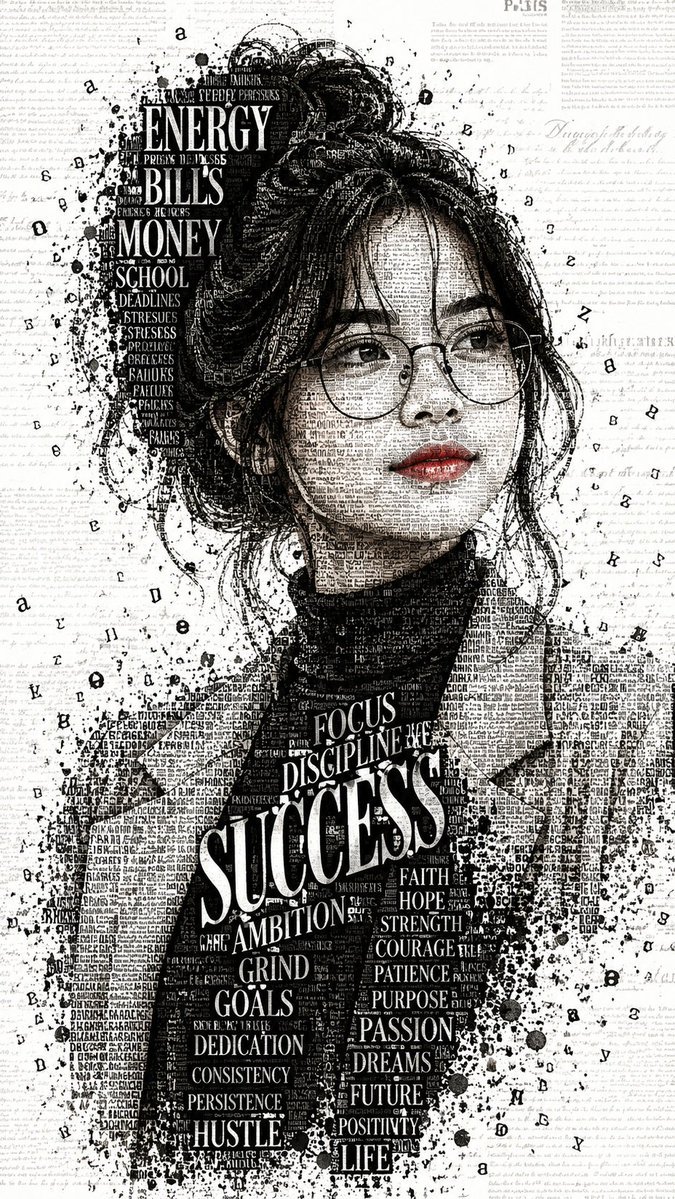
Photo made of words
Your photo, but made entirely from words 🤯👇 ① Open Gemini / Grok / GPT Image 2.0 ② Add your photo ③ Paste the prompt ④ Generate.
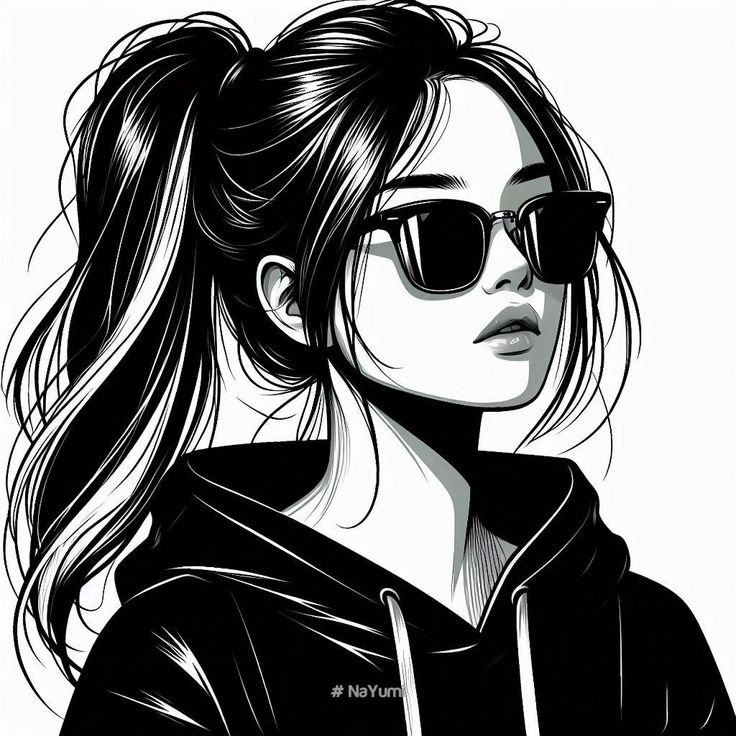
Photo to Hand-Drawn Art
Turn your photo into a hand-drawn masterpiece ✍️🖤 ① Upload your photo ② Copy this prompt ③ Generate ④ Done.
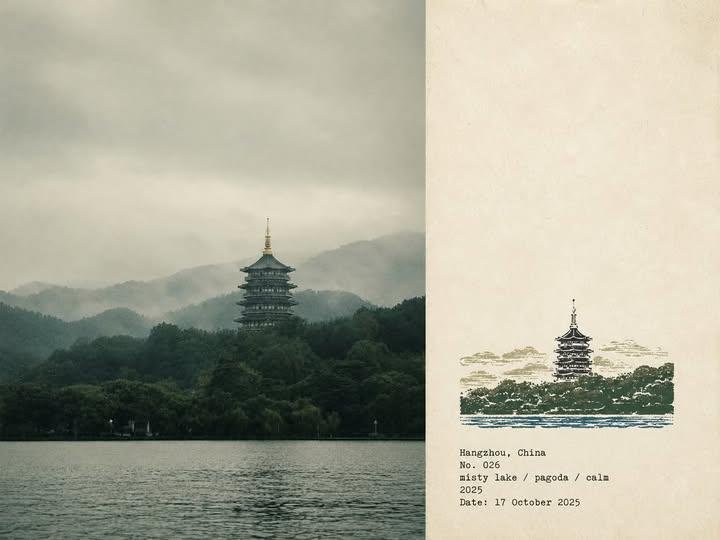
Rubber Stamp Travel Field Notes Poster
GPT image 2 on chatgpt Prompt👇 Please create a separate "Rubber Stamp Travel Field Notes Poster" for each photo I upload, outputting each
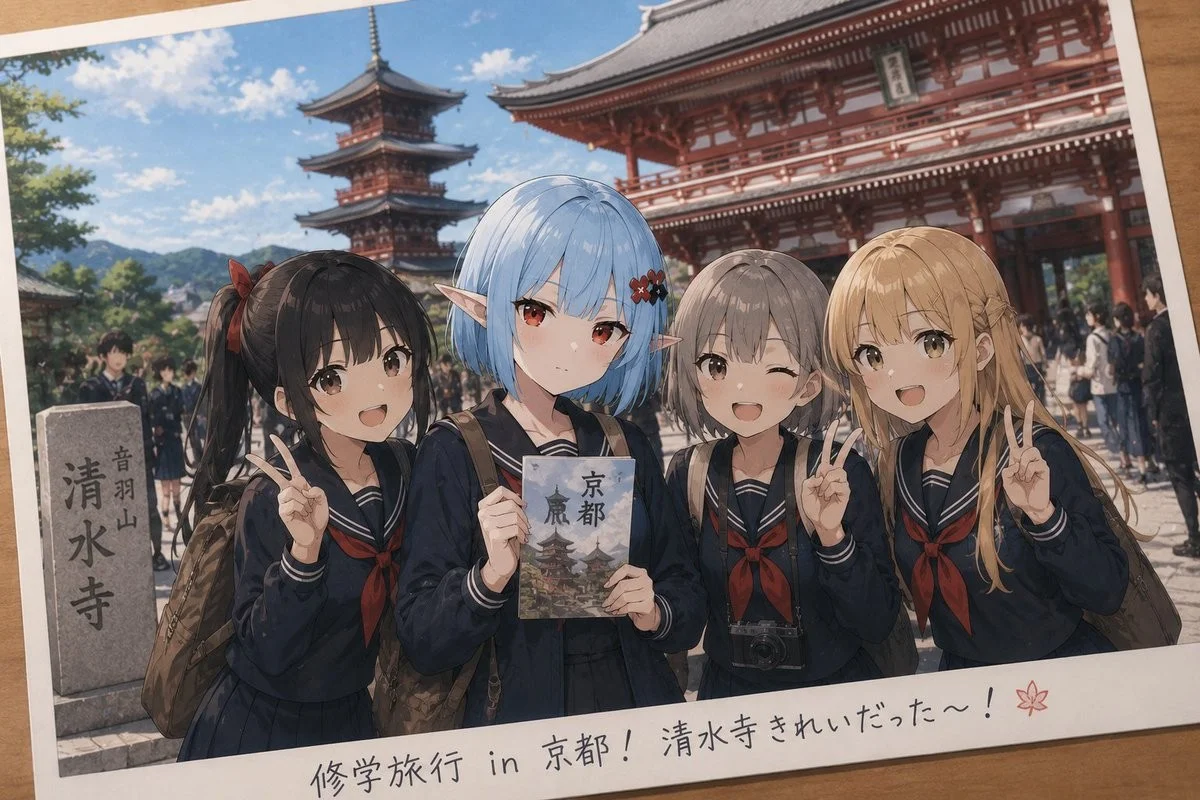
Event Photo Synthesis Illustration
Generate a single illustration based on the school trip photos.
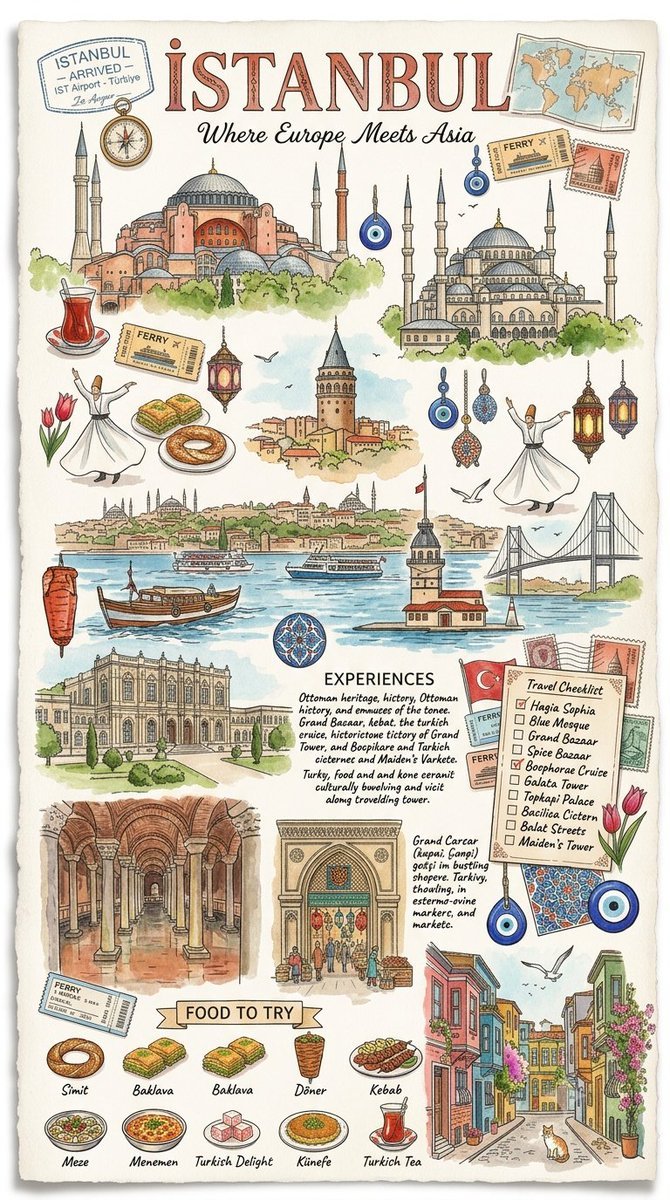
Istanbul Travel Journal Collage
Image created on Gpt 2 Prompt: Ultra-realistic hand-painted watercolor travel collage with soft ink outlines, vintage travel journal
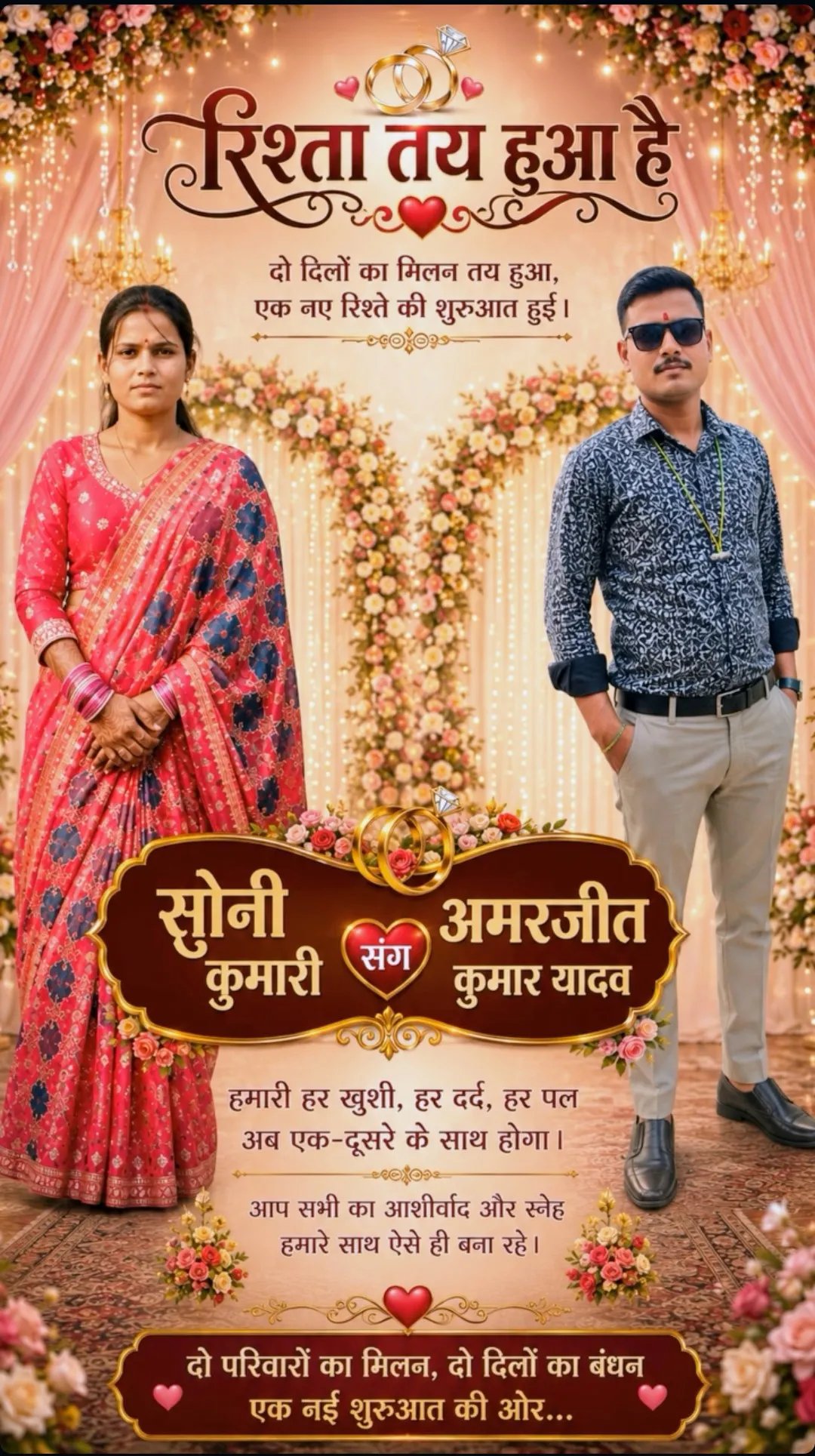
Indian Wedding Invitation Card
"एक भव्य भारतीय डिजिटल वेडिंग इनविटेशन कार्ड (Digital Wedding Invitation Card)। बैकग्राउंड में हल्के गुलाबी और सुनहरे रंग के पर्दे
Cat Ruins Photo
GPT Image 2 on ChatGPT Prompt: Use the uploaded reference image as the primary facial reference.