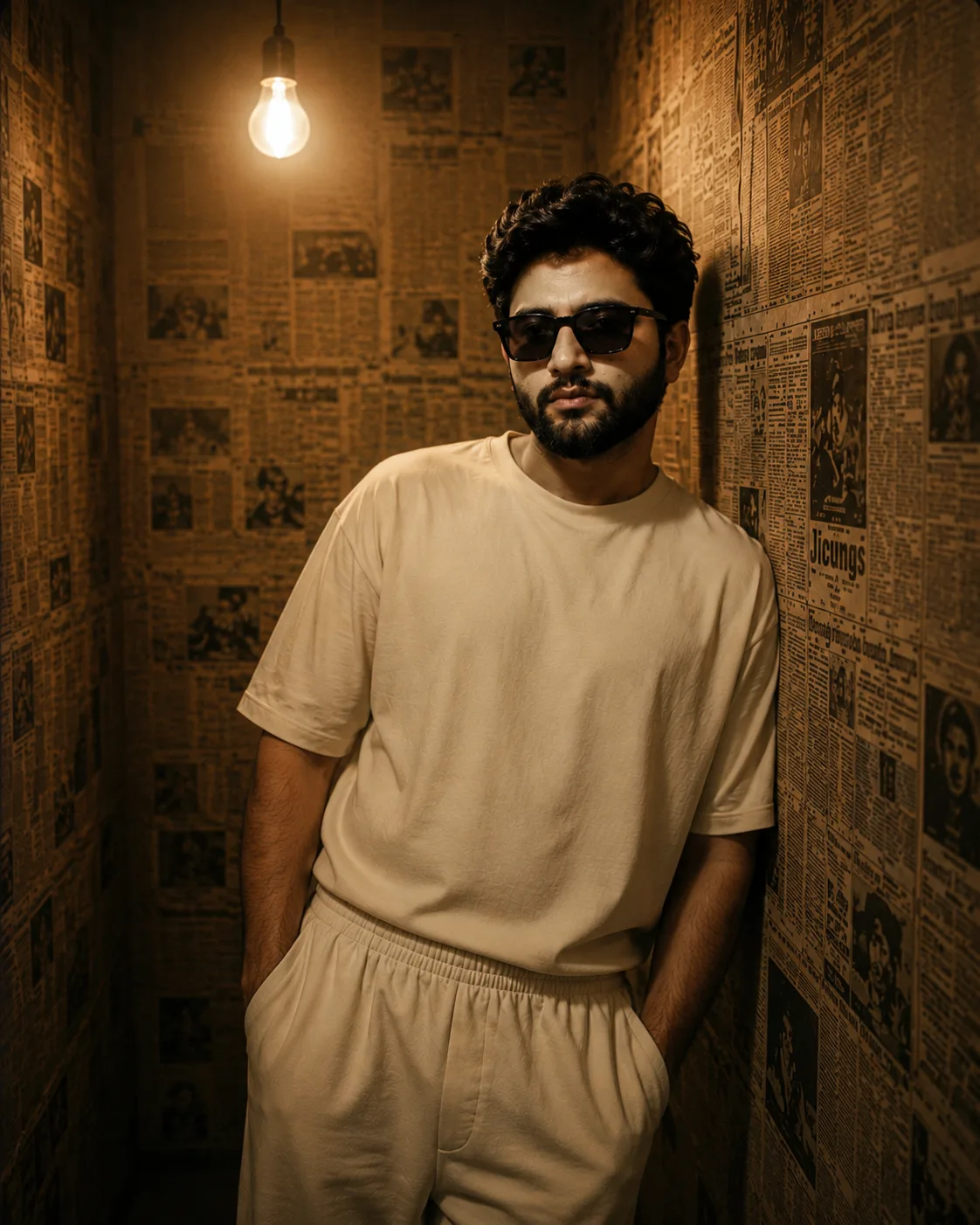
Moody Vintage Newspaper Corridor Portrait
来源: @rehman
这条提示词生成的画面:Moody Vintage Newspaper Corridor Portrait。
适用模型:ChatGPT。
可以改的一个变量:写实 look。
如何使用这条提示词
- 适用模型:ChatGPT。
- 画面主体:Moody Vintage Newspaper Corridor Portrait。
- 改一个变量:写实 look。
0 浏览 · 0 复制 · 0 收藏 · 0 讨论
0提示词
今日剩余 1 / 1 次免费复制
Use the uploaded user photo as the **ONLY identity reference** for the main human subject. Preserve the user's exact recognizable identity with maximum fidelity: facial structure, face shape, facial proportions, forehead, eyebrows, natural eye shape and spacing, nose, lips, mouth structure, jawline, cheekbones, chin, skin tone, natural skin texture, hairline, hair characteristics, facial hair if present, and every distinctive facial feature. **Do not copy the identity of the reference subject. Do not beautify, redesign, slim, age, de-age, masculinize, feminize, or otherwise reinterpret the user's face. The final person must unmistakably remain the person from the uploaded photo.**
Recreate the reference image as accurately as possible while using the user's identity. The scene is a moody, intimate editorial portrait of a young person standing inside a narrow enclosed room whose walls are completely covered with aged newspaper pages. Newspapers fill the entire background from floor to ceiling and continue along both side walls, creating a claustrophobic collage of dense columns of text, headlines, photographs, advertisements, and vintage printed material. The newspapers have a warm yellowed beige/sepia appearance with subtle wrinkles, overlapping sheets, aged paper texture, faded ink, and visible rectangular page boundaries.
The subject stands centered in the narrow space, occupying most of the vertical frame from approximately the lower torso to the top of the head. The body faces generally toward the camera with a relaxed upright posture. Both arms hang naturally down alongside the torso, with the hands lowered near the trouser pockets/hips and partially obscured by the darkness and framing. The shoulders are relaxed rather than squared. The subject wears a simple oversized/off-white cream short-sleeve crew-neck T-shirt with naturally loose fabric, slight folds and wrinkles, paired with loose light beige/cream trousers featuring an elasticized gathered waistband. Keep the clothing minimal, plain, casual, and free of prominent logos or accessories.
Reproduce the reference subject's head pose precisely: the head is tilted subtly toward one side and slightly lowered, with the face angled gently toward the camera. The neck remains naturally relaxed. The expression is serious, quiet, introspective, slightly melancholic and emotionally restrained, with no smile. Reconstruct this expression independently of the user's source-photo expression. The eyes should be naturally open and directed toward the camera with a calm, steady, slightly distant gaze. Preserve the reference's relaxed eyelids, neutral eyebrows, closed relaxed lips, and contemplative mood. **The user's original expression, gaze direction, and head pose must not influence the result; only the user's identity transfers from the uploaded photo.**
Composition: vertical portrait orientation, approximately **4:5 aspect ratio**. Camera positioned at approximately chest/eye level, facing the subject almost straight-on with a subtle natural perspective. Medium-full portrait framing, showing the entire head, shoulders, torso, waistband and upper portion of the trousers while leaving only a small amount of space above the hair. The subject is centered within the narrow newspaper-lined corridor. The side walls converge subtly toward the upper/background area, emphasizing depth and enclosure. Maintain the same intimate camera distance and balanced symmetrical composition, with the subject visually framed between the two newspaper-covered walls.
Lighting is a major part of the reference aesthetic: create a warm, dim, cinematic tungsten/amber atmosphere. A small bright circular ceiling light/bare bulb appears above and slightly behind the subject near the upper center-left area, glowing intensely and producing a soft halo. The bulb is visibly overexposed compared with the surrounding room. Its warm light falls across the subject's face, neck and cream clothing, creating soft directional highlights while leaving parts of the body and lower corners in deep shadow. Use strong but natural low-key contrast, gentle falloff, warm amber highlights, dark brown shadows, subtle rim illumination, and atmospheric shadow gradients. Do not make the lighting clean, modern, bright, or studio-like.
The newspaper-covered walls should remain clearly recognizable but progressively soften toward the edges and deeper background. Use shallow-to-moderate depth of field: the subject's face and upper torso are the primary focal plane, while some newspaper text and photographs remain legible enough to establish the environment but become softly blurred toward the side edges. Include realistic paper wrinkles, slight curling, uneven adhesion, aged stains, faded typography and photographic blocks. Avoid making the newspaper collage perfectly uniform or digitally pristine.
Photographic style: ultra-realistic cinematic analog photography with a nostalgic late-20th-century editorial/indie-film aesthetic. Warm sepia-gold color grading, muted cream and brown palette, subtle green-brown shadow tones, soft highlight roll-off, restrained contrast, natural skin texture, fine analog film grain, slight halation around the bright bulb, gentle lens softness, faint vignette, subtle atmospheric haze, and authentic photographic imperfections. Preserve realistic pores, natural facial texture, believable fabric fibers and wrinkles, physically accurate shadows, and natural anatomy. The final image should feel like a candid frame from an atmospheric art film rather than a digitally generated fashion image.
Maintain the exact visual hierarchy of the reference: **user's identity first; reference expression, emotion, gaze and head pose second; reference body posture and composition third; reference clothing and newspaper environment fourth; reference lighting, color grading and photographic texture fifth.** No extra people, no furniture, no modern objects, no visible camera equipment, no dramatic props, no text overlay, no watermark, no artificial beauty retouching, no facial distortion, no duplicated limbs, no altered identity.
相似提示词
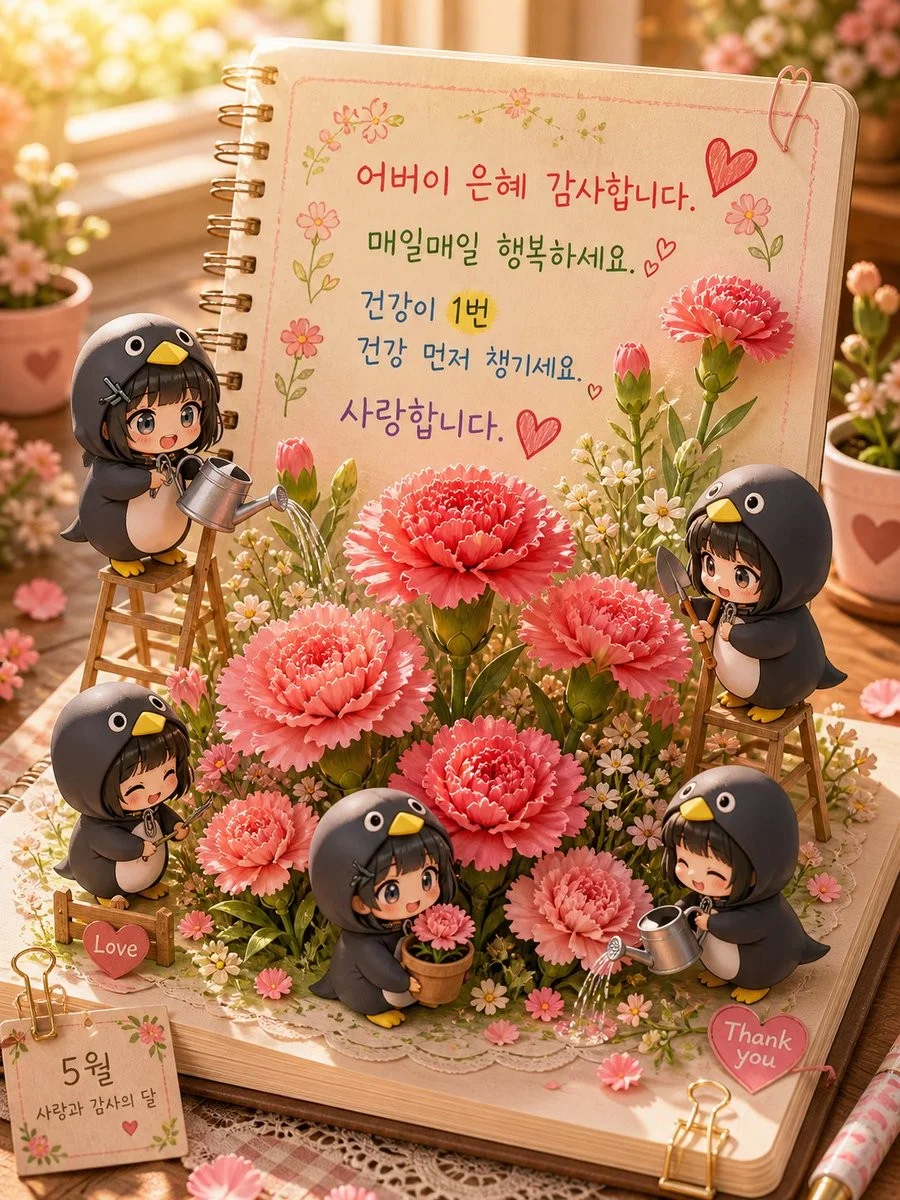
3D Pop-up Parents Day Card
3D 노트 위 꽃이 입체적으로 피어나는 장면, 첨부된 사진의 미니 캐릭터들이 물주고 가꾸는 모습, {argument name="날씨" default="따뜻한 5월 햇살"}, 캐리커처 스타일, 밝고 사랑스러운 분위기, 실제 꽃처럼 디테일하게,
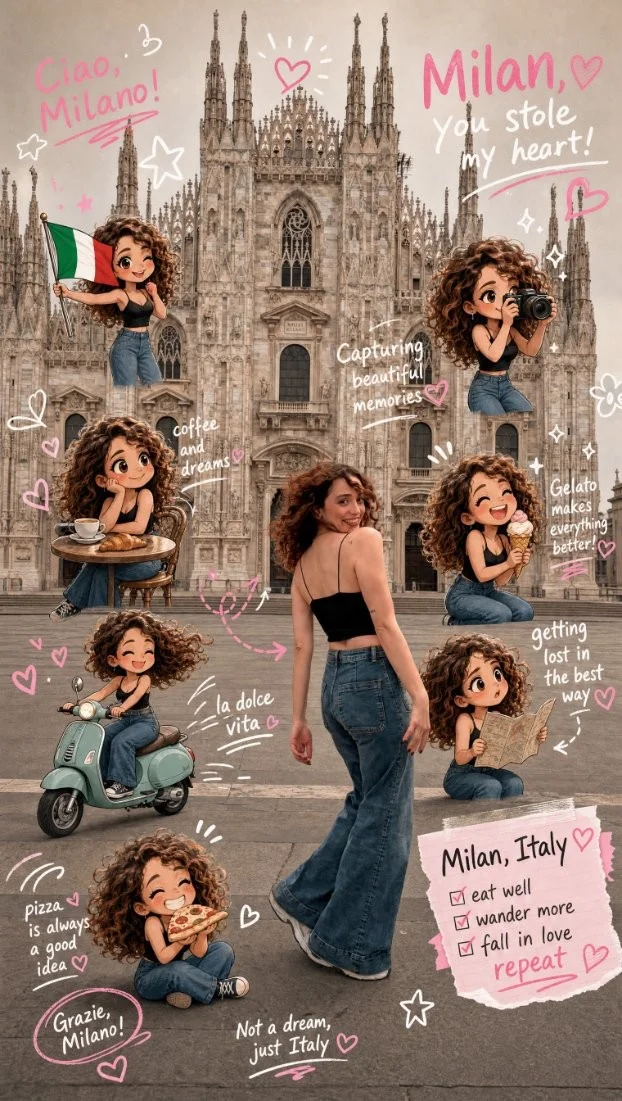
Chibi Scrapbook Photo Transformation
remove the people around the main character, Add multiple small, cute chibi-style “mini versions” of her around the image.
AI Photo Generation Guide
1. Open Gemini / Grok / GPT Image 2.0 2. Upload your photo 3. Copy the prompt 4. Generate 5. Prompt ⤵️ https://t.co/ufvHABxbuM
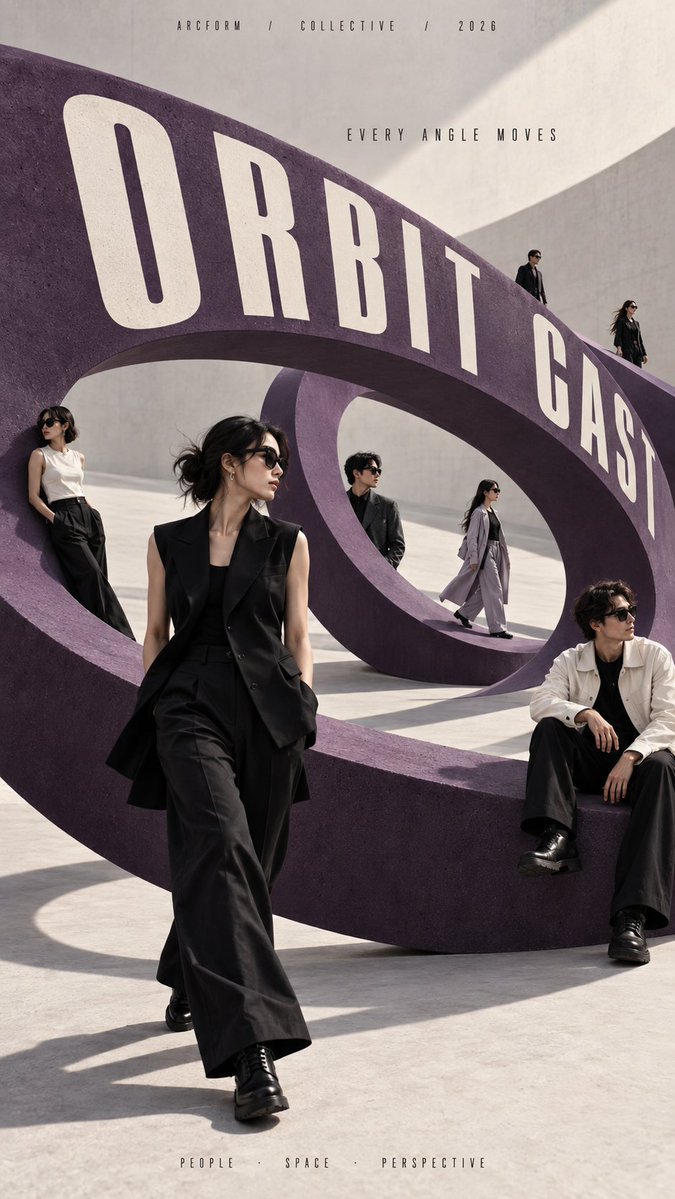
Depth in Image Generation
🤯 Images 2.5 is so good at building depth!
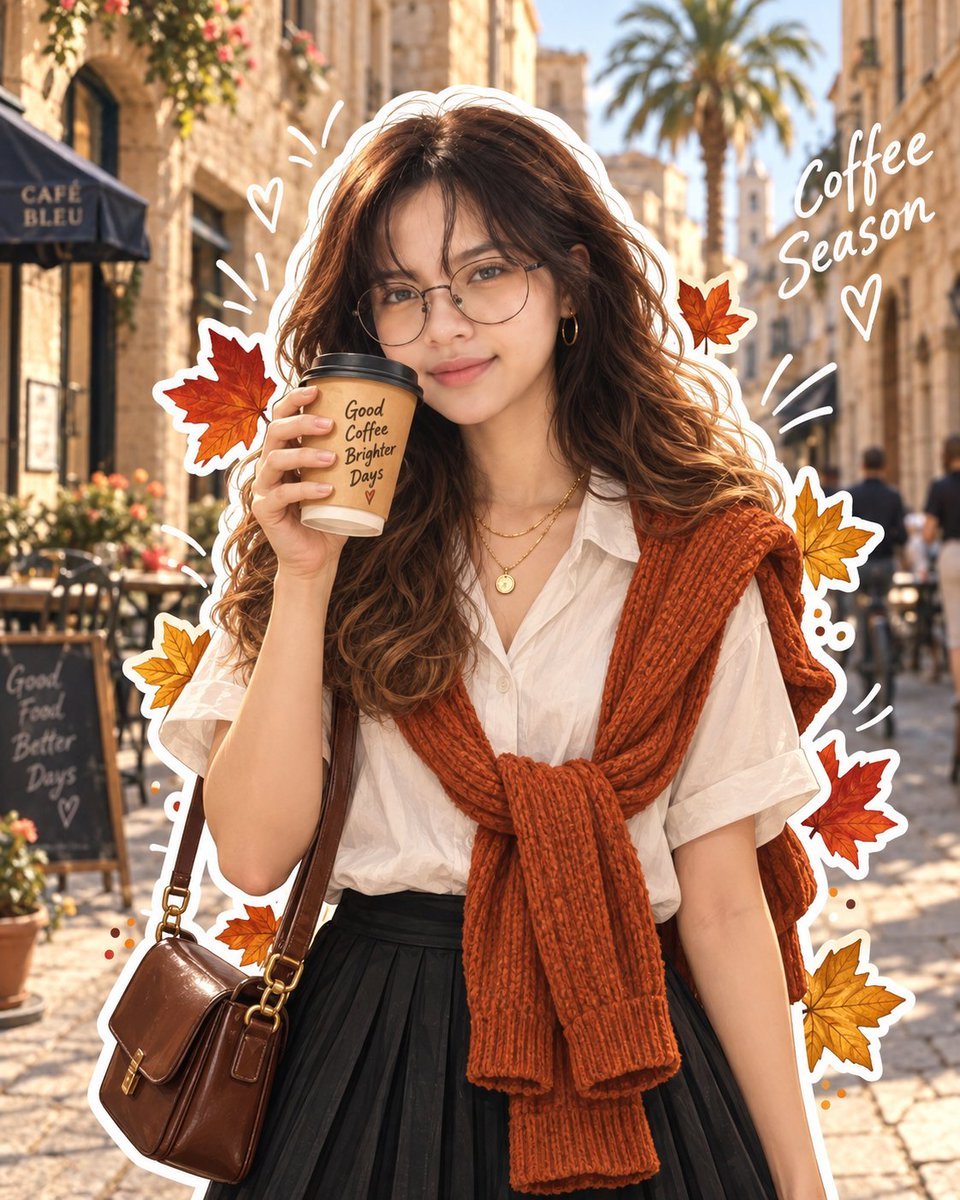
AI Sticker-Cutout Photo Effect
How to get this viral sticker-cutout photo effect with AI GPT image 2 on chatgpt Prompt👇 https://t.co/Re6oPaU3zv
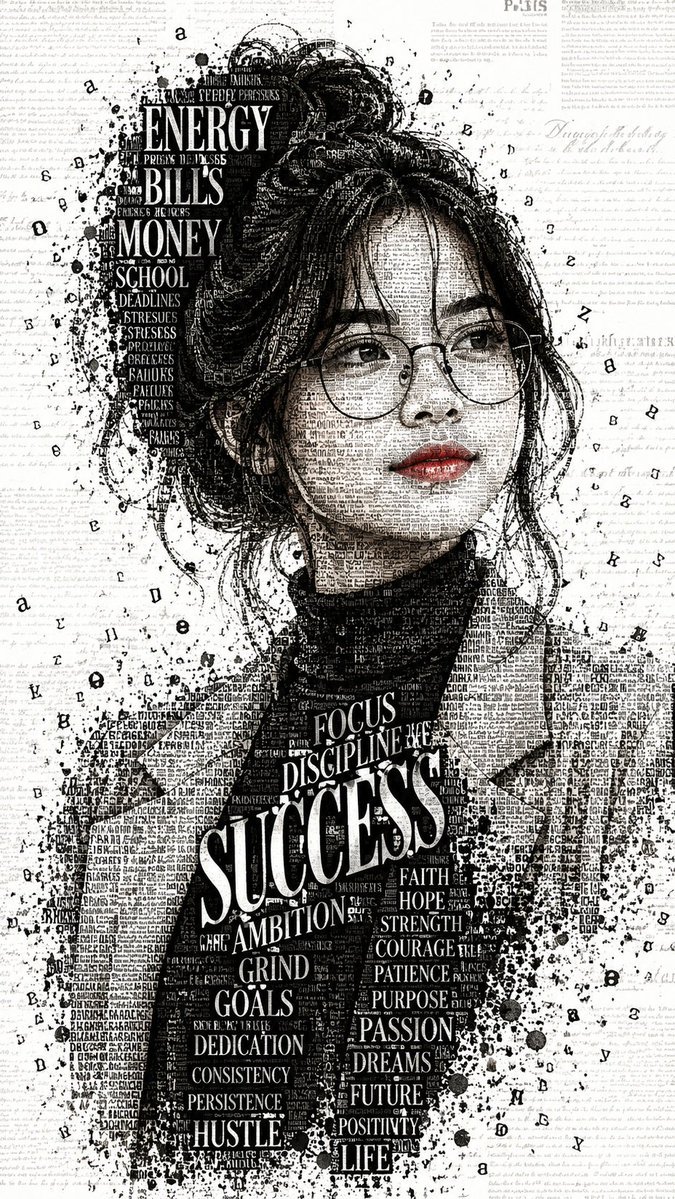
Photo made of words
Your photo, but made entirely from words 🤯👇 ① Open Gemini / Grok / GPT Image 2.0 ② Add your photo ③ Paste the prompt ④ Generate.
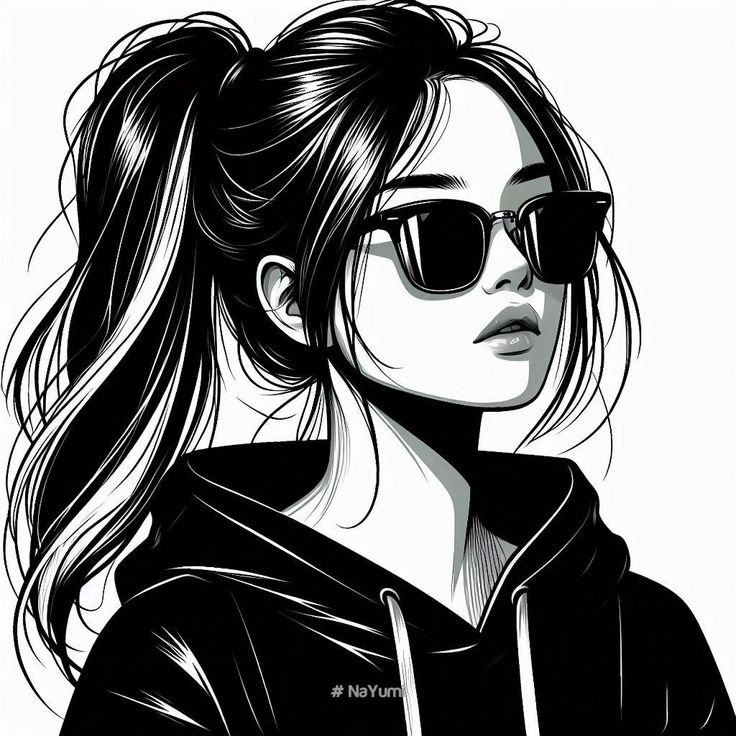
Photo to Hand-Drawn Art
Turn your photo into a hand-drawn masterpiece ✍️🖤 ① Upload your photo ② Copy this prompt ③ Generate ④ Done.
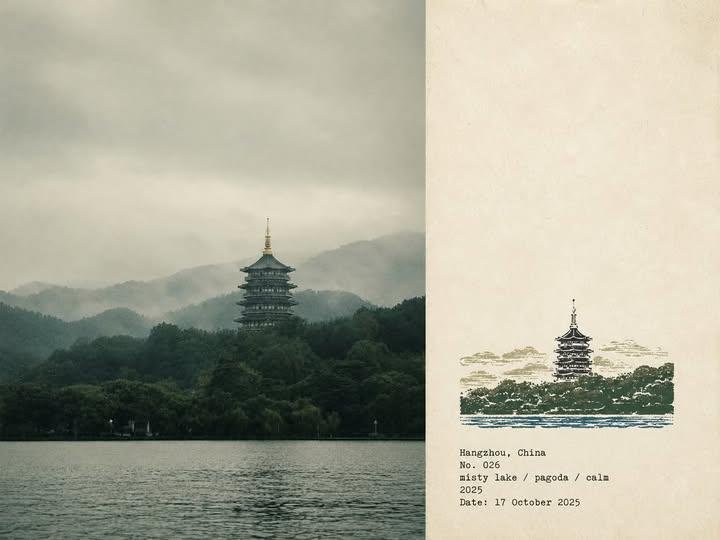
Rubber Stamp Travel Field Notes Poster
GPT image 2 on chatgpt Prompt👇 Please create a separate "Rubber Stamp Travel Field Notes Poster" for each photo I upload, outputting each
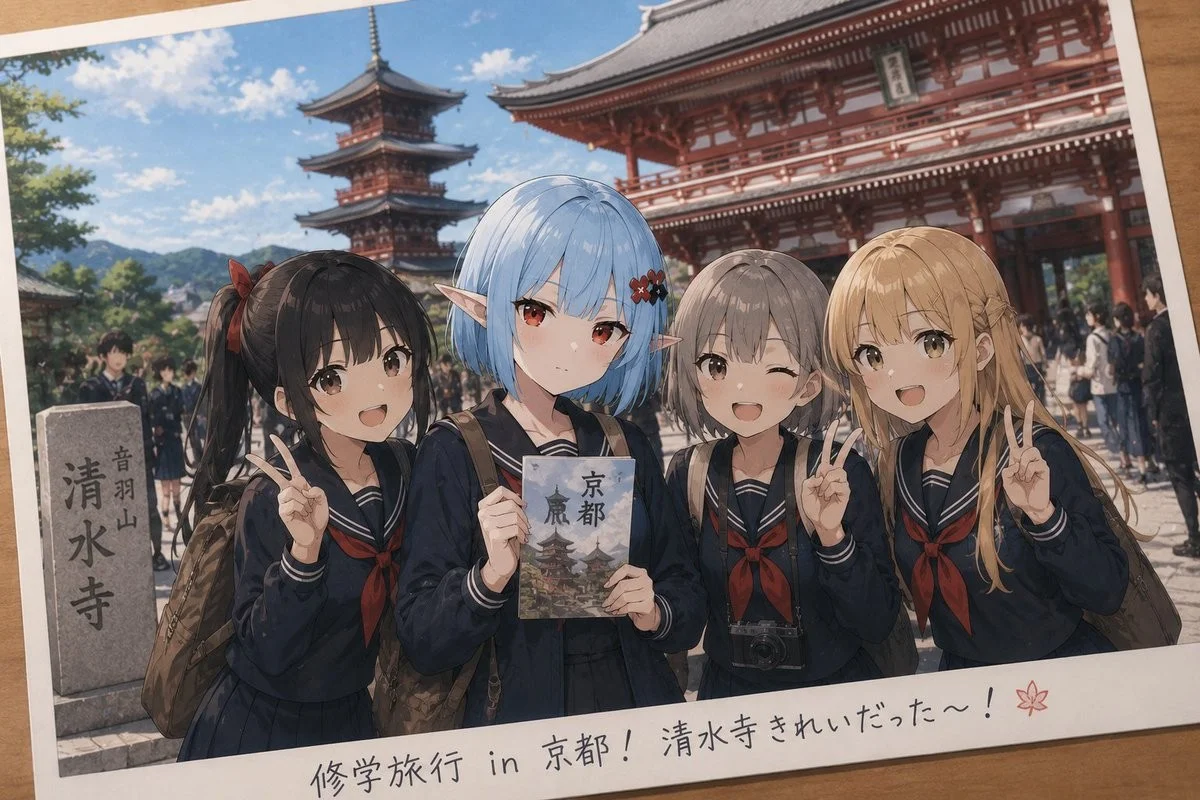
Event Photo Synthesis Illustration
Generate a single illustration based on the school trip photos.
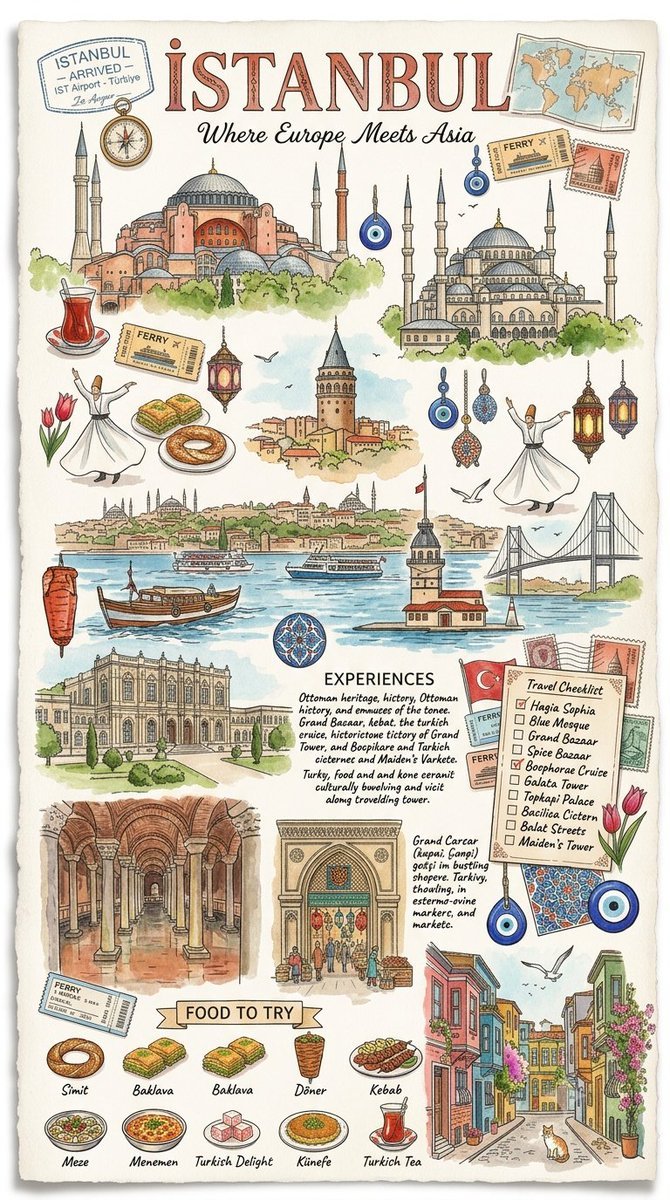
Istanbul Travel Journal Collage
Image created on Gpt 2 Prompt: Ultra-realistic hand-painted watercolor travel collage with soft ink outlines, vintage travel journal
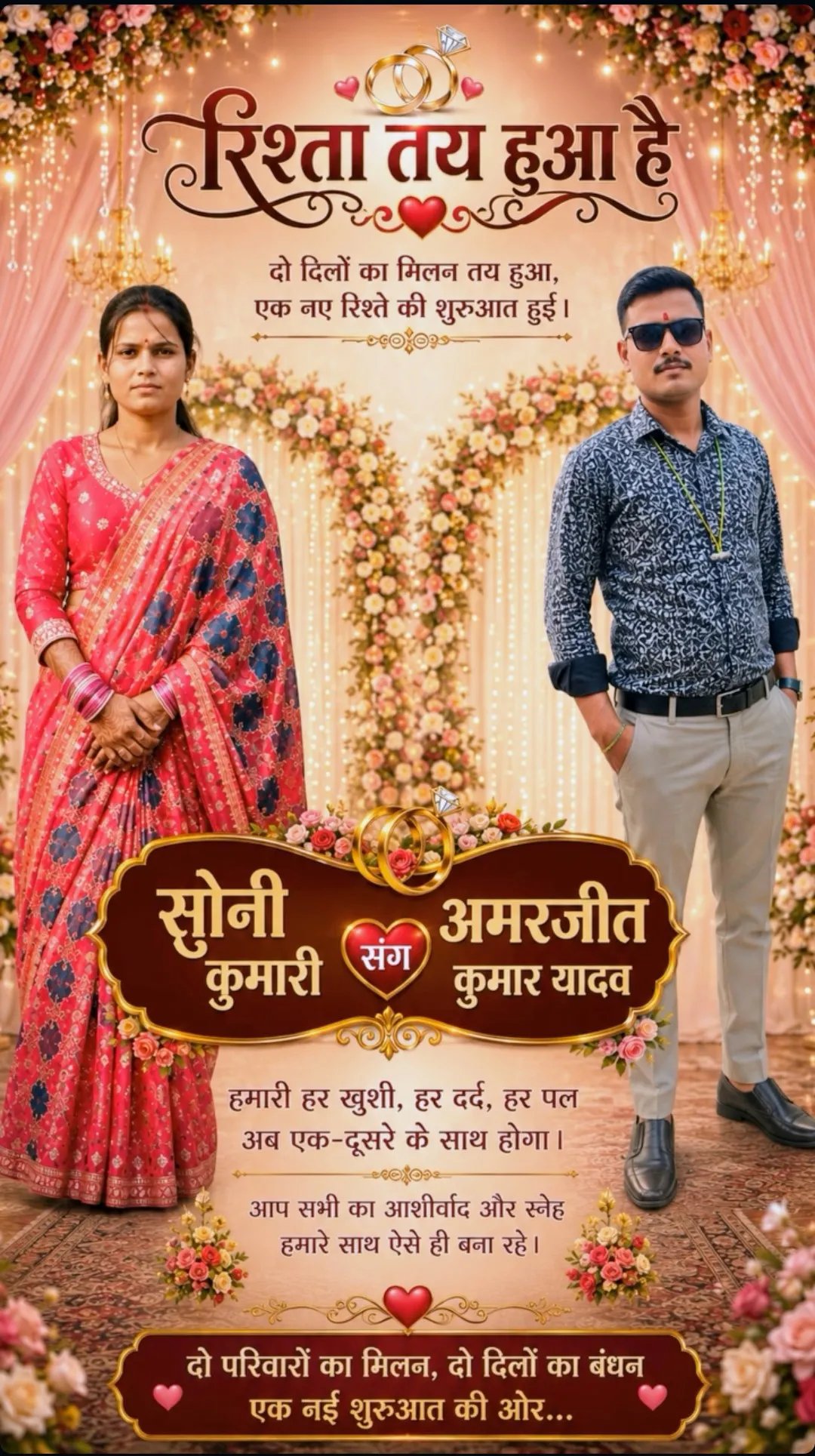
Indian Wedding Invitation Card
"एक भव्य भारतीय डिजिटल वेडिंग इनविटेशन कार्ड (Digital Wedding Invitation Card)। बैकग्राउंड में हल्के गुलाबी और सुनहरे रंग के पर्दे
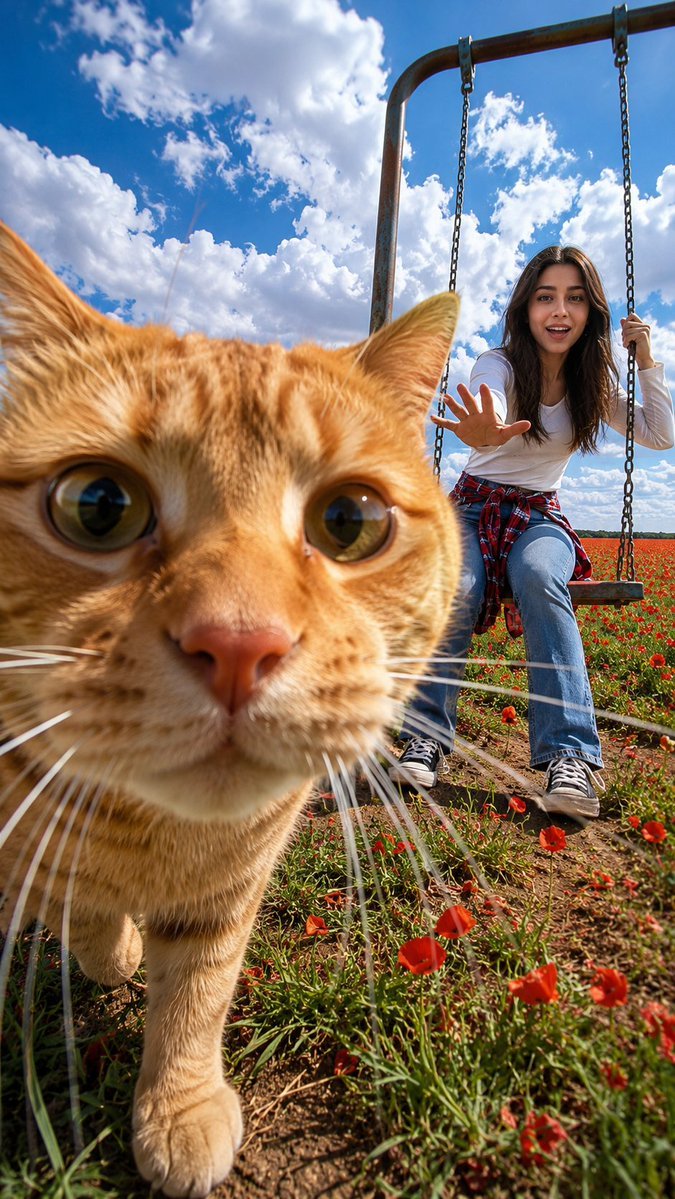
Cat Ruins Photo
GPT Image 2 on ChatGPT Prompt: Use the uploaded reference image as the primary facial reference.