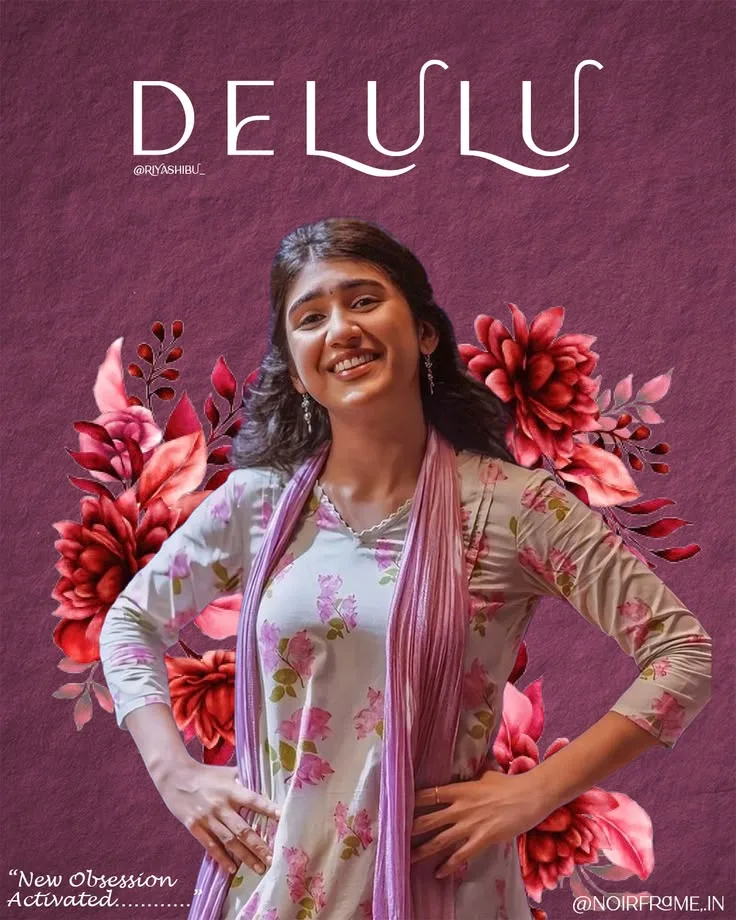
Delulu 💖
来源: @rehman
这条提示词生成的画面:Delulu 💖。
适用模型:ChatGPT。
可以从提示词确定的画面信息:close-up。
可以改的一个变量:写实 look。
如何使用这条提示词
- 适用模型:ChatGPT。
- 画面主体:Delulu 💖。
- 改一个变量:写实 look。
0 浏览 · 0 复制 · 0 收藏 · 0 讨论
0提示词
今日剩余 1 / 1 次免费复制
Use the uploaded user photo as the ONLY and STRICT source of the subject’s identity and facial appearance. Preserve the user’s exact recognizable identity with maximum fidelity: facial structure, proportions, face shape, forehead, eyebrows, natural eye shape, nose, lips, mouth structure, jawline, cheekbones, chin, skin tone, natural skin texture, hairline, age, and every distinctive facial characteristic. Do not copy, blend, imitate, or borrow the identity of the person in the reference image. Do not beautify, redesign, reshape, feminize, masculinize, age, de-age, or otherwise alter the user’s identity. If the reference subject and user have different genders or appearances, keep the user’s identity and gender presentation unchanged.
Recreate the uploaded reference image as accurately as possible, using it as the strict visual blueprint for everything except identity. Create a polished vertical 4:5 fashion-editorial promotional poster matching the reference’s framing, subject placement, pose, expression, styling, floral arrangement, background, typography, colors, lighting, and overall aesthetic.
SUBJECT & POSE: Place the user as the central medium-full-body subject, occupying most of the frame from approximately the upper thighs/waist to the top of the head. The body faces generally toward the camera. Reproduce the reference pose precisely: both arms bent outward, both hands resting confidently on the waist/hips, elbows extending outward on both sides. Keep the shoulders open, torso upright, and posture confident and playful. Match the reference’s arm angles, wrists, hand placement, finger positioning, elbow spread, torso orientation, and natural body proportions. Do not invent a different pose.
HEAD & EXPRESSION: Reconstruct the reference subject’s head position and facial behavior while preserving the user’s identity. The head is mostly upright with the same subtle tilt/rotation as the reference. The subject faces and looks directly toward the camera. Reproduce the reference’s cheerful, joyful, confident expression: a broad genuine smile with visible teeth, raised/relaxed cheeks, naturally engaged eyes, and a warm lively expression. The expression must come from the reference, NOT the user photo. Do not preserve the user photo’s original expression, gaze, mouth position, eyebrow position, or head pose if they differ from the reference. Preserve the user’s exact facial identity while recreating the reference smile, eye direction, facial muscle tension, and head orientation.
HAIR: Recreate the overall hairstyle, hair volume, length, parting, and placement suggested by the reference while adapting naturally to the user’s own identity and hair characteristics. Keep realistic individual strands and soft dimensional texture. Do not use hairstyle changes to alter the user’s identity.
CLOTHING: Dress the user in a light pastel cream/off-white traditional South Asian-style floral outfit closely matching the reference. Use a long straight/flowing kurta or kameez with delicate multicolored floral print in pink, mauve, lavender, muted green, and subtle warm botanical tones. Add a long narrow pink/lilac dupatta draped around the neck, with both ends hanging vertically down the front. Match its width, folds, length, placement, translucency, and soft pink-lavender color. Preserve realistic fabric folds around the arms, waist, torso, and scarf.
FLORAL ELEMENTS: Surround the subject with large layered flowers positioned behind and around the shoulders, upper arms, and lower sides. Reproduce rich red, crimson, burgundy, coral-pink, blush-pink, and deep magenta dahlia/chrysanthemum-like blooms with many overlapping petals. Place prominent red flowers behind both upper sides, with additional flowers extending down the sides and partly behind the arms and lower torso. Include stylized botanical branches, pointed leaves, thin stems, small berry-like buds, and elongated decorative leaves in burgundy, dusty pink, muted red, and dark plum. Flowers must frame the subject without covering the face or obscuring the main silhouette, maintaining the reference’s layered decorative depth.
BACKGROUND: Fill the frame with a rich muted dusty-plum/mauve/purple background. Reproduce the softly textured, slightly grainy paper/fabric-like surface with subtle organic tonal variation. Keep it uncluttered with no architecture, scenery, horizon, furniture, or unrelated objects. Dominant colors: dusty mauve, plum, burgundy, crimson, blush pink, lavender, cream, and soft green.
COMPOSITION: Keep the user centered as the primary focal point. Position the head in the upper-middle region and the body toward the lower edge, with balanced floral weight on both sides. Preserve the generous upper background area above the head for the title. Match the reference crop, subject scale, symmetry, and visual hierarchy. Do not turn it into a generic close-up, landscape, or distant full-body photograph.
LIGHTING: Use soft flattering studio-style illumination from the front/upper-front, producing gentle highlights on the face, hair, clothing, flowers, and scarf. Maintain realistic soft shadows beneath facial features, chin, arms, clothing folds, and floral layers. Keep natural skin texture rather than excessive airbrushing. Give flowers dimensional highlights and shadows while keeping the background subdued.
STYLE & DETAIL: Combine realistic photographic rendering of the person with the stylized decorative floral-poster treatment of the reference. Keep the subject sharply detailed and natural, with realistic skin, eyes, hair strands, fabric texture, and anatomy. Flowers may have refined editorial cutout/illustrative qualities while retaining detailed petals. Maintain believable depth between subject, flowers, and background, with crisp edges, controlled contrast, subtle cinematic tonal depth, and professional fashion-photography quality.
TYPOGRAPHY: Recreate the reference graphic layout. At the top center, above the subject’s head, place the large elegant white uppercase title “DELULU” in a very thin, tall, minimalist fashion/editorial typeface. Use wide letter spacing and reproduce the distinctive elongated flowing curved strokes beneath the final letters. Beneath the left portion of the title, add tiny white text matching the reference placement and scale: “@RIYASHIBU_”. At the bottom-left, add the small white handwritten/script-style caption “New Obsession Activated...........” close to the lower edge. At the bottom-right, add the small white handle “@NOIRFRAME.IN”. Keep typography clean, subtle, white, and integrated without covering the subject.
CAMERA: Use an eye-level or very slightly elevated camera directly in front of the subject, with a natural portrait-lens perspective approximately equivalent to 50–70mm full-frame. Avoid wide-angle distortion. Use enough camera distance for the medium-full framing in the reference. Keep facial proportions natural and realistic, with moderate depth separation between subject, flowers, and background.
FINAL PRIORITY: The final image must be a highly faithful recreation of the reference poster while replacing only the reference person with the user’s exact identity. Transfer the reference’s smile, emotion, gaze, head orientation, hands-on-hips pose, clothing concept, floral framing, dusty-plum background, typography, lighting, camera perspective, crop, colors, and overall playful editorial mood. Do not introduce new objects, scenery, poses, expressions, gaze direction, composition, or unrelated styling. IDENTITY comes exclusively from the uploaded user photo; EXPRESSION, GAZE, HEAD POSE, BODY POSE, COMPOSITION, SCENE, STYLING, and VISUAL DESIGN come from the reference image.
相似提示词
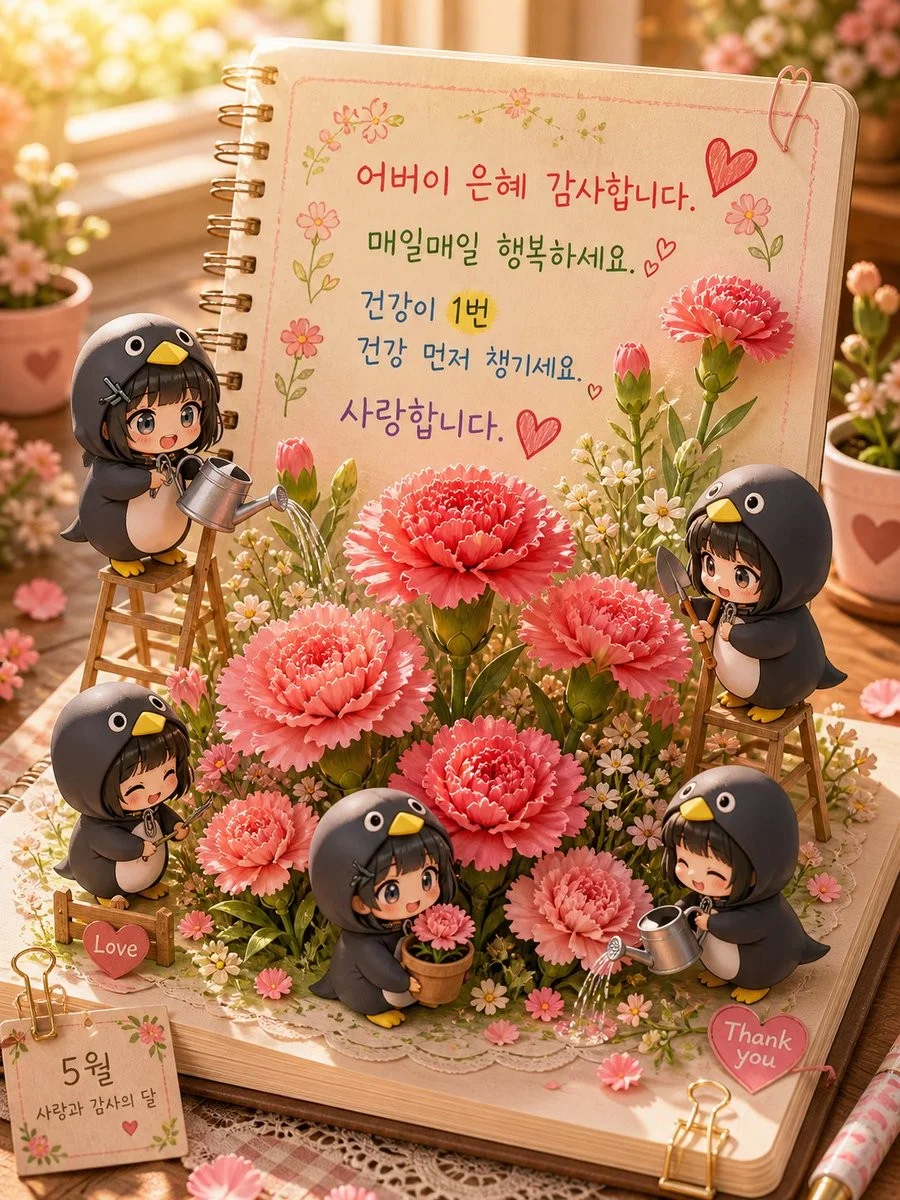
3D Pop-up Parents Day Card
3D 노트 위 꽃이 입체적으로 피어나는 장면, 첨부된 사진의 미니 캐릭터들이 물주고 가꾸는 모습, {argument name="날씨" default="따뜻한 5월 햇살"}, 캐리커처 스타일, 밝고 사랑스러운 분위기, 실제 꽃처럼 디테일하게,
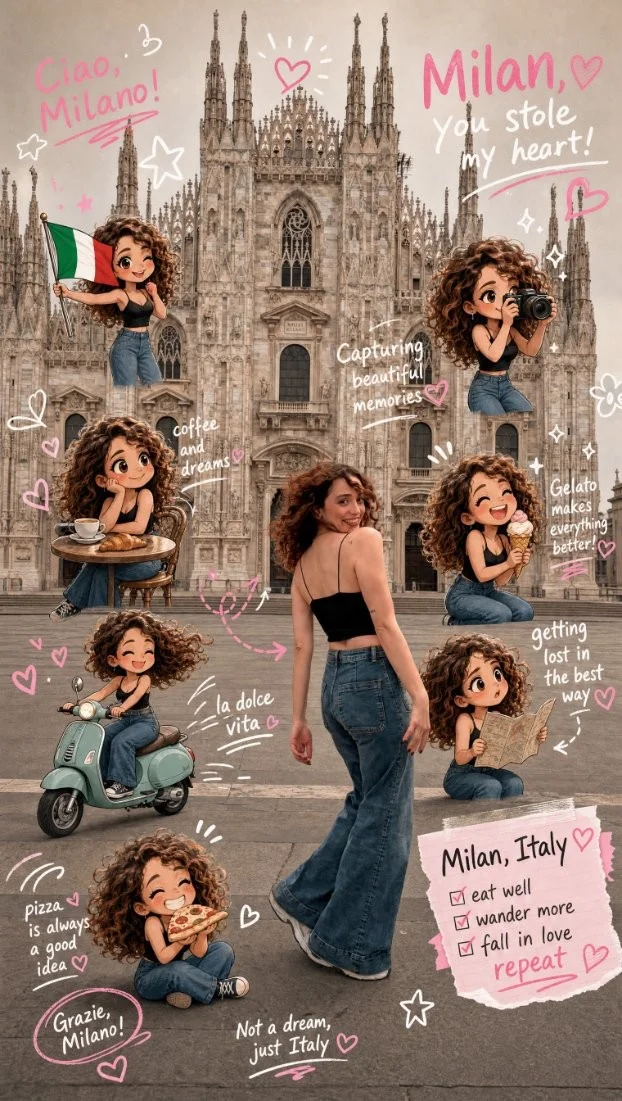
Chibi Scrapbook Photo Transformation
remove the people around the main character, Add multiple small, cute chibi-style “mini versions” of her around the image.
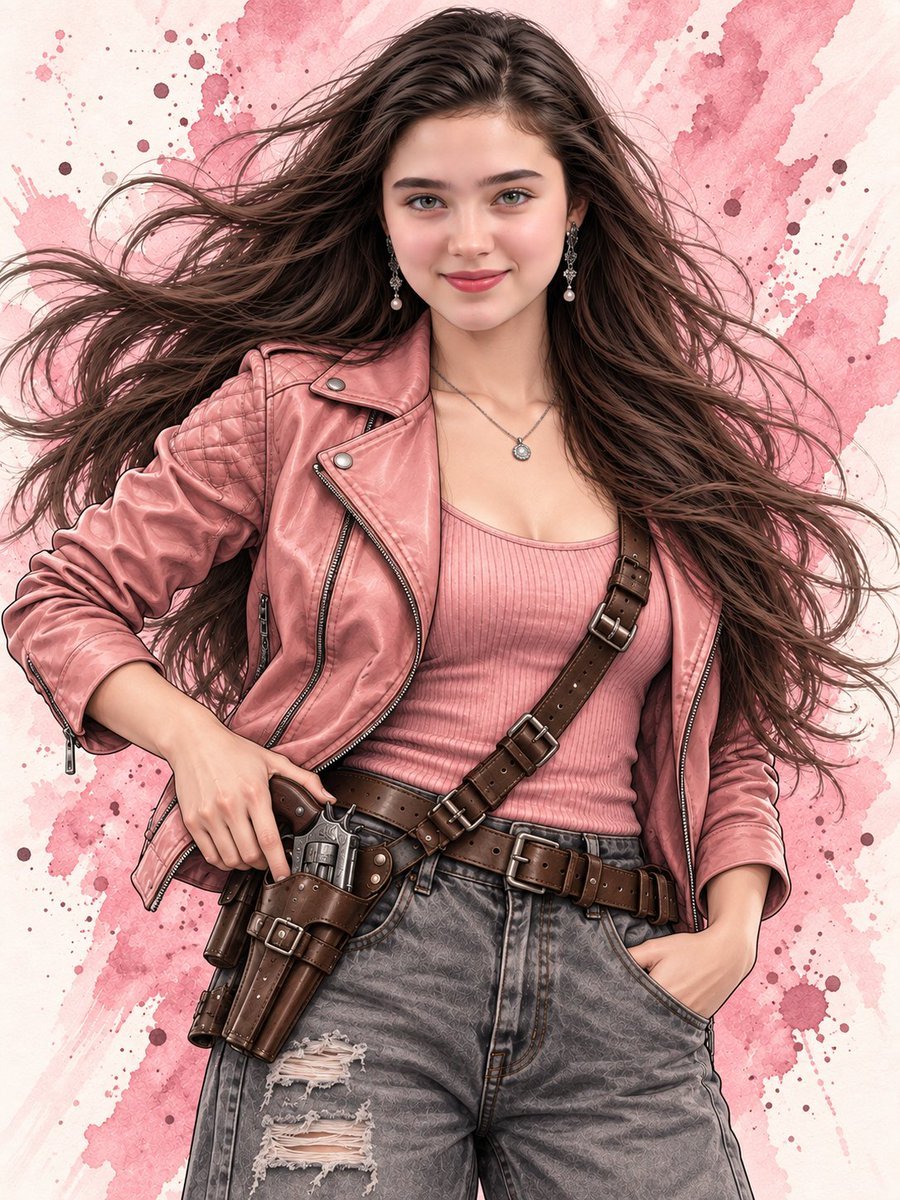
AI Photo Generation Guide
1. Open Gemini / Grok / GPT Image 2.0 2. Upload your photo 3. Copy the prompt 4. Generate 5. Prompt ⤵️ https://t.co/ufvHABxbuM
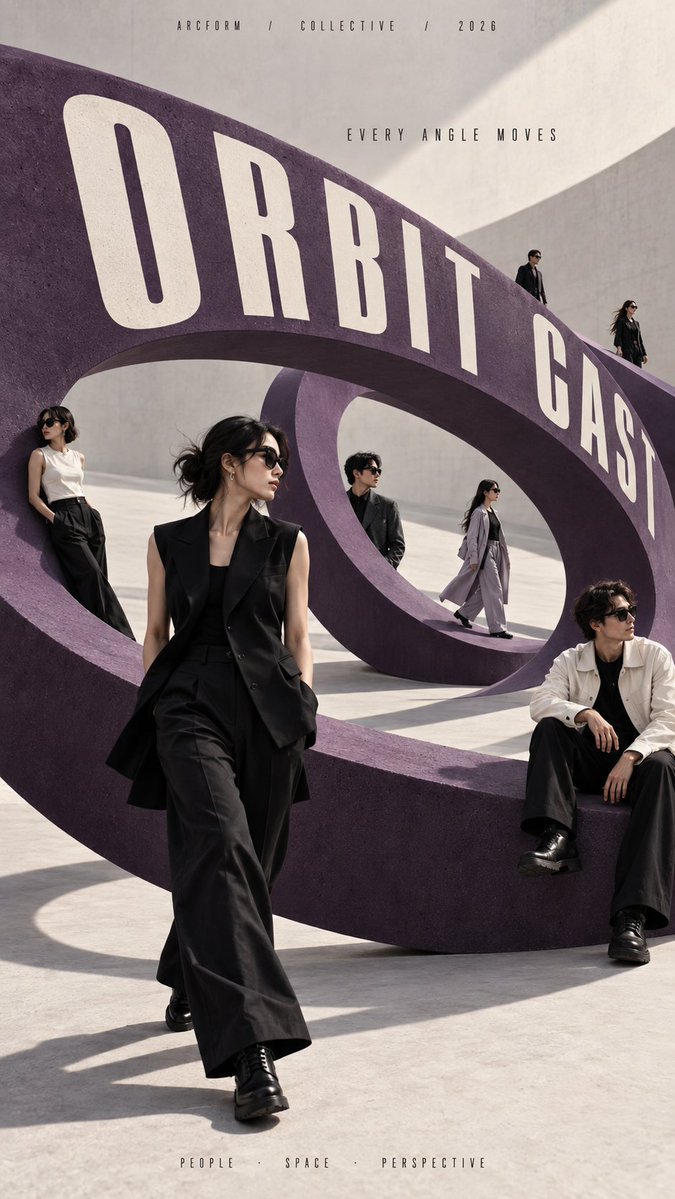
Depth in Image Generation
🤯 Images 2.5 is so good at building depth!
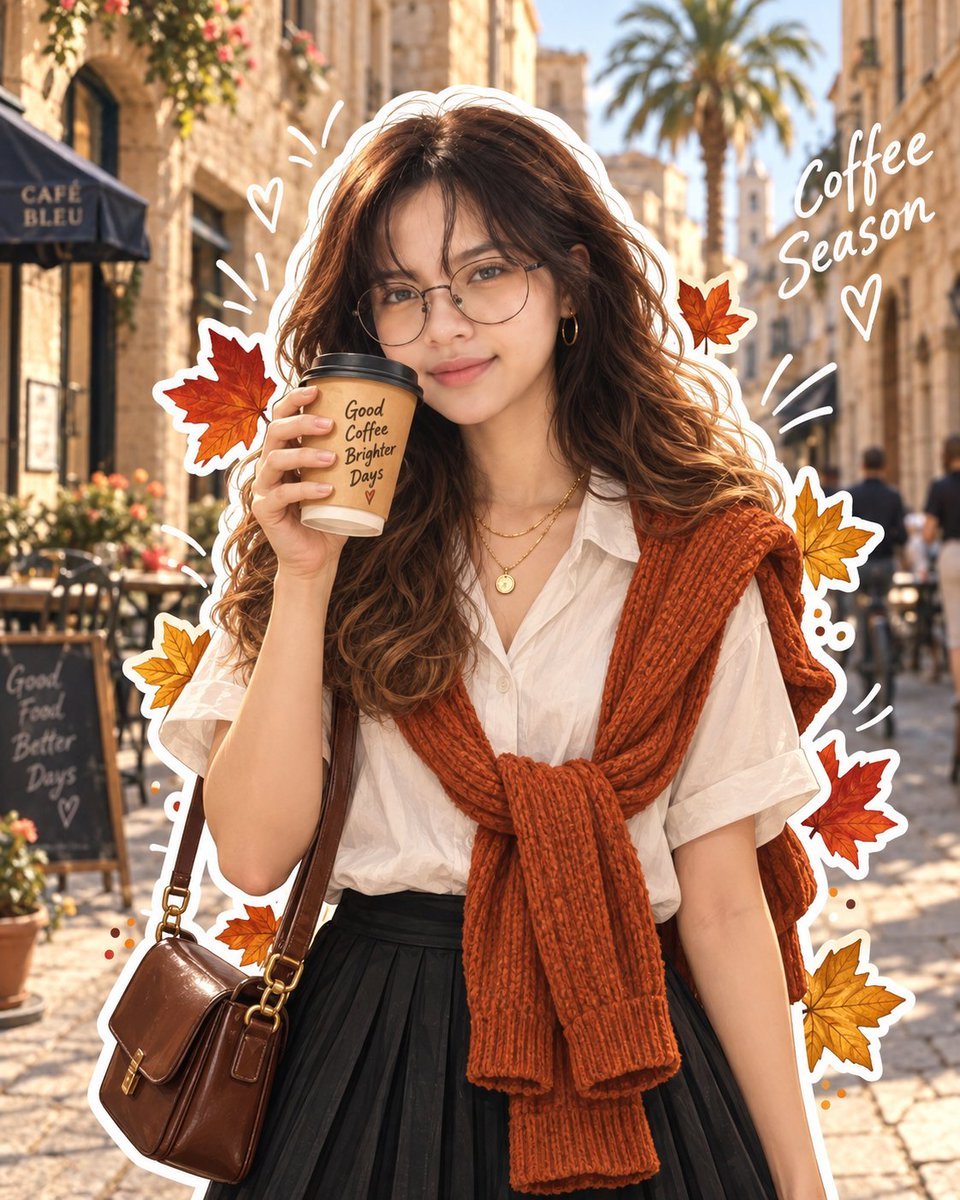
AI Sticker-Cutout Photo Effect
How to get this viral sticker-cutout photo effect with AI GPT image 2 on chatgpt Prompt👇 https://t.co/Re6oPaU3zv
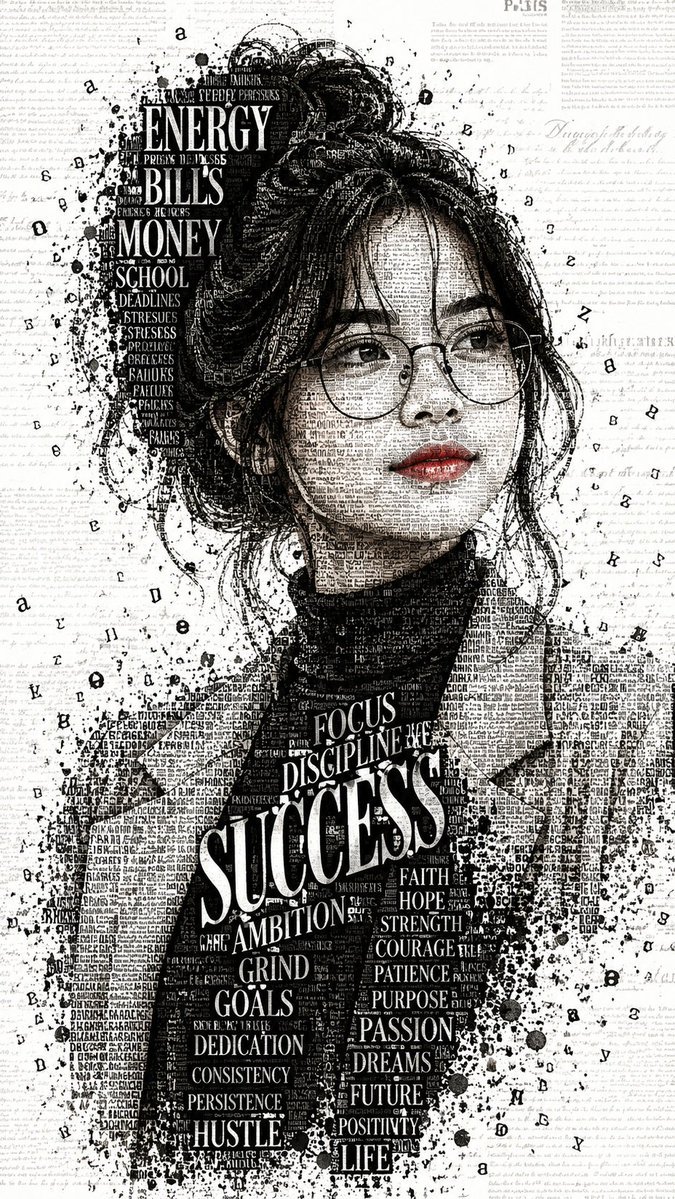
Photo made of words
Your photo, but made entirely from words 🤯👇 ① Open Gemini / Grok / GPT Image 2.0 ② Add your photo ③ Paste the prompt ④ Generate.
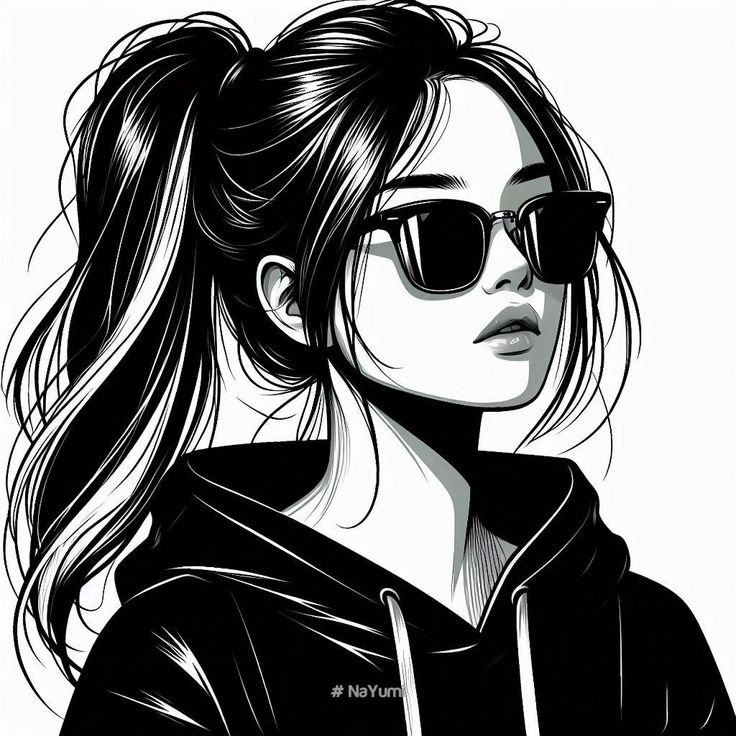
Photo to Hand-Drawn Art
Turn your photo into a hand-drawn masterpiece ✍️🖤 ① Upload your photo ② Copy this prompt ③ Generate ④ Done.
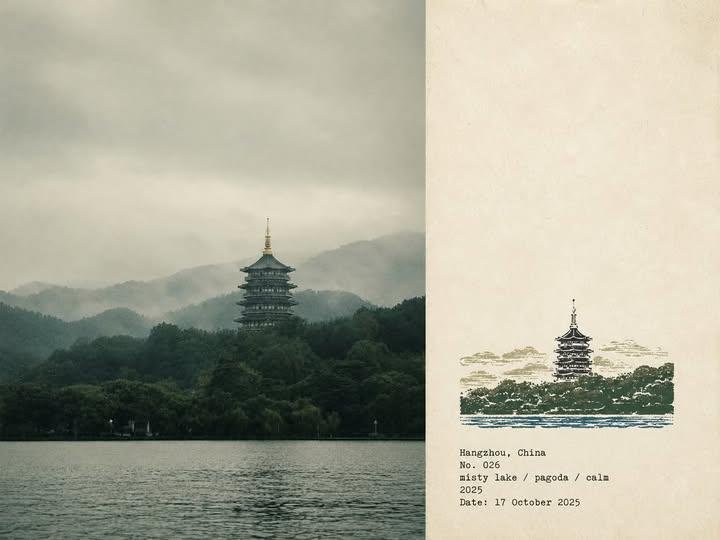
Rubber Stamp Travel Field Notes Poster
GPT image 2 on chatgpt Prompt👇 Please create a separate "Rubber Stamp Travel Field Notes Poster" for each photo I upload, outputting each
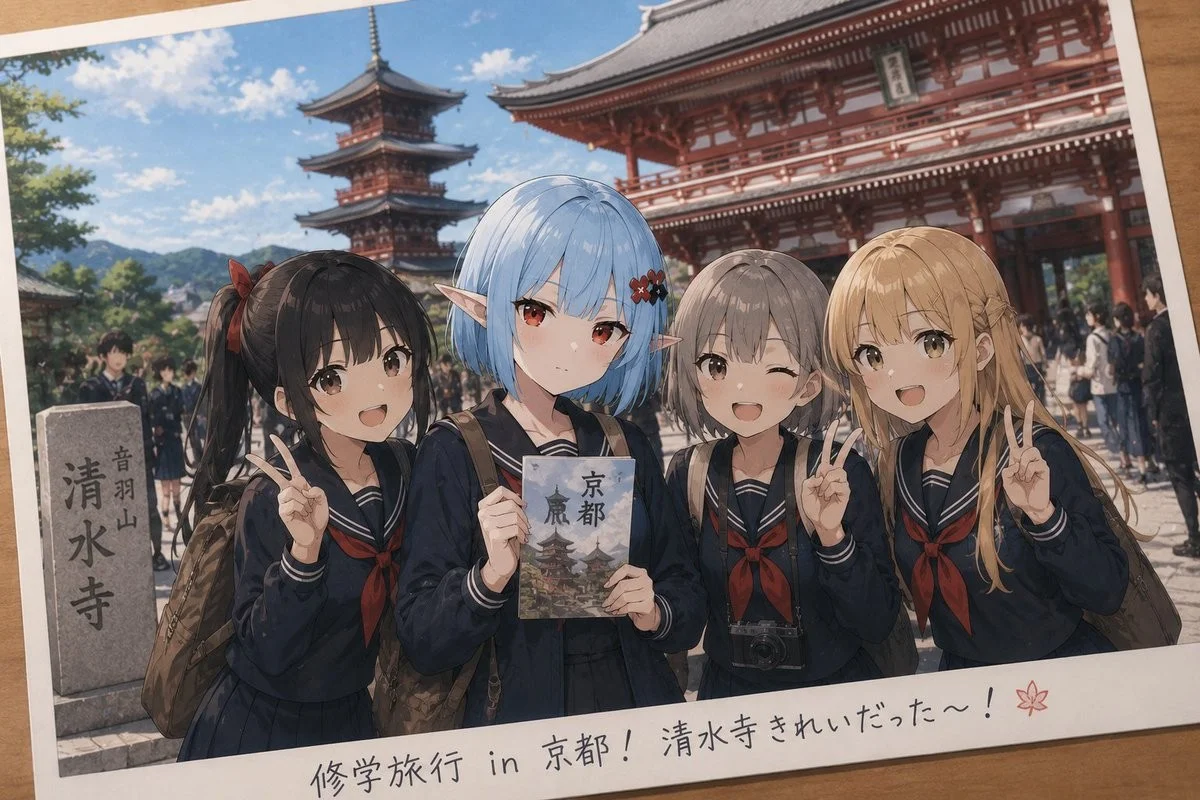
Event Photo Synthesis Illustration
Generate a single illustration based on the school trip photos.
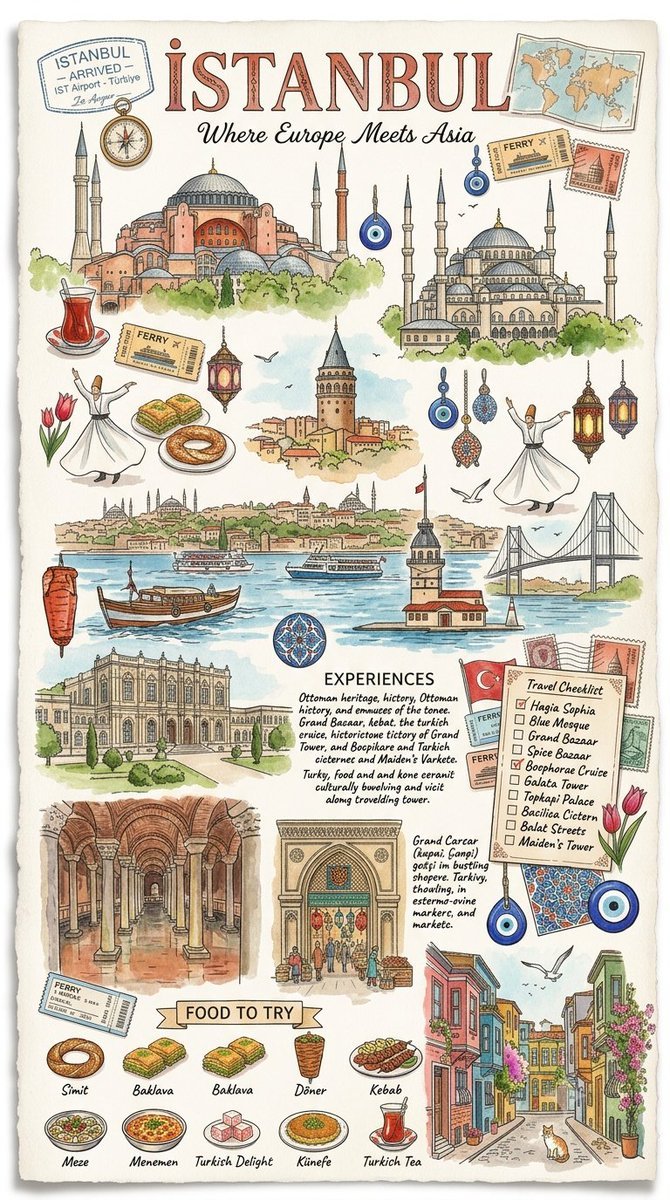
Istanbul Travel Journal Collage
Image created on Gpt 2 Prompt: Ultra-realistic hand-painted watercolor travel collage with soft ink outlines, vintage travel journal

Indian Wedding Invitation Card
"एक भव्य भारतीय डिजिटल वेडिंग इनविटेशन कार्ड (Digital Wedding Invitation Card)। बैकग्राउंड में हल्के गुलाबी और सुनहरे रंग के पर्दे
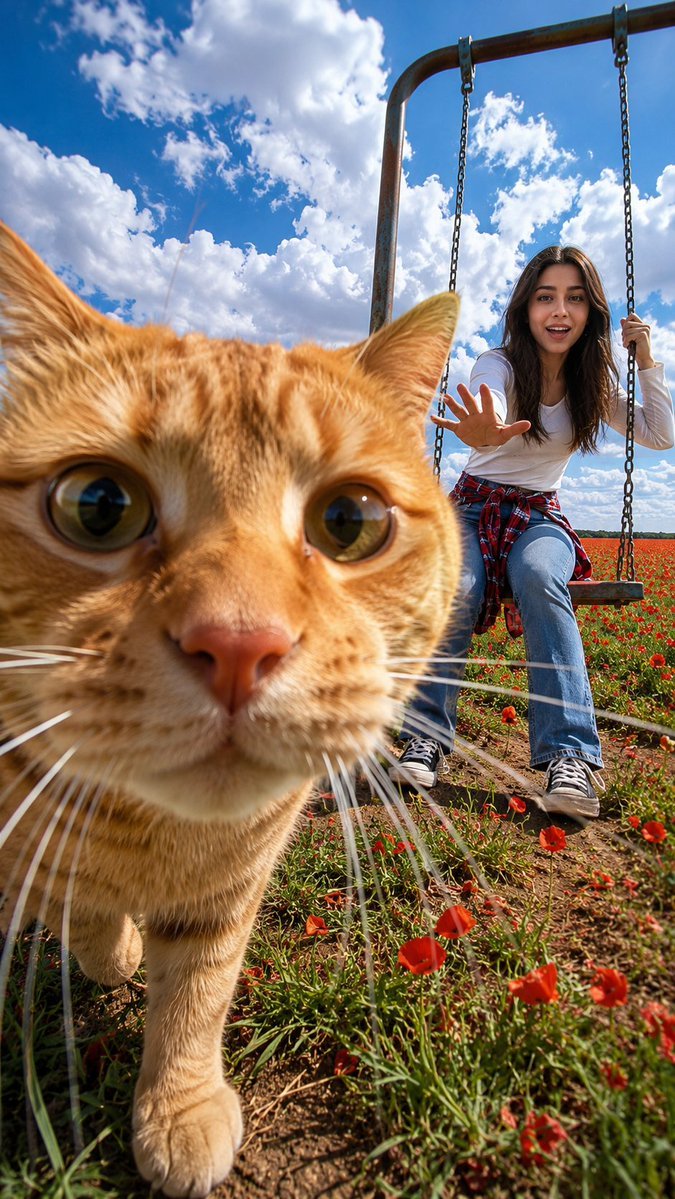
Cat Ruins Photo
GPT Image 2 on ChatGPT Prompt: Use the uploaded reference image as the primary facial reference.