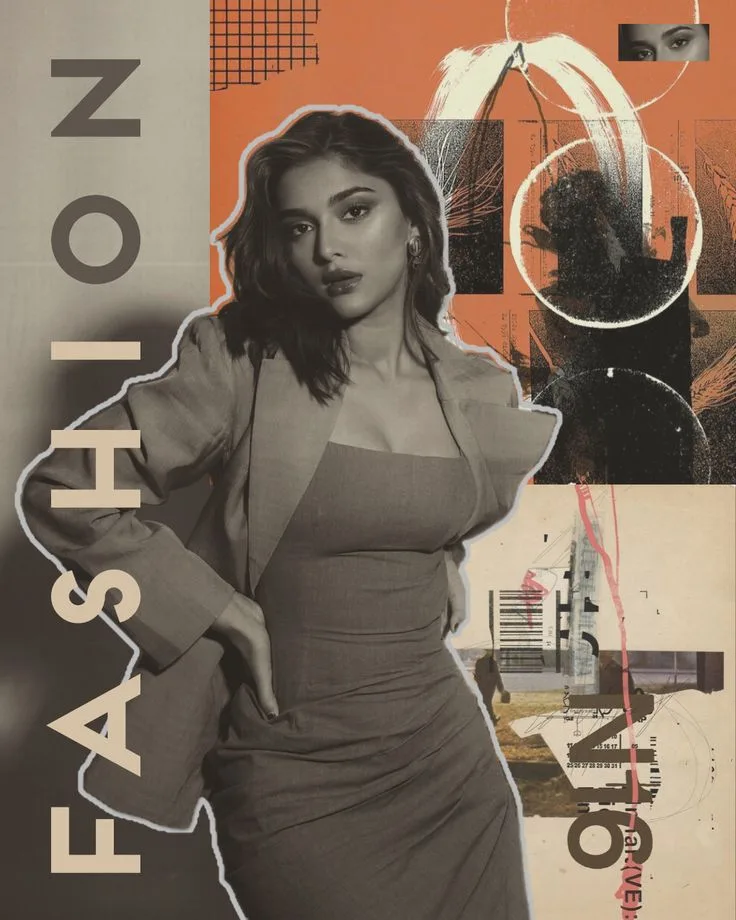
Editorial Fashion Collage Poster
来源: @rehman
这条提示词生成的画面:Editorial Fashion Collage Poster。
适用模型:ChatGPT。
可以从提示词确定的画面信息:three-quarter。
可以改的一个变量:写实 look。
如何使用这条提示词
- 适用模型:ChatGPT。
- 画面主体:Editorial Fashion Collage Poster。
- 改一个变量:写实 look。
0 浏览 · 0 复制 · 0 收藏 · 0 讨论
0提示词
今日剩余 1 / 1 次免费复制
Use the uploaded user photo as the **ONLY and STRICT source of the human subject’s identity**. Preserve the exact recognizable person with maximum fidelity: facial structure, proportions, face shape, forehead, eyebrows, eyes, nose, lips, mouth, jawline, cheekbones, chin, skin tone, natural skin texture, hairline, hair characteristics, facial hair if present, age, and every distinctive facial feature. **DO NOT copy, blend, replace, beautify, redesign, or reinterpret the identity of the reference person.** Do not slim, enlarge, age, de-age, feminize, masculinize, or alter the user’s identity. The uploaded photo defines **WHO the person is**; the reference image defines **HOW that person appears in the scene**. Preserve the user’s gender and recognizable identity regardless of the reference subject.
Recreate the reference as a **vertical 3:4 high-fashion editorial collage poster** with a sophisticated retro-modern magazine aesthetic. The main subject is a large monochrome fashion portrait positioned slightly left of center, extending from the head to approximately the upper-thigh/hip area. The subject overlaps a beige left panel and the burnt-orange collage background on the right. The overall design should look like a tactile printed fashion magazine, combining realistic portrait photography with paper cut-outs, distressed graphics, typography, architectural fragments, hand-drawn elements, grids, and vintage screen-print textures.
**POSE & BODY:** Reproduce the reference pose precisely. The subject stands confidently with the torso mostly facing the camera while slightly rotated into a relaxed three-quarter orientation. The upper body leans subtly toward the viewer’s left. One shoulder is slightly raised while the opposite shoulder relaxes backward. The arm on the viewer’s left bends outward at the elbow, creating a strong angular silhouette, with the hand resting naturally at the waist/upper hip. The opposite arm travels downward beside the torso and bends so the hand rests near the opposite hip/waist, partly obscured by the clothing. Maintain natural anatomy, realistic shoulders, arms, hands, fingers, waist, and proportions. The pose should create an elegant S-shaped editorial silhouette without changing the user’s natural body structure.
**HEAD, EXPRESSION & GAZE:** Use the reference image—not the uploaded photo—for head position, expression, emotion, and gaze. Keep the head mostly facing the camera with a subtle three-quarter orientation. The chin is gently lowered. The eyes are open and directed directly or almost directly toward the camera. Eyebrows are relaxed, with a calm, serious, confident editorial expression. The mouth is closed or slightly parted with relaxed lips and absolutely no smile. Recreate the reference’s poised, mysterious, self-assured emotional quality. **Do not inherit the user photo’s original smile, expression, gaze, or head angle.** The user’s identity remains unchanged while the reference determines the expression and visual behavior.
**HAIR & STYLING:** Preserve the user’s natural hairline, texture, density, and identity-defining characteristics while adapting the hairstyle into a polished fashion-editorial appearance inspired by the reference. Do not change recognizable hair characteristics merely to imitate the reference model. Style naturally with controlled volume and soft movement where compatible with the uploaded person.
**CLOTHING:** Recreate the reference fashion styling: an oversized structured blazer with broad shoulders and long sleeves, worn open over a fitted minimalist inner garment with a straight or softly squared neckline. The lower garment should appear fitted and body-skimming, with subtle gathering/ruched fabric around the waist and hips. Use muted neutral tones with a sophisticated monochrome appearance. Keep accessories minimal and refined, such as small hoop-style earrings only when naturally compatible with the user’s appearance. No logos or distracting decorations.
**MAIN SUBJECT TREATMENT:** Render the subject primarily in muted black-and-white/soft sepia grayscale with realistic skin texture and detailed facial features. Surround the entire portrait silhouette with an irregular pale gray/white hand-cut outline, resembling a physical paper cut-out. Add a very subtle warm-orange edge/shadow in places where the cut-out meets the background. The portrait must remain photorealistic despite the collage treatment.
**BACKGROUND:** Divide the design into two dominant vertical areas. The left approximately quarter of the image is a muted warm gray-beige paper-texture panel with subtle grain, aged fibers, faded tonal variation, and soft shadowing. The right approximately three-quarters is a desaturated burnt-orange/terracotta paper background with distressed ink, scratches, fibers, faded printing, and analog imperfections.
**LEFT TYPOGRAPHY:** On the beige left panel, place oversized uppercase editorial typography spelling **“FASHION”** vertically. Arrange the individual letters dramatically down the column rather than on one horizontal baseline. Use a bold geometric sans-serif/grotesk style. Most letters should be dark charcoal-gray, while selected lower letters are warm cream/beige. The letters should be very large and partially hidden or overlapped by the subject’s silhouette, creating a layered magazine-cover composition. Do not introduce unrelated readable words.
**UPPER BACKGROUND GRAPHICS:** Near the top-left of the orange area, add a cropped black drafting/grid pattern made from thin straight lines. Behind the subject, layer experimental black-and-white rectangular textures, rough brush marks, abstract botanical/feather-like drawings, halftone noise, scanned print artifacts, and architectural fragments.
In the upper-right background, recreate a large rough cream/white fashion illustration of a woman’s head with flowing hair, created from loose painted/screen-printed strokes and partially cropped by the top edge. This illustration is a graphic element only and must not reproduce the reference person’s identity. Add a thin looping white hand-drawn line around it, descending into a large imperfect white circular outline surrounding a dense black abstract textured shape.
At the extreme top-right, include a small horizontal black rectangular editorial image containing a generic cropped grayscale close-up of eyes and eyebrows. It must not reproduce the identity of the reference model. Surround it with subtle technical lines, faint printing marks, microtype, and abstract design fragments.
**LOWER-RIGHT COLLAGE:** Build the lower-right section from overlapping cream, black, gray, and muted photographic rectangles. Include abstract dark circular/oval textures, rough brush marks, architectural/industrial fragments, scaffolding-like structures, barcode-style stripes, drafting diagrams, thin circles, measurement marks, torn photographic pieces, and faded gray/olive imagery. Add one or two irregular muted red/pink hand-drawn strokes crossing the cream architectural panel. Use only tiny illegible microtype or decorative editorial markings. Near the lower-right edge, include a large dark cropped typographic/numeral-like graphic element and narrow vertical experimental lettering as secondary design details.
**LIGHTING:** Use soft controlled studio portrait lighting similar to a broad diffused key light from the front/upper-front direction. Create gentle highlights on the forehead, cheeks, nose bridge, lips, collarbones, blazer, and chest, with soft shadows beneath the jaw, hair, blazer folds, and waist. Avoid harsh beauty lighting, excessive skin smoothing, artificial glow, or glossy retouching. Preserve natural skin texture.
**CAMERA & COMPOSITION:** Use an approximately eye-level camera with intimate fashion-editorial framing, equivalent to roughly a 50–70mm full-frame lens. Keep perspective natural with minimal distortion. The subject dominates the composition and is positioned left of center. The head sits around the upper third, while the lower body is cropped around the upper-thigh/hip region. Do not make the subject tiny, full-body, centered symmetrically, or isolated from the collage.
**COLOR & FINISH:** Use a restrained palette of charcoal black, faded grayscale, warm beige/cream, muted terracotta/burnt orange, and very subtle dusty red accents. Apply tactile paper grain, halftone texture, faded ink, analog film grain, imperfect edges, screen-print noise, scratches, and slight print misregistration. The result should feel like a premium experimental fashion magazine or art-zine poster: sophisticated, vintage, tactile, artistic, layered, and intentionally imperfect rather than digitally sterile.
**CRITICAL IDENTITY RULE:** The final subject must remain unmistakably the exact person from the uploaded photo. The reference image controls only the **pose, body positioning, head orientation, facial expression, emotion, gaze, clothing concept, composition, typography, background, lighting, color palette, and artistic treatment**. Never reproduce the reference person’s identity. If the user photo conflicts with the reference expression, use the reference expression while preserving the user’s facial anatomy. If the user photo has a different gaze or head position, use the reference gaze and head position. Maintain realistic anatomy, accurate hands and fingers, believable clothing folds, natural skin detail, coherent shadows, and seamless integration of the photographic subject into the graphic collage. **Priority order: 1) USER PHOTO = IDENTITY, 2) REFERENCE = EXPRESSION/EMOTION/GAZE/HEAD POSE, 3) REFERENCE = BODY POSE/COMPOSITION, 4) REFERENCE = CLOTHING/ENVIRONMENT/GRAPHICS, 5) REFERENCE = LIGHTING/CAMERA/STYLE.**
相似提示词
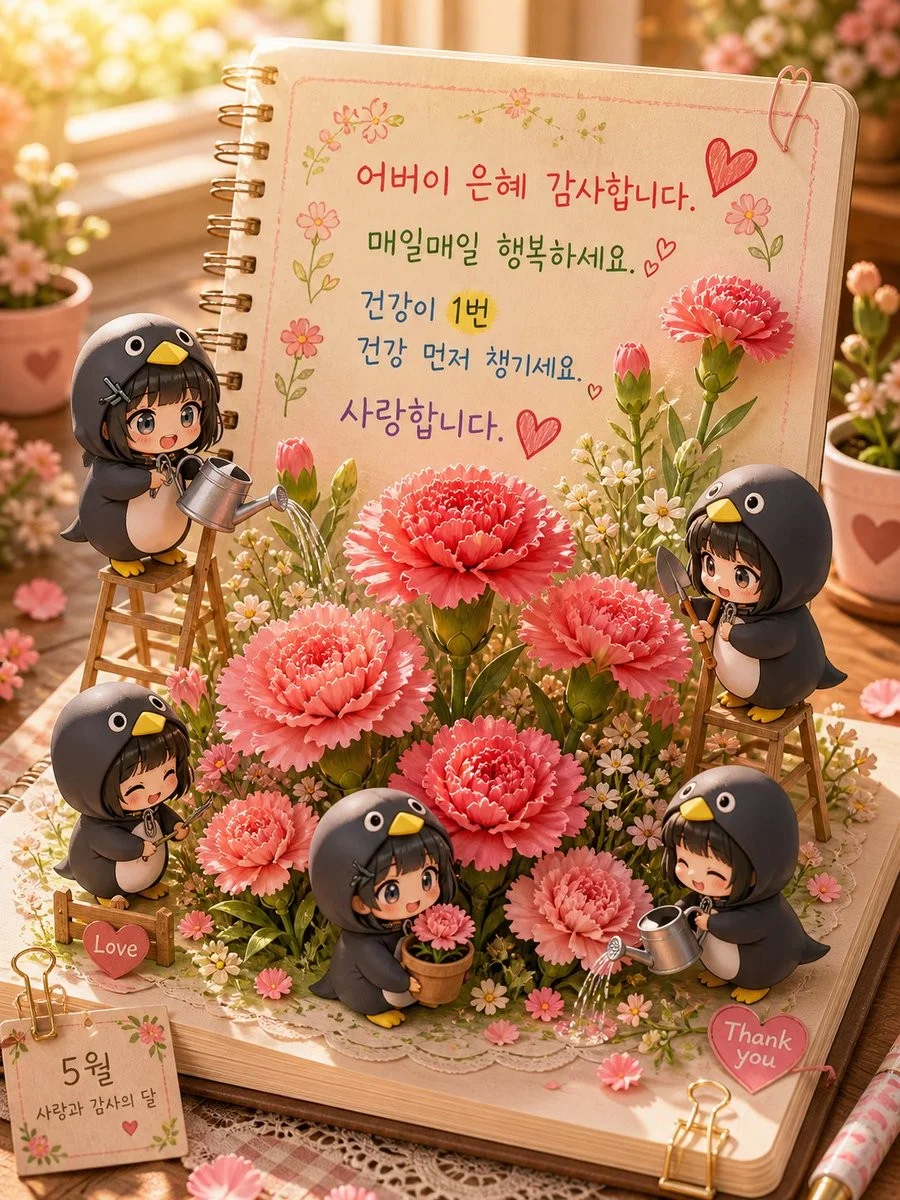
3D Pop-up Parents Day Card
3D 노트 위 꽃이 입체적으로 피어나는 장면, 첨부된 사진의 미니 캐릭터들이 물주고 가꾸는 모습, {argument name="날씨" default="따뜻한 5월 햇살"}, 캐리커처 스타일, 밝고 사랑스러운 분위기, 실제 꽃처럼 디테일하게,
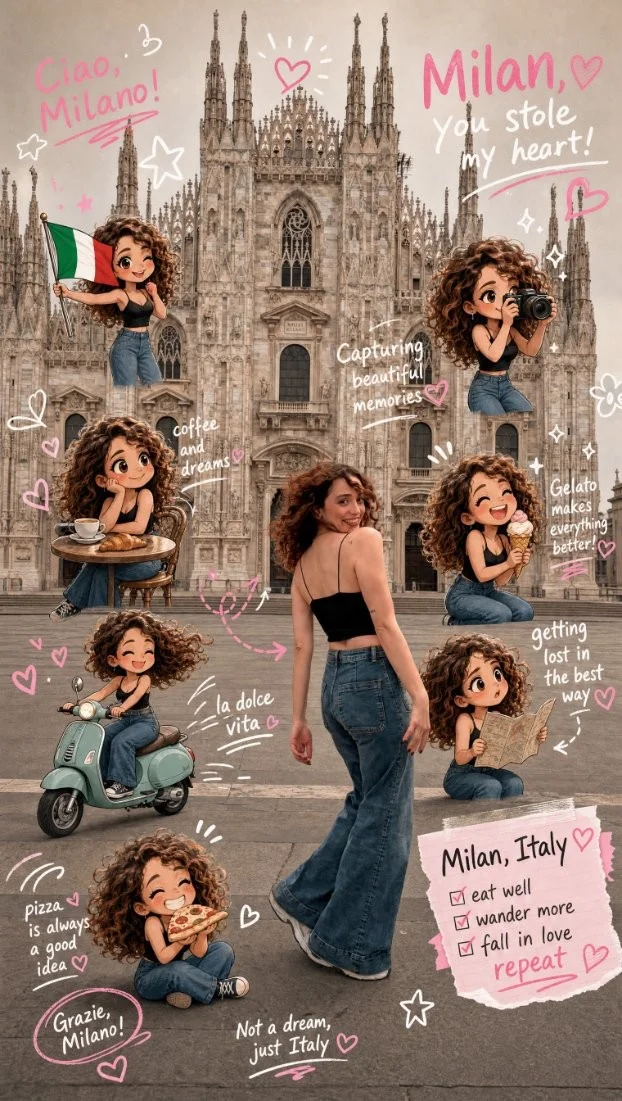
Chibi Scrapbook Photo Transformation
remove the people around the main character, Add multiple small, cute chibi-style “mini versions” of her around the image.
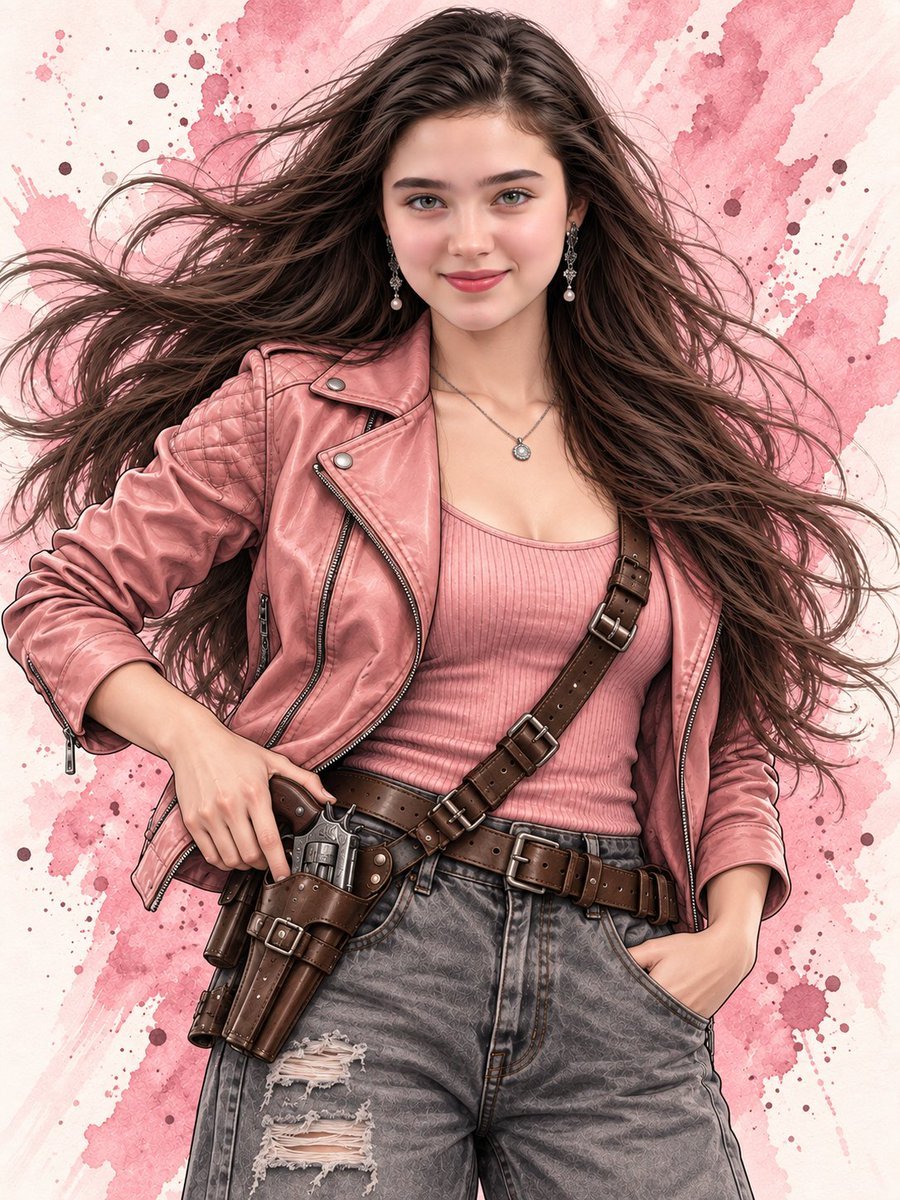
AI Photo Generation Guide
1. Open Gemini / Grok / GPT Image 2.0 2. Upload your photo 3. Copy the prompt 4. Generate 5. Prompt ⤵️ https://t.co/ufvHABxbuM
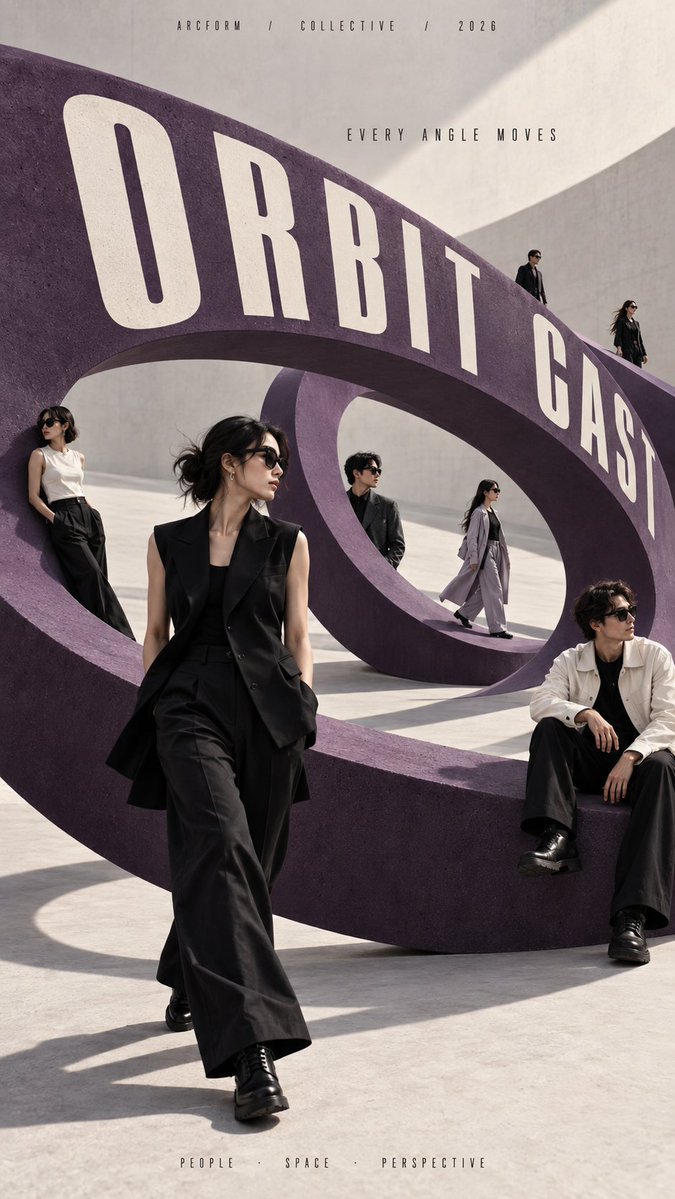
Depth in Image Generation
🤯 Images 2.5 is so good at building depth!
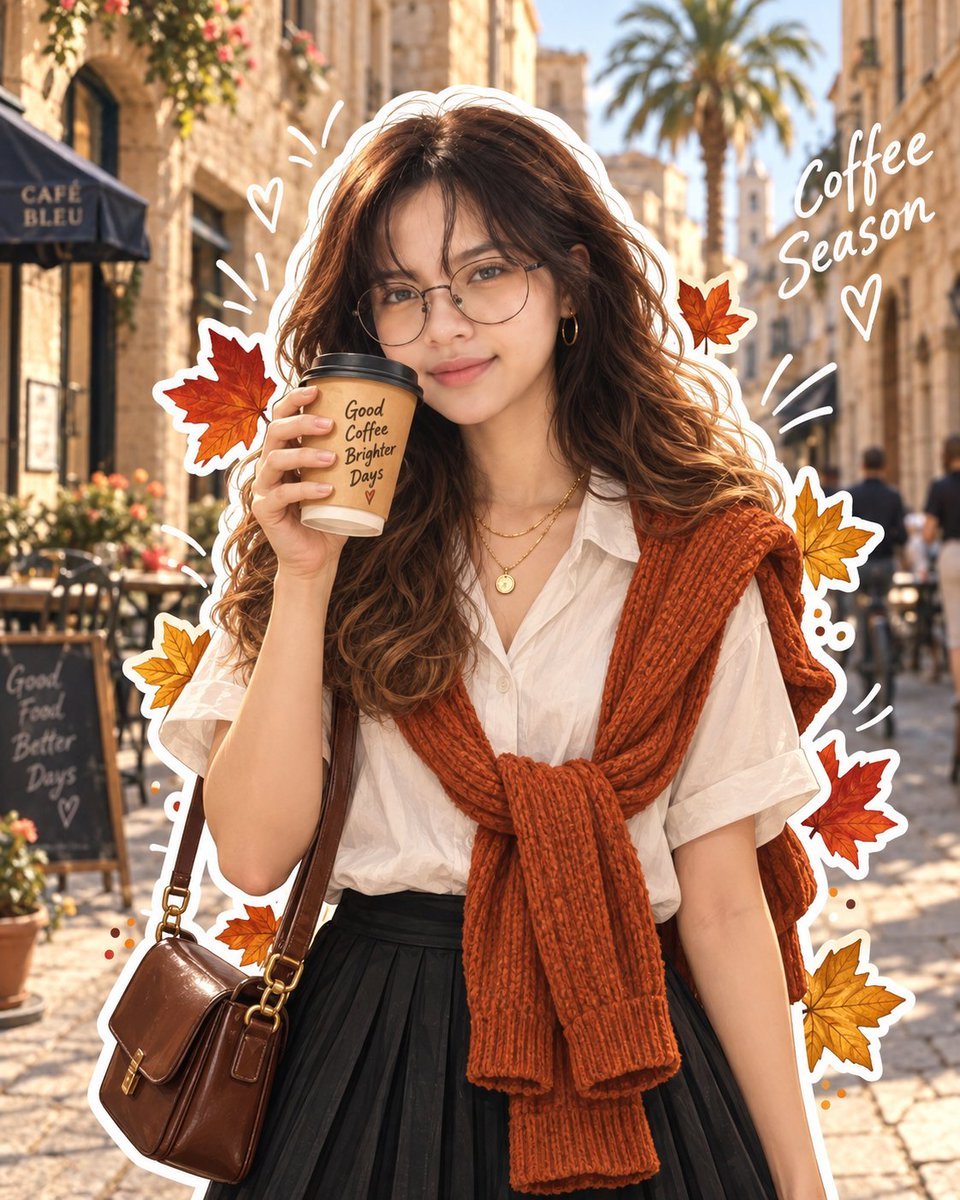
AI Sticker-Cutout Photo Effect
How to get this viral sticker-cutout photo effect with AI GPT image 2 on chatgpt Prompt👇 https://t.co/Re6oPaU3zv
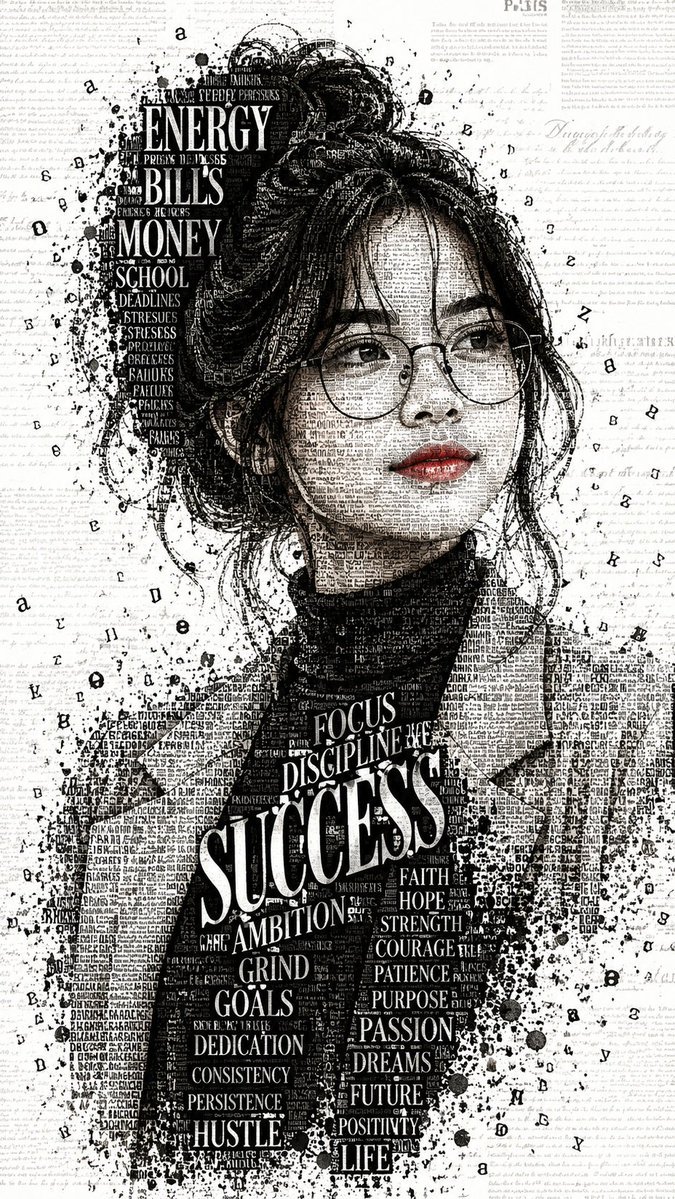
Photo made of words
Your photo, but made entirely from words 🤯👇 ① Open Gemini / Grok / GPT Image 2.0 ② Add your photo ③ Paste the prompt ④ Generate.
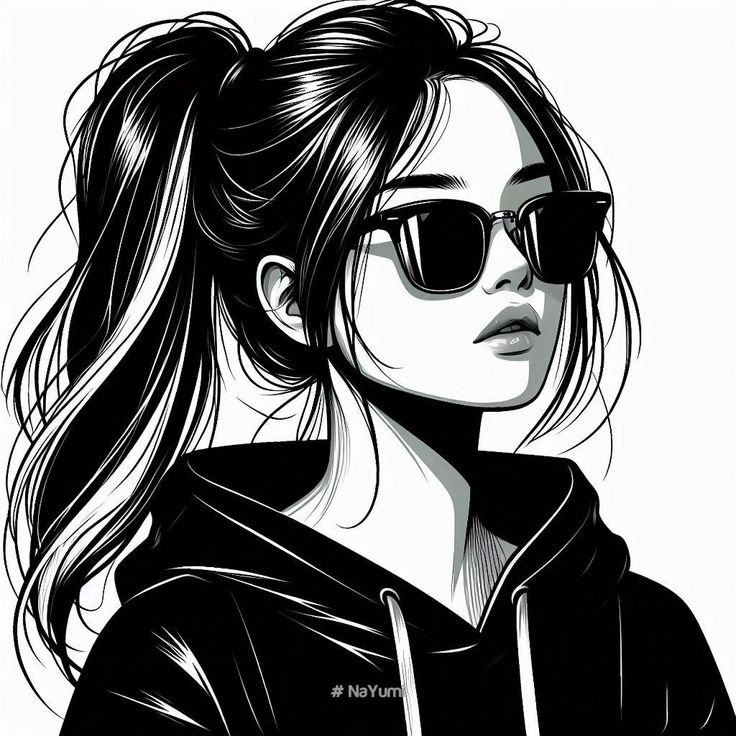
Photo to Hand-Drawn Art
Turn your photo into a hand-drawn masterpiece ✍️🖤 ① Upload your photo ② Copy this prompt ③ Generate ④ Done.
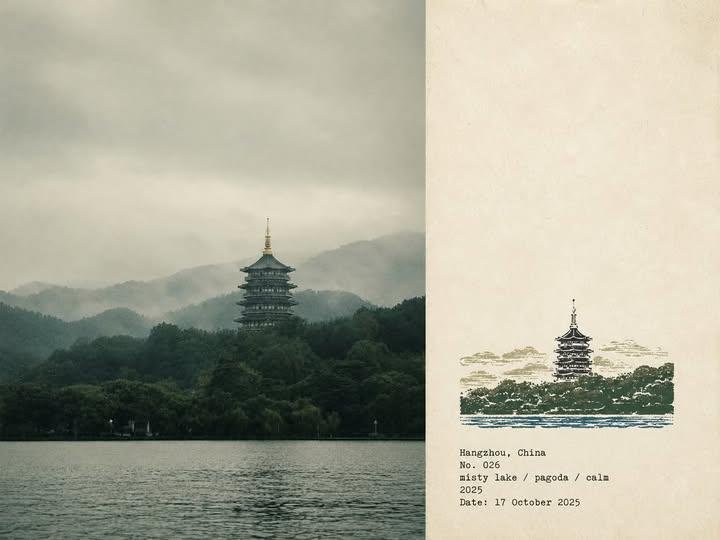
Rubber Stamp Travel Field Notes Poster
GPT image 2 on chatgpt Prompt👇 Please create a separate "Rubber Stamp Travel Field Notes Poster" for each photo I upload, outputting each
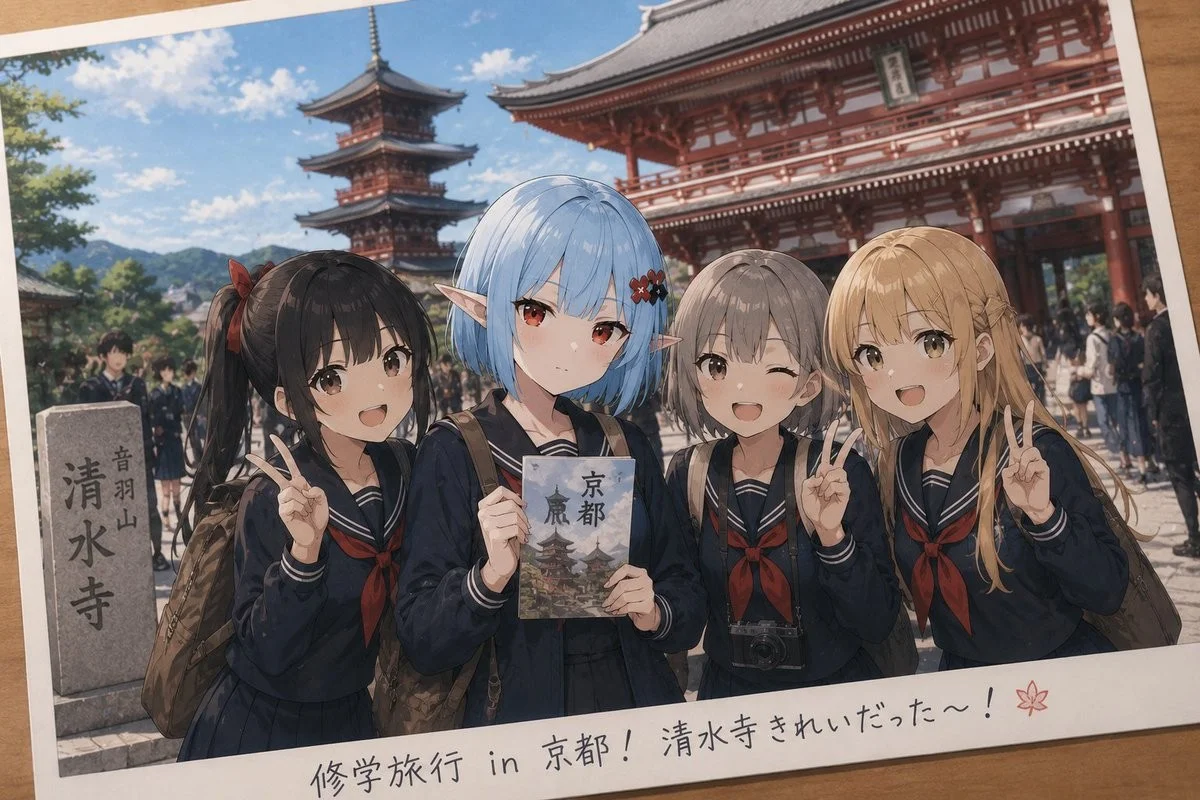
Event Photo Synthesis Illustration
Generate a single illustration based on the school trip photos.
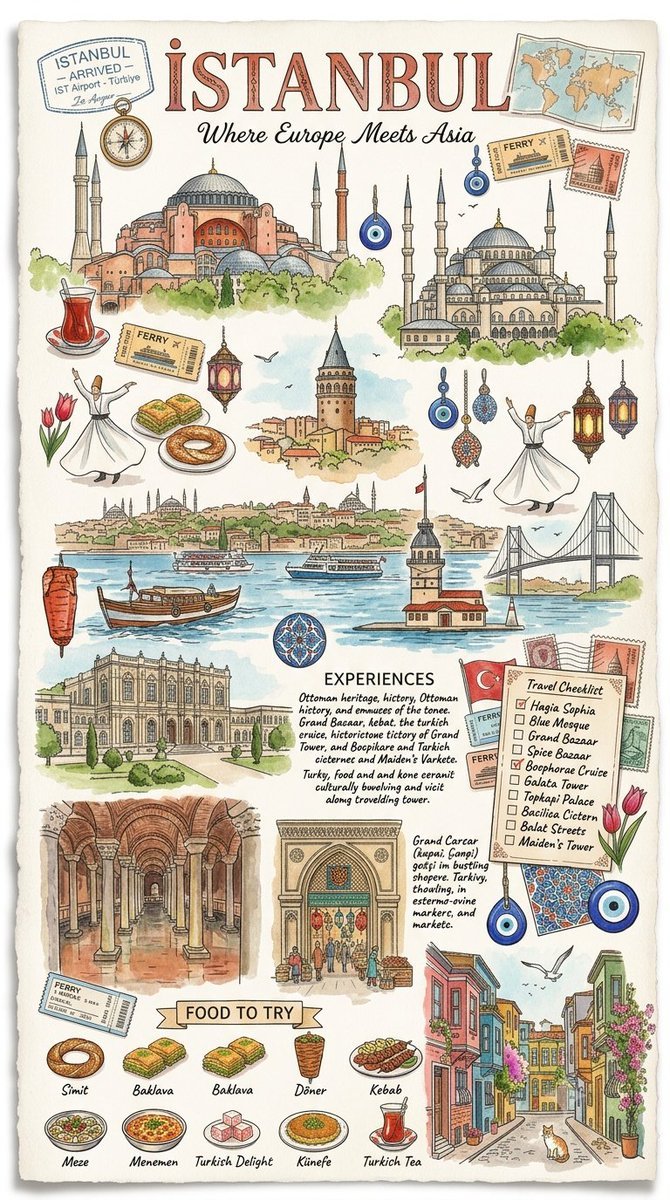
Istanbul Travel Journal Collage
Image created on Gpt 2 Prompt: Ultra-realistic hand-painted watercolor travel collage with soft ink outlines, vintage travel journal
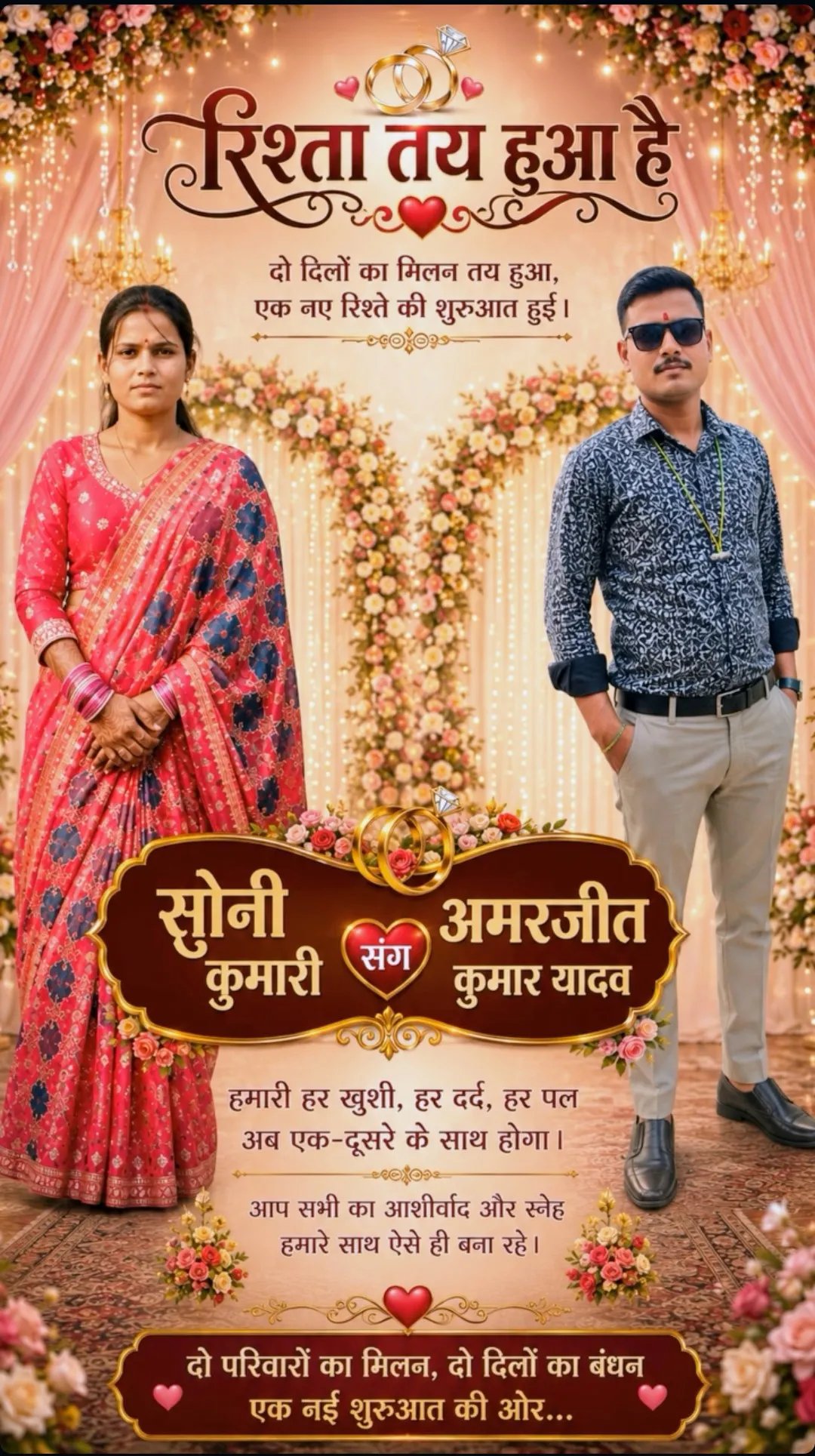
Indian Wedding Invitation Card
"एक भव्य भारतीय डिजिटल वेडिंग इनविटेशन कार्ड (Digital Wedding Invitation Card)। बैकग्राउंड में हल्के गुलाबी और सुनहरे रंग के पर्दे
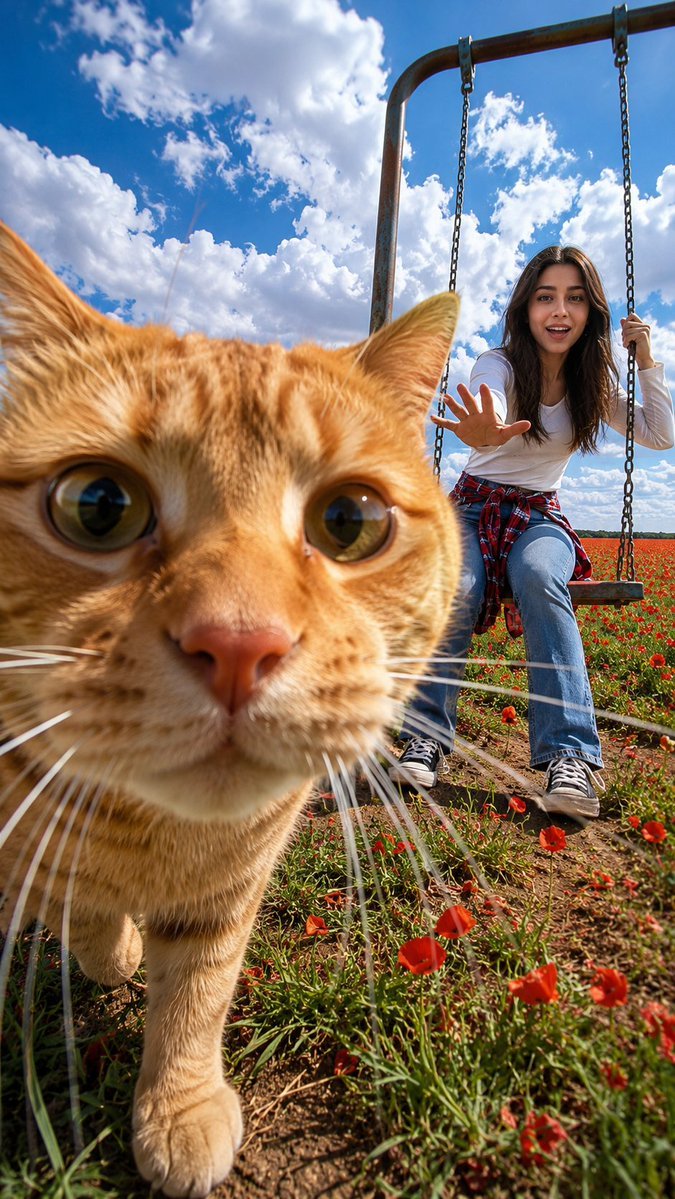
Cat Ruins Photo
GPT Image 2 on ChatGPT Prompt: Use the uploaded reference image as the primary facial reference.