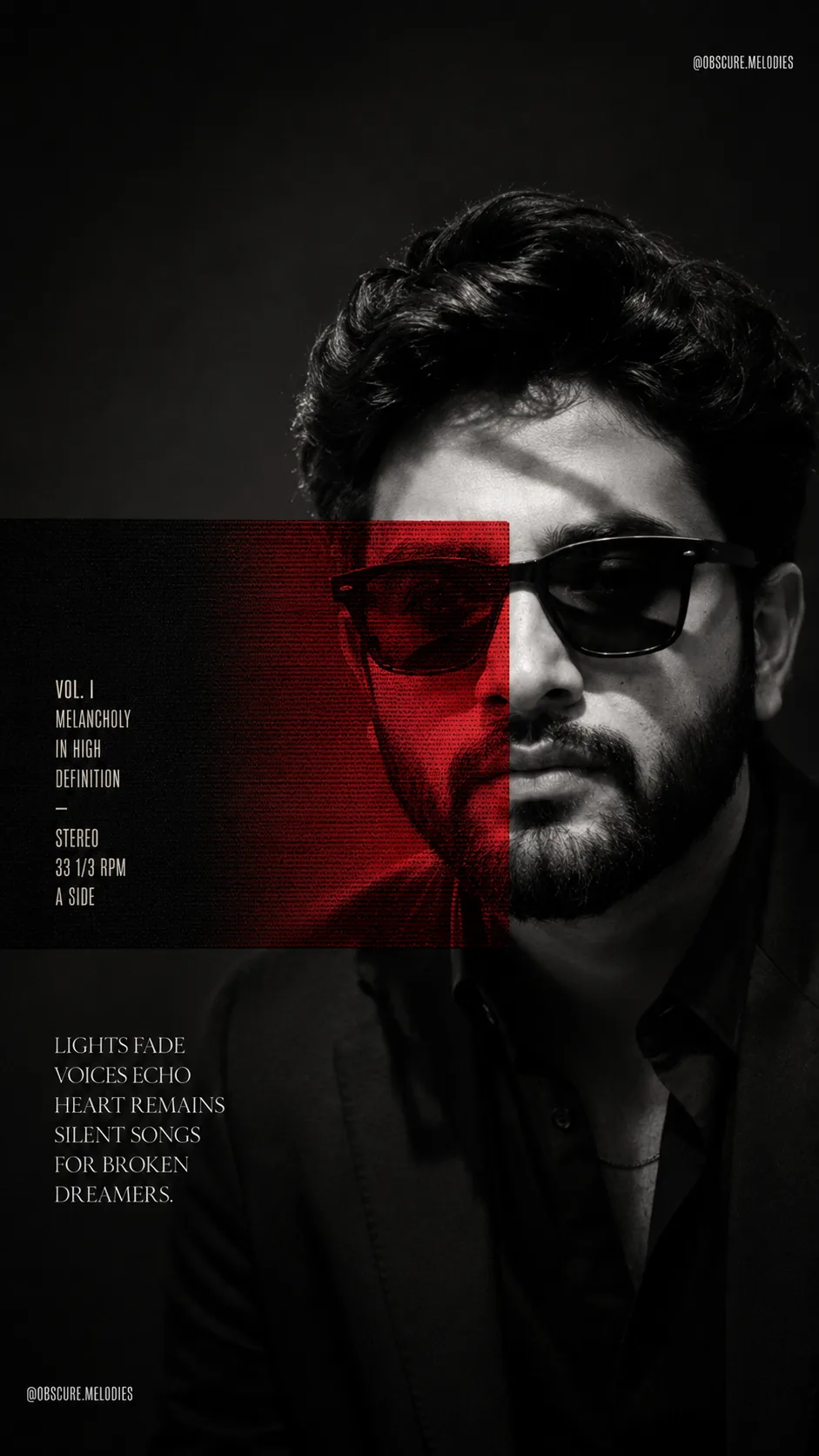
Obscure Melodies: Silent Songs
来源: @rehman
这条提示词生成的画面:Obscure Melodies: Silent Songs。
适用模型:ChatGPT。
可以从提示词确定的画面信息:close-up。
可以改的一个变量:写实 look。
如何使用这条提示词
- 适用模型:ChatGPT。
- 画面主体:Obscure Melodies: Silent Songs。
- 改一个变量:写实 look。
0 浏览 · 0 复制 · 0 收藏 · 0 讨论
0提示词
今日剩余 1 / 1 次免费复制
Use the uploaded user photo as the ONLY and STRICT source of the human subject’s identity. Preserve the exact recognizable person from the uploaded photo with maximum fidelity: facial structure, facial proportions, face shape, forehead, eyebrows, natural eye shape, nose, lips, mouth structure, jawline, cheekbones, chin, skin tone, natural skin texture, hairline, hair characteristics, facial hair if present, age, and every distinctive facial characteristic. DO NOT replace the user with the person shown in the reference image, and do not make the user resemble the reference person. The uploaded photo determines WHO the subject is; the reference image determines HOW that person appears in the final artwork. Preserve the user’s identity even if the reference subject has a different gender, ethnicity, hairstyle, facial hair, or physical appearance. Reconstruct the reference composition, expression, emotion, gaze, head position, styling, lighting, typography placement, and overall visual treatment around the user’s identity. Create a vertical luxury editorial music-cover/poster portrait in a 9:16 composition, closely recreating the reference image. The main subject is a large, extremely close-up black-and-white head-and-shoulders portrait occupying most of the right and center-right portion of the frame. The subject faces almost directly toward the camera with a very subtle three-quarter orientation, head upright with only a slight natural tilt, shoulders relaxed, neck visible, and upper torso fading into darkness toward the bottom. The framing is tight: the top of the hair approaches the upper portion of the image, the face dominates the right half, and the lower crop extends into the upper chest/shoulders. Reproduce the reference subject’s serious, emotionally restrained, introspective expression: relaxed forehead, slightly focused eyebrows, calm but intense eyes, closed relaxed lips, no smile, no exaggerated emotion. The gaze is directed straight toward the camera/viewer, with both eyes clearly visible on the uncovered portion of the face and an intense, contemplative editorial stare. Do not use the expression, gaze, or head pose from the user’s source photo; completely reconstruct them according to the reference. Preserve the user’s actual eye shape and facial anatomy while adapting them naturally into the reference expression. The portrait should feel masculine/feminine according to the uploaded identity, never forcing the reference subject’s gender presentation onto the user. The main portrait is rendered in rich monochrome black, charcoal, gray, and soft silver tones with strong tonal separation, realistic skin texture, subtle pores, natural facial detail, gentle film grain, deep shadows, and controlled highlights. Use dramatic low-key studio lighting: soft directional illumination from the front-right/front-center, illuminating the visible face with smooth grayscale gradients while allowing the hair, clothing, and far side of the body to fall into deep shadow. The background is a dark neutral gray-to-black studio environment with a subtle gradient and very little environmental detail, creating a premium cinematic atmosphere. The subject wears a dark, open jacket or dark outer garment over a bare or minimally visible upper chest/inner layer, matching the reference’s dark editorial styling while adapting naturally to the user’s identity and body anatomy. Avoid unnecessary accessories unless naturally compatible with the uploaded identity. The most important graphic element is a large rectangular album-cover-like panel positioned across the center-left and middle of the portrait. The rectangle extends from the left edge toward approximately the center of the image and vertically covers the central facial area. It is a clean, sharp-edged horizontal rectangle with a dark black/charcoal left section and a vivid deep-red section toward its right side. The rectangle intentionally overlaps and obscures the left half of the main portrait, creating a split-face visual effect. The right half of the user’s actual face remains visible in crisp black-and-white, while the left side is partially hidden beneath the graphic panel. Inside the red portion of the rectangle, create an abstract, heavily stylized monochrome/red-tinted duplicate-like interpretation of the user’s facial features, aligned approximately with the underlying face, but DO NOT introduce another person’s identity. The red facial treatment should function as a graphic overlay of the same user, with dark black shadows defining one eye, nose, lips, and cheek contours. Use a slightly pixelated/halftone printed texture in the red area, with subtle vertical scanline/print-grain details, creating a retro music-album aesthetic. The red panel should feel integrated with the portrait rather than appearing like a separate unrelated object. The rectangular panel has a soft, slightly darkened black gradient toward its left side. Within the left side of the rectangle, place compact stacked condensed editorial typography in a warm off-white/beige tone, positioned around the lower-middle-left area, vertically arranged in several short lines. Preserve the exact visual hierarchy, narrow uppercase font style, tight line spacing, alignment, scale, and placement seen in the reference, but replace identity-specific celebrity names, social handles, and other person-specific wording with neutral text or user-provided wording so the design does not assign the reference person’s identity to the uploaded subject. Keep typography secondary to the portrait and do not let text cover the visible right-side facial features. In the lower-left portion of the overall composition, below the large rectangular panel, place a vertical stack of multiple short uppercase lyric/title-style lines in an elegant serif editorial font, white/off-white against the black background. Preserve the same approximate left margin, line spacing, font scale, alignment, and overall text-block dimensions as the reference. Use placeholder editorial wording if no replacement text is provided; do not invent celebrity names or social handles. The text should feel like a premium alternative music album poster rather than a conventional advertisement. At the very bottom-left, include a small subtle white social-handle-style text element only as a generic placeholder, maintaining the reference placement and scale without reproducing the reference person’s identity. At the upper-right corner, include a tiny understated white editorial handle-style element in the same location and scale as the reference, but use a neutral placeholder rather than the reference person’s name. Maintain the large empty dark negative space in the upper-left and lower-left regions, balancing the enormous portrait with the graphic rectangle and typography. The composition must feel deliberately asymmetrical: the photographic face dominates the right side, the graphic album panel occupies the center-left, and typography anchors the lower-left. Do not center the subject conventionally. Do not create a full-body shot. Do not widen the framing. Do not remove the rectangular overlay. Do not move the red panel away from the face. Camera perspective should resemble a professional close-range portrait captured around eye level with a natural portrait lens approximately 70–100mm equivalent, producing realistic facial proportions, minimal distortion, shallow-to-moderate depth of field, and smooth background separation. Keep the face sharply detailed while allowing the shoulders and lower garment to gradually disappear into shadow and softness. Preserve natural anatomy, realistic skin texture, authentic hair texture, realistic facial asymmetry, and accurate proportions. Avoid beauty retouching, plastic skin, excessive sharpening, artificial symmetry, facial slimming, enlarged eyes, altered nose shape, altered lips, or any AI-beautification effect. The user must remain unmistakably the same person as in the uploaded photo. The reference’s dramatic visual language should be transferred without transferring its identity. Overall aesthetic: premium black-and-white cinematic fashion editorial, dark alternative music album artwork, sophisticated luxury magazine photography, moody monochrome portraiture, deep blacks, soft silver highlights, selective saturated crimson-red graphic treatment, subtle halftone printing, analog film grain, tactile paper/poster texture, restrained contrast, sophisticated negative space, emotionally intense atmosphere, minimalist art direction, photorealistic facial rendering, high-end professional photography, extremely detailed, natural skin, cinematic tonal range, 8K-quality detail. Ensure the final image reads as one cohesive designed poster: the grayscale portrait, black/red rectangular overlay, halftone face treatment, typography blocks, shadows, and background must align precisely and feel intentionally layered. Most importantly, preserve the uploaded user’s exact identity while reproducing the reference image’s serious expression, direct gaze, head position, close-up framing, split-face graphic treatment, dark monochrome atmosphere, red accent panel, editorial typography placement, and asymmetrical composition.
相似提示词
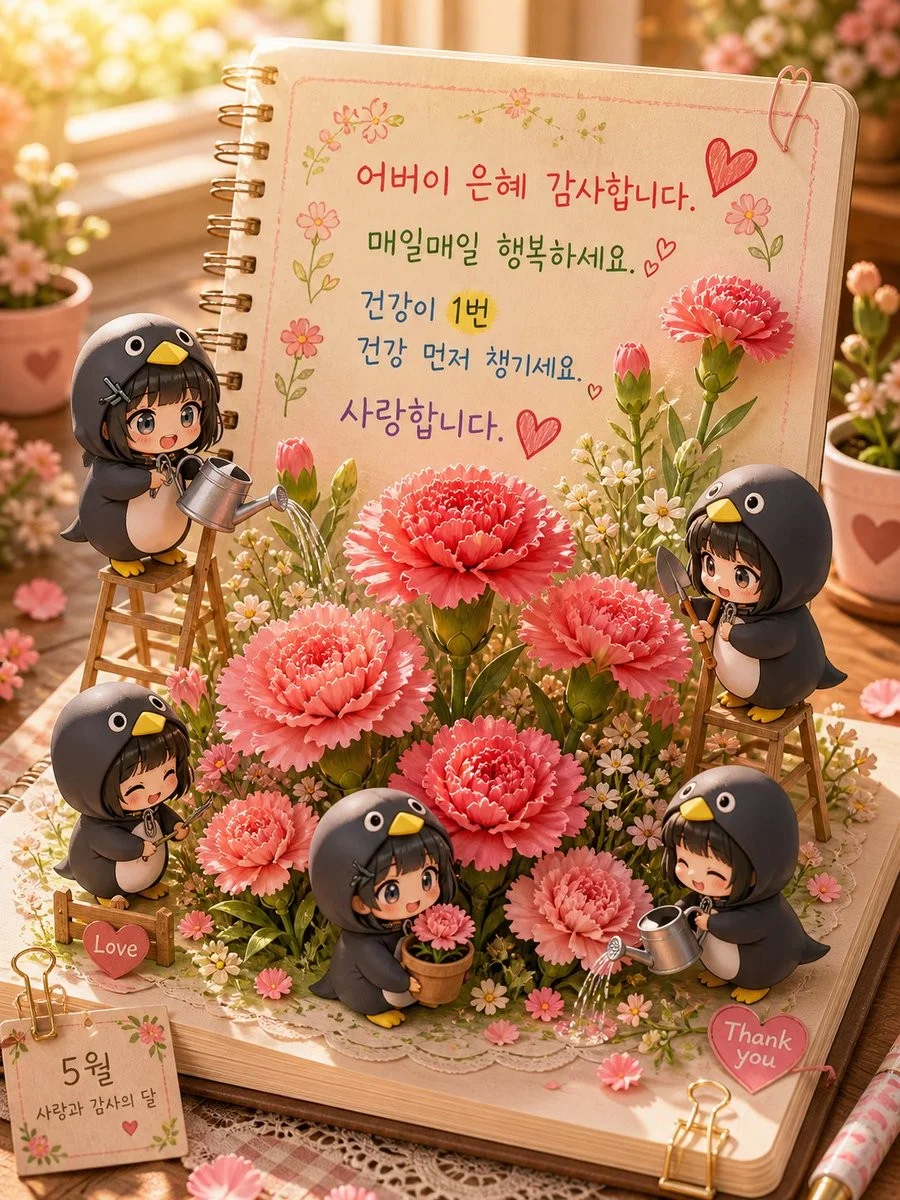
3D Pop-up Parents Day Card
3D 노트 위 꽃이 입체적으로 피어나는 장면, 첨부된 사진의 미니 캐릭터들이 물주고 가꾸는 모습, {argument name="날씨" default="따뜻한 5월 햇살"}, 캐리커처 스타일, 밝고 사랑스러운 분위기, 실제 꽃처럼 디테일하게,
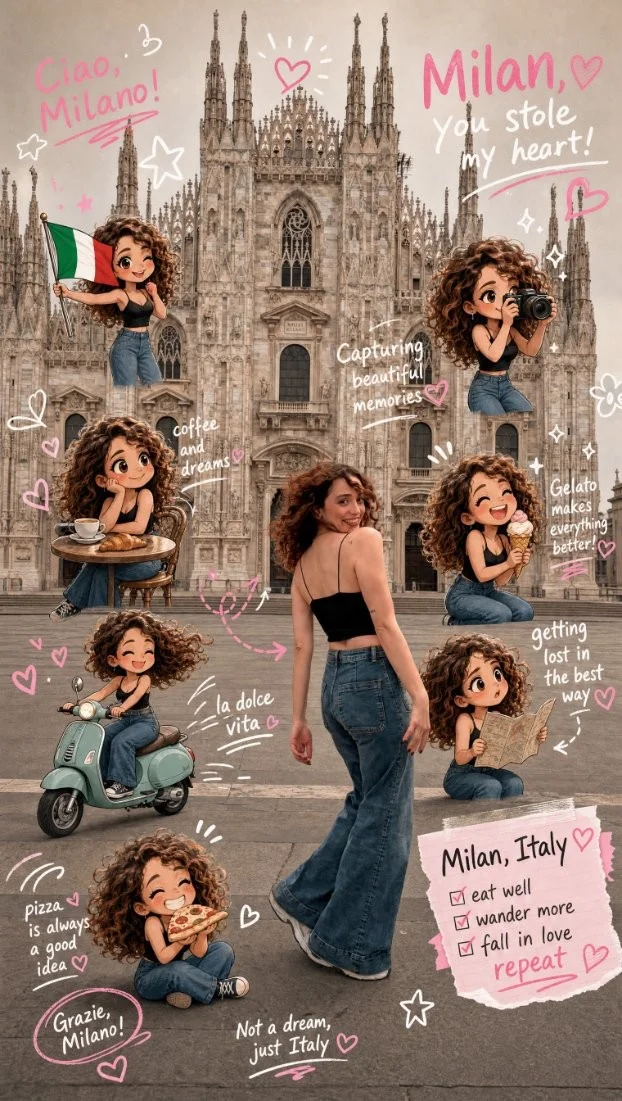
Chibi Scrapbook Photo Transformation
remove the people around the main character, Add multiple small, cute chibi-style “mini versions” of her around the image.
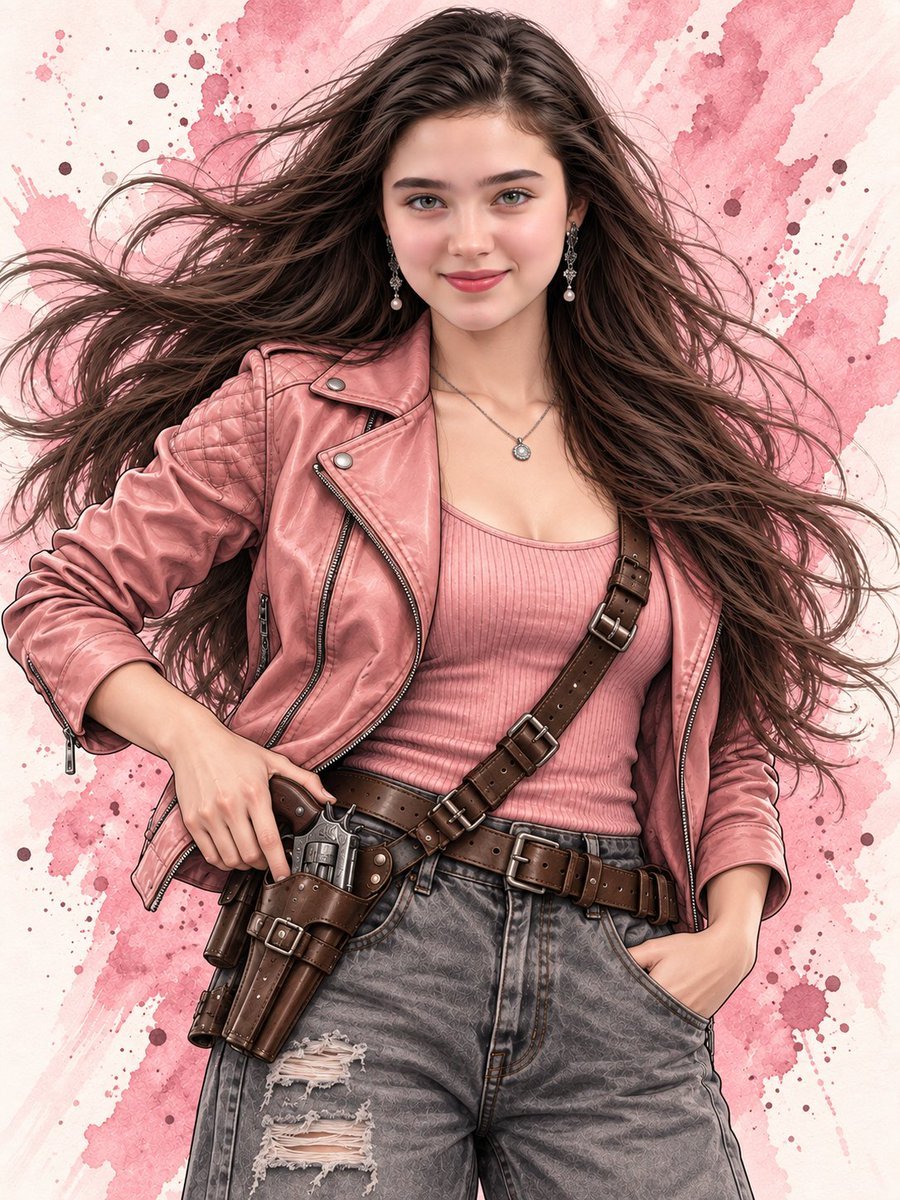
AI Photo Generation Guide
1. Open Gemini / Grok / GPT Image 2.0 2. Upload your photo 3. Copy the prompt 4. Generate 5. Prompt ⤵️ https://t.co/ufvHABxbuM
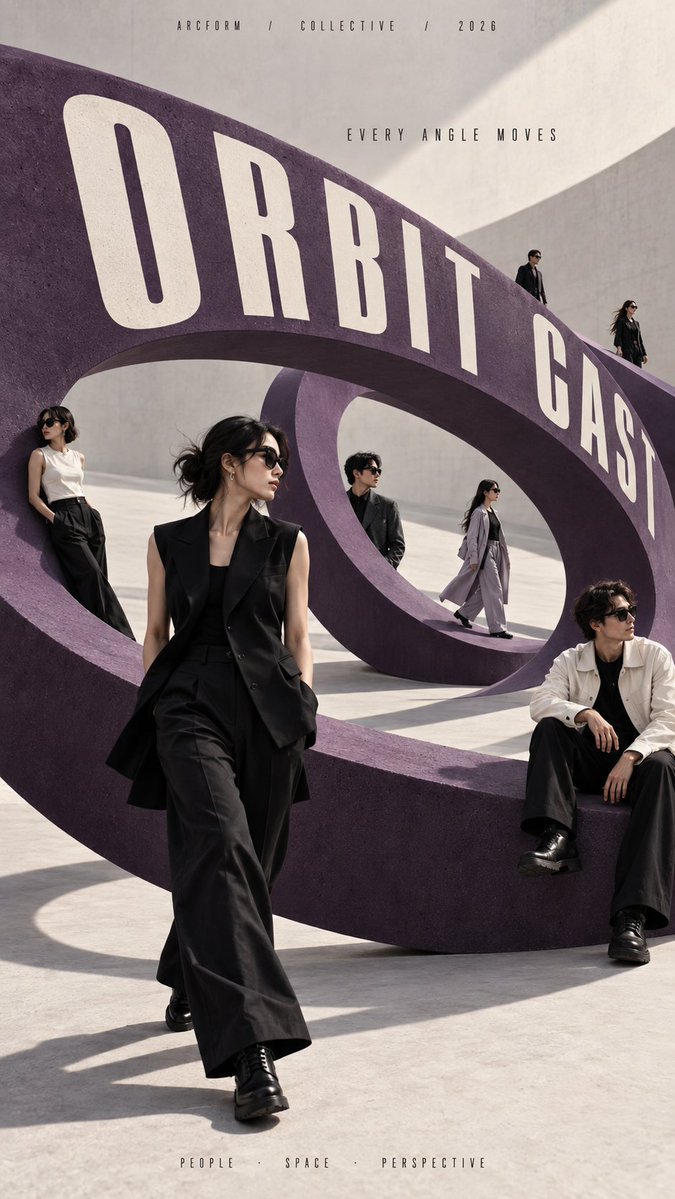
Depth in Image Generation
🤯 Images 2.5 is so good at building depth!
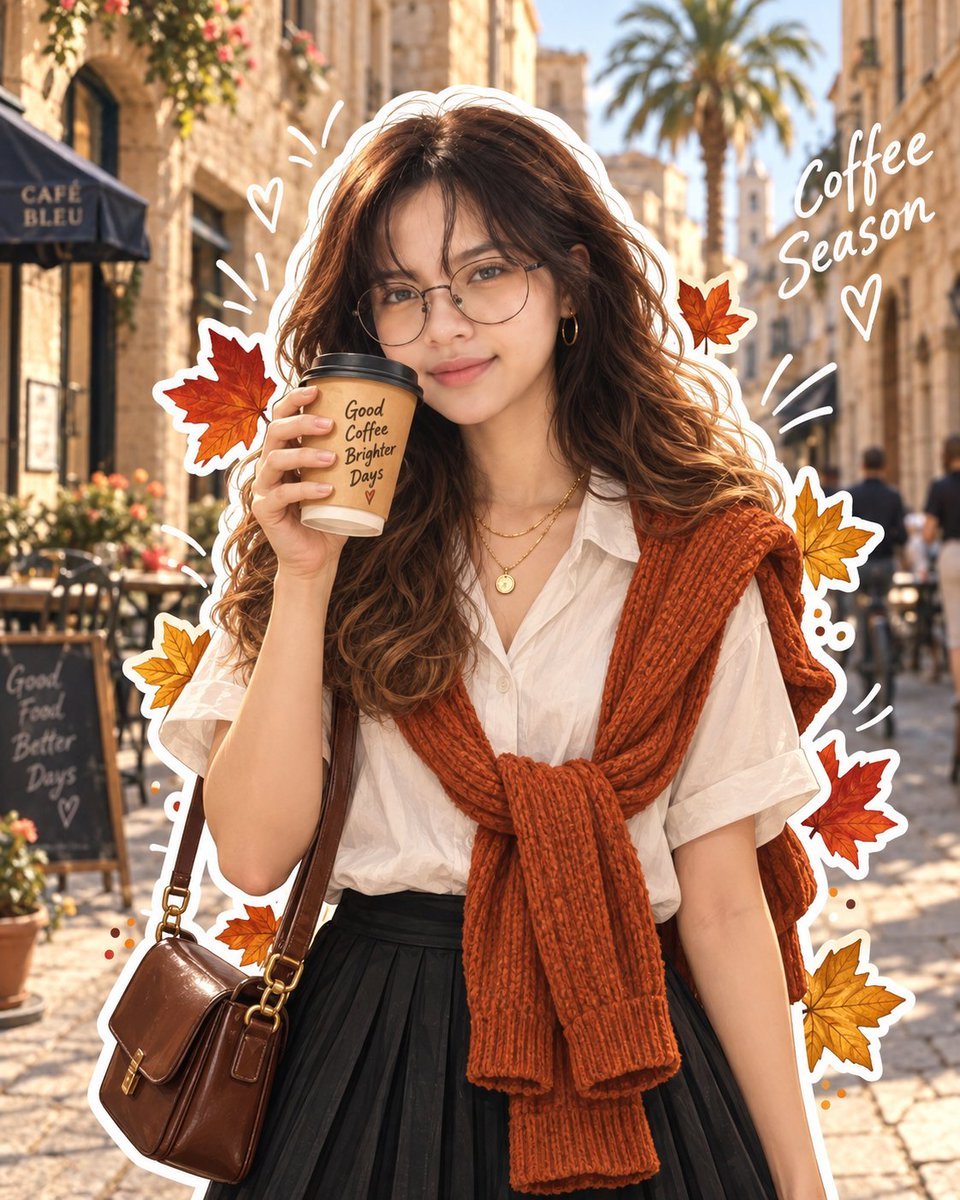
AI Sticker-Cutout Photo Effect
How to get this viral sticker-cutout photo effect with AI GPT image 2 on chatgpt Prompt👇 https://t.co/Re6oPaU3zv
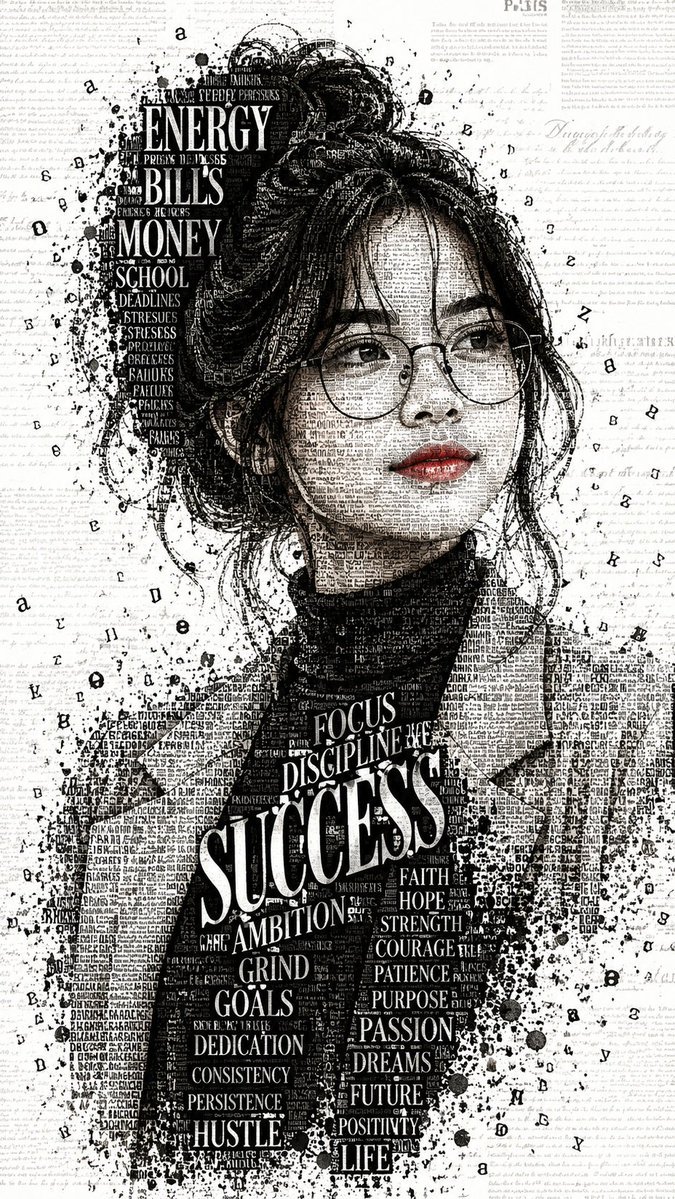
Photo made of words
Your photo, but made entirely from words 🤯👇 ① Open Gemini / Grok / GPT Image 2.0 ② Add your photo ③ Paste the prompt ④ Generate.
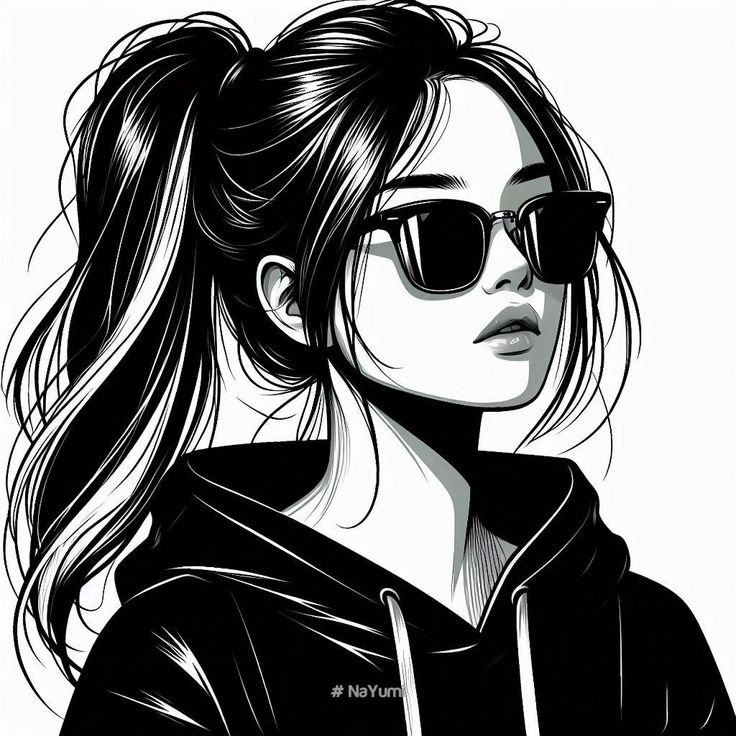
Photo to Hand-Drawn Art
Turn your photo into a hand-drawn masterpiece ✍️🖤 ① Upload your photo ② Copy this prompt ③ Generate ④ Done.
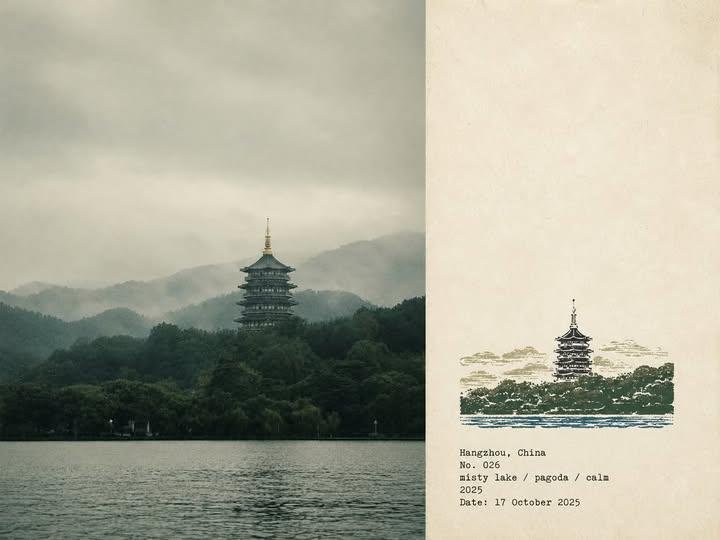
Rubber Stamp Travel Field Notes Poster
GPT image 2 on chatgpt Prompt👇 Please create a separate "Rubber Stamp Travel Field Notes Poster" for each photo I upload, outputting each
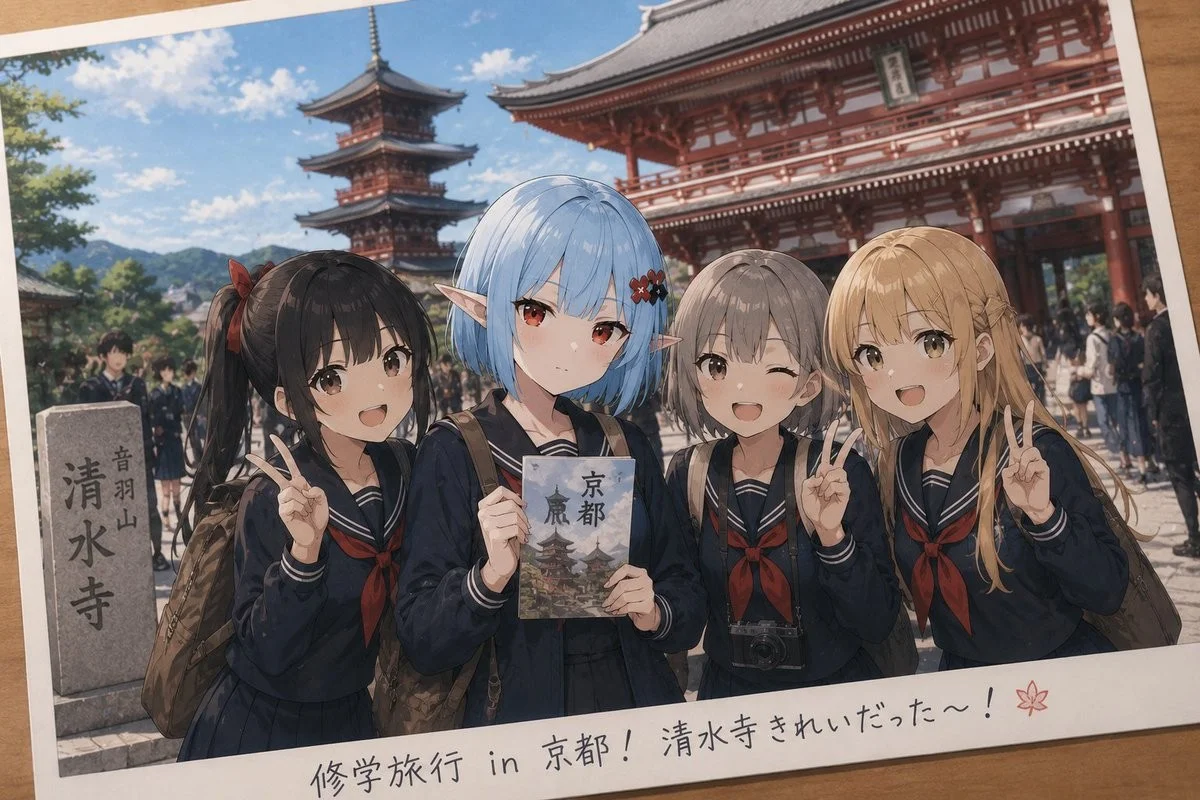
Event Photo Synthesis Illustration
Generate a single illustration based on the school trip photos.
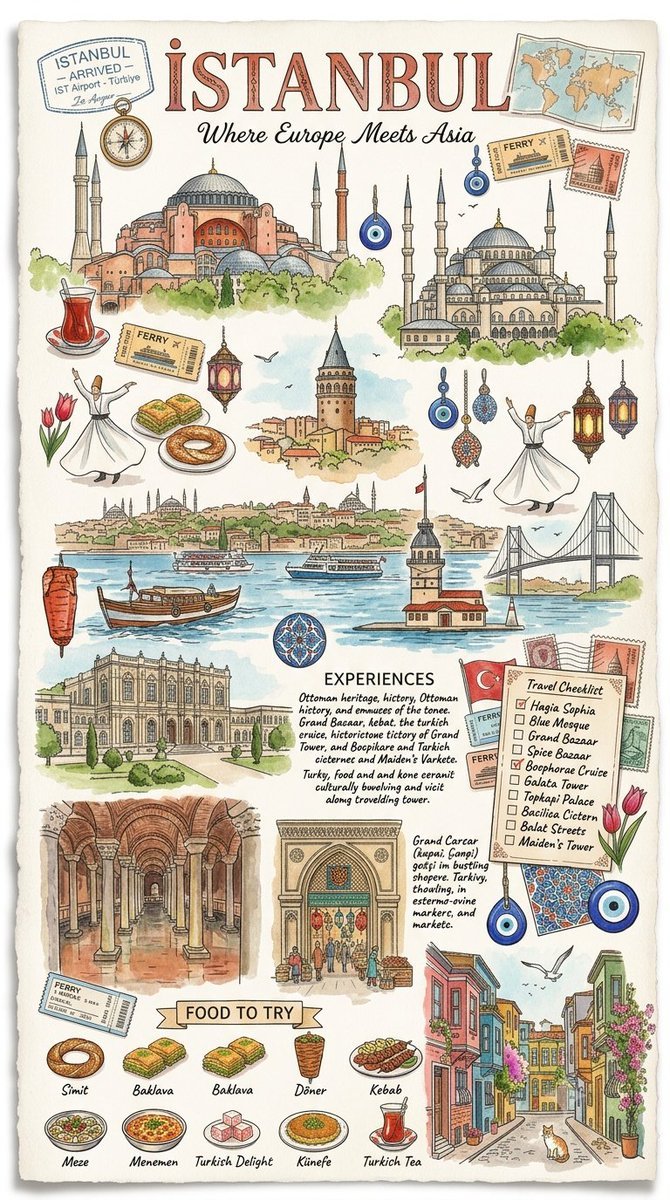
Istanbul Travel Journal Collage
Image created on Gpt 2 Prompt: Ultra-realistic hand-painted watercolor travel collage with soft ink outlines, vintage travel journal
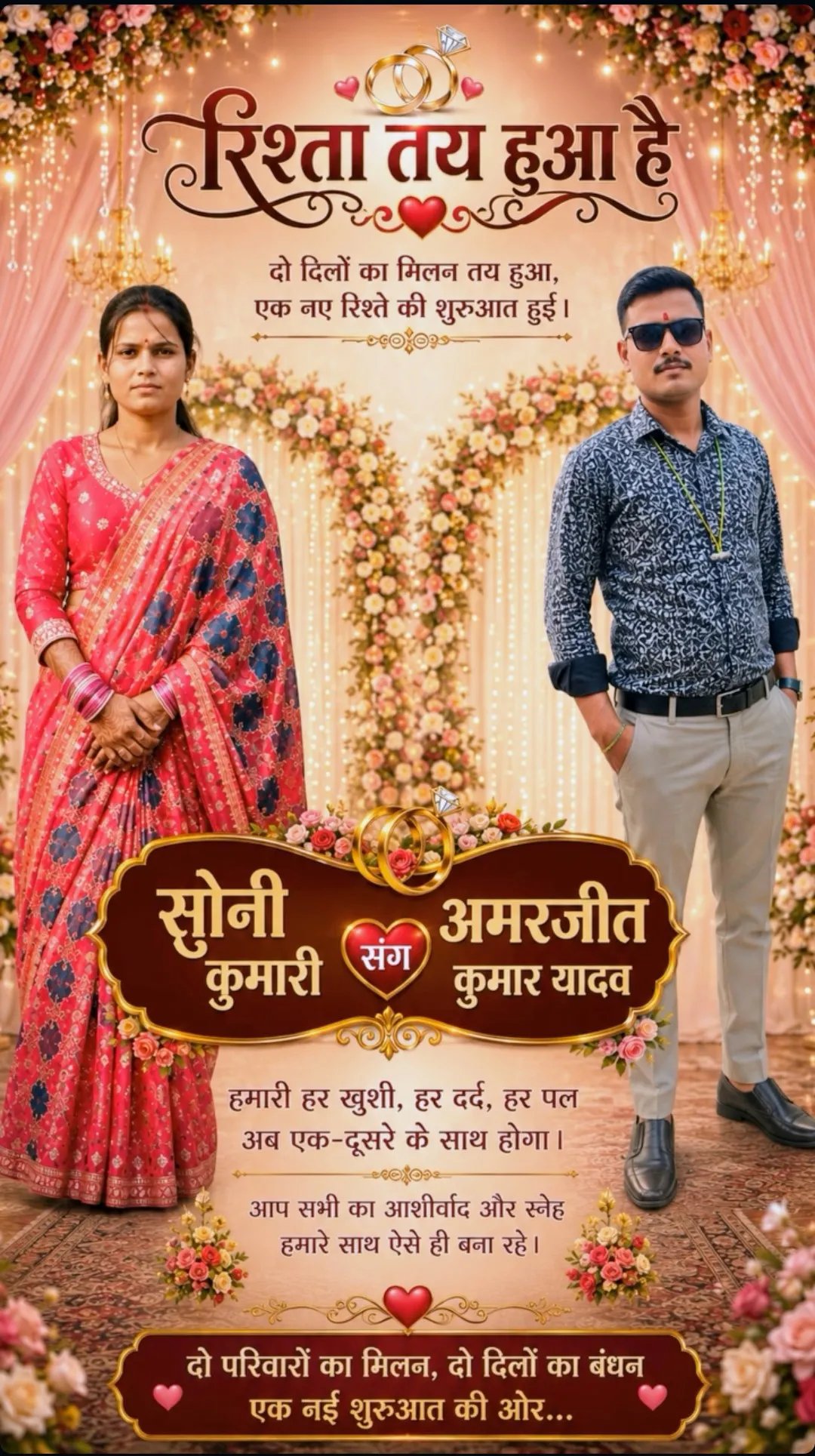
Indian Wedding Invitation Card
"एक भव्य भारतीय डिजिटल वेडिंग इनविटेशन कार्ड (Digital Wedding Invitation Card)। बैकग्राउंड में हल्के गुलाबी और सुनहरे रंग के पर्दे
Cat Ruins Photo
GPT Image 2 on ChatGPT Prompt: Use the uploaded reference image as the primary facial reference.