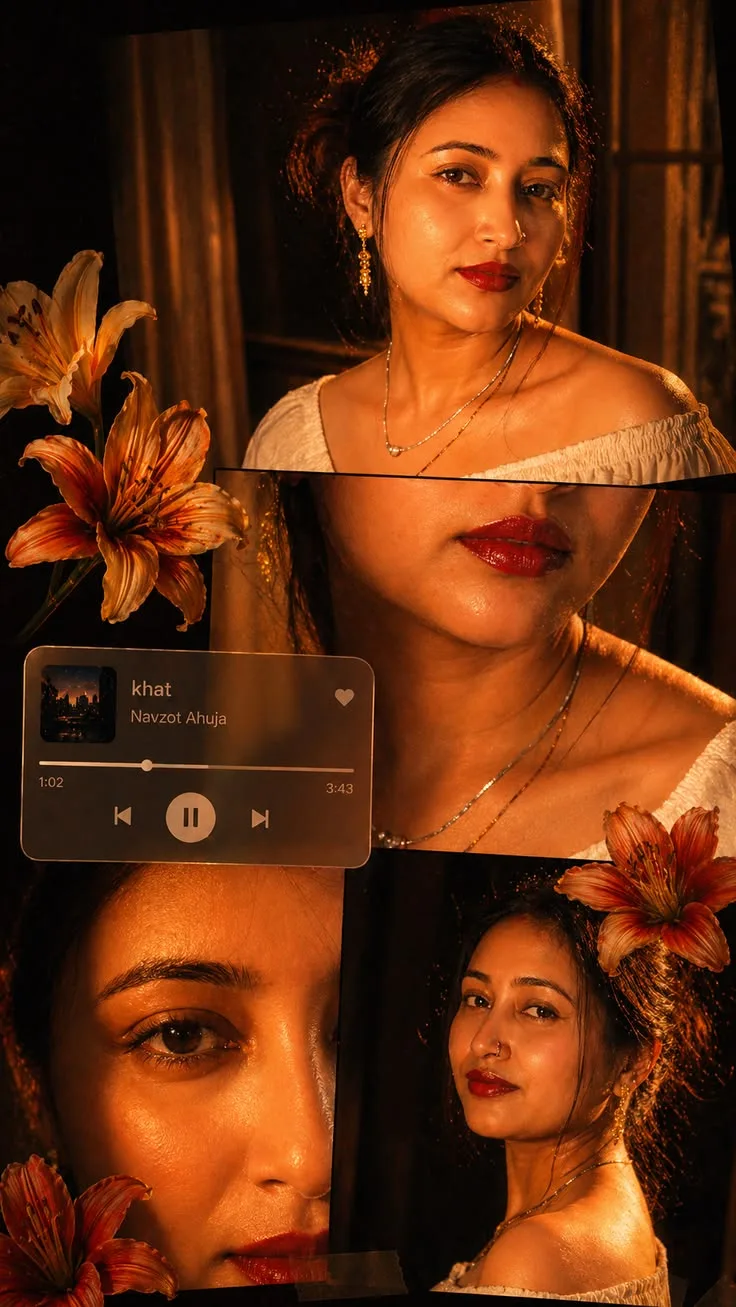
A Touch of Ember
Source: @rehman
This prompt generates A Touch of Ember.
It is written for ChatGPT.
The prompt specifies close-up.
One variable you can change is Photorealistic look.
How to use this prompt
- Model: ChatGPT.
- Subject: A Touch of Ember.
- Change Photorealistic look.
0 views · 0 copies · 0 favorites · 0 discussing
0Prompt
1 of 1 free copies left today
Use the uploaded user photo as the ONLY and STRICT source of the human subject’s identity. Preserve the user’s exact recognizable identity with maximum fidelity: facial structure, facial proportions, face shape, forehead, eyebrows, natural eye shape, nose, lips, mouth structure, jawline, cheekbones, chin, skin tone, natural skin texture, hairline, hair characteristics, facial hair if present, age, and every distinctive facial characteristic. DO NOT replace, redesign, beautify, slim, enlarge, reshape, masculinize, feminize, age, de-age, or reinterpret the user’s face. The final person must unmistakably remain the same individual from the uploaded photo. The reference image controls the composition, expression, gaze, head position, poses, clothing, environment, lighting, color grading, collage structure, camera perspective, and artistic treatment, but NEVER the identity of the reference person. Ignore the source photo’s original facial expression, gaze direction, and head pose; reconstruct those elements from the reference instead.
Recreate the reference as an ultra-realistic cinematic editorial portrait collage with a dark, warm, intimate, vintage photographic atmosphere. Create a vertical 9:16 composition consisting of several overlapping photographic panels of the SAME user identity, arranged like physical photographic prints layered over one another against a nearly black background. The overall palette is dominated by deep black, burnt orange, amber, copper, warm brown, and subtle golden highlights. The image should feel like a sophisticated analog music-editorial moodboard, with rich warm skin tones, dramatic tungsten illumination, subtle film grain, slight halation, gentle bloom around highlights, deep shadows, realistic pores and skin texture, natural photographic imperfections, and premium cinematic color grading.
MAIN PORTRAIT: In the upper and central portion, create a large close-up/medium-close portrait of the user occupying most of the composition. The subject is turned slightly toward the camera in a three-quarter orientation, with the shoulders angled subtly away while the face turns back toward the viewer. Match the reference head position and expression: calm, composed, slightly mysterious and emotionally restrained, with relaxed facial muscles, closed natural lips with a subtle poised expression, and a confident, intimate gaze directed toward the camera. Eyes should be naturally open and focused, not exaggerated. Preserve the user’s exact eyes while reproducing the reference gaze. The head is held upright with a subtle natural tilt, and the neck and shoulders remain relaxed. Frame approximately from upper chest/shoulders upward. The subject wears the same overall style of off-shoulder/light-colored clothing visible in the reference: a soft cream or ivory garment with a gently gathered neckline sitting naturally across the shoulders. Preserve the user’s gender and identity while adapting the clothing naturally to the user. Add delicate minimal jewelry resembling the reference, including thin layered necklaces and a small elegant dangling earring where appropriate, without allowing accessories to obscure the face. Hair should remain faithful to the user’s identity and natural characteristics, while being arranged into a loose, elegant pulled-back style inspired by the reference, with a few naturally loose strands around the face.
LIGHTING: Reproduce the distinctive intense warm orange tungsten light coming primarily from the front-left/upper-left side of the subject, producing luminous amber highlights across the forehead, cheekbones, nose, lips, neck, and shoulders while allowing the opposite side to fall into rich warm shadow. Add a subtle warm rim/backlight around the hair and shoulders. The skin should look naturally illuminated rather than artificially orange, with realistic specular highlights and visible fine texture. Background remains predominantly black with dark wooden/curtain-like vertical forms softly visible in the shadows. Use shallow depth of field so the background is softly blurred while the face remains extremely sharp.
COLLAGE STRUCTURE: Preserve the reference’s fragmented layered-photo design precisely. The main upper portrait should be partially interrupted by a horizontal/diagonal rectangular photographic strip crossing the lower face/chest region. This strip contains an enlarged extreme close-up of the same user’s lower face, especially the lips, chin, cheek, and neck, creating a surreal duplicated-face effect. The strip should appear like a separate physical photograph layered on top of the main portrait, with a thin dark border and slightly imperfect alignment. Maintain realistic perspective, overlap, and photographic-paper edges.
SECONDARY CLOSE-UP PANEL: In the lower-left portion, include a large extreme close-up panel of the same user’s face, cropped tightly around one eye, eyebrow, nose bridge, cheek, and lips. Match the reference’s intimate macro-photography feel. The eye should be sharply detailed and naturally expressive, with the gaze direction matching the reference. Preserve exact user identity while allowing the crop to become highly detailed and cinematic. The panel should be vertically oriented and partially hidden behind other collage elements, with irregular overlapping edges.
SECONDARY PORTRAIT PANEL: In the lower-right portion, include a smaller vertical three-quarter portrait of the same user. Reproduce the reference pose: the subject’s upper body is turned slightly sideways while the head turns back toward the camera, creating an elegant over-the-shoulder editorial pose. The gaze is directed toward the camera with a calm, confident, slightly enigmatic expression. Show the cream/off-white clothing and delicate jewelry. Place a large warm orange lily-like flower near the upper-right side of the head, overlapping or visually attached to the hair area as an editorial floral element. The flower must look realistic, detailed, slightly dramatic, and naturally integrated into the photograph.
FLOWERS: Reproduce multiple large orange lily-like flowers throughout the collage. On the left side, place two prominent warm orange lilies, one around the upper-left/mid-left region and another larger bloom around the lower-left/mid-left region. Their petals should be richly detailed with darker orange-red streaks and subtle black/brown markings, realistic stamens, organic folds, and natural highlights. Add another orange lily near the upper-right side of the smaller lower-right portrait, partially overlapping the hair. Include a partially visible floral element near the bottom edge where appropriate. Flowers should look like real photographed flowers, not illustrations or plastic objects. They should share the same warm tungsten lighting and color treatment as the portraits.
MUSIC PLAYER ELEMENT: Reproduce the translucent rounded-rectangle music-player card positioned over the lower-left/center portion of the collage. It should look like a semi-transparent dark amber/brown glass interface floating over the photographs, with rounded corners, subtle edge highlights, and realistic transparency. Include a small square album-art thumbnail on the left, a song title and artist line, a heart icon, a thin progress bar, elapsed/remaining time, and minimal previous/play/next controls arranged like the reference. Keep the interface understated and integrated into the warm photographic aesthetic. If readable text is generated, it should visually resemble a music-player interface without distracting from the portraits. Maintain the same approximate placement, size, tilt, transparency, and overlap as the reference.
COMPOSITION AND OVERLAPPING EDGES: The collage should feel physically assembled from multiple photographs placed at slightly different angles and depths. Use thin dark borders around several panels, imperfect rectangular crops, subtle perspective distortions, and overlapping image edges. The main portrait extends behind the central close-up strip. The lower-left macro panel overlaps the bottom portion of the main composition. The lower-right portrait sits separately but overlaps the surrounding dark background. Maintain the visual rhythm and approximate spatial proportions of the reference: dominant upper portrait, horizontal central facial fragment, large lower-left eye close-up, smaller lower-right portrait, flowers framing the edges, and music-player card across the lower-left center.
CAMERA AND PHOTOGRAPHIC CHARACTER: Simulate professional editorial photography captured with a high-quality full-frame or medium-format camera, approximately 50–85mm portrait perspective for the main portrait and macro/close-focus optics for the facial detail panels. Use natural perspective without distortion. Extremely detailed eyes, lips, skin pores, fine hair strands, fabric fibers, jewelry reflections, and flower petals. Shallow depth of field, realistic bokeh, subtle lens bloom, restrained chromatic aberration, analog film grain, gentle halation, slightly softened highlights, rich shadow detail, and a tactile scanned-film appearance. Avoid excessive HDR, artificial sharpening, plastic skin, CGI appearance, or overly smooth beauty-retouching.
EXPRESSION AND GAZE PRIORITY: Every instance of the user must retain the user’s exact identity but reproduce the reference subject’s emotional behavior. The dominant expression is calm, confident, intimate, slightly mysterious, and composed rather than smiling broadly. Maintain relaxed lips, natural eyebrows, softly focused eyes, and the exact reference-like camera-facing gaze. The smaller over-the-shoulder portrait must preserve the same calm gaze and head-turn relationship. The macro eye panel must reproduce the reference eye direction and emotional intensity. Never copy the user’s source-photo expression if it differs from the reference.
SKIN AND IDENTITY ACCURACY: Preserve authentic facial asymmetry and natural characteristics from the uploade
Similar prompts
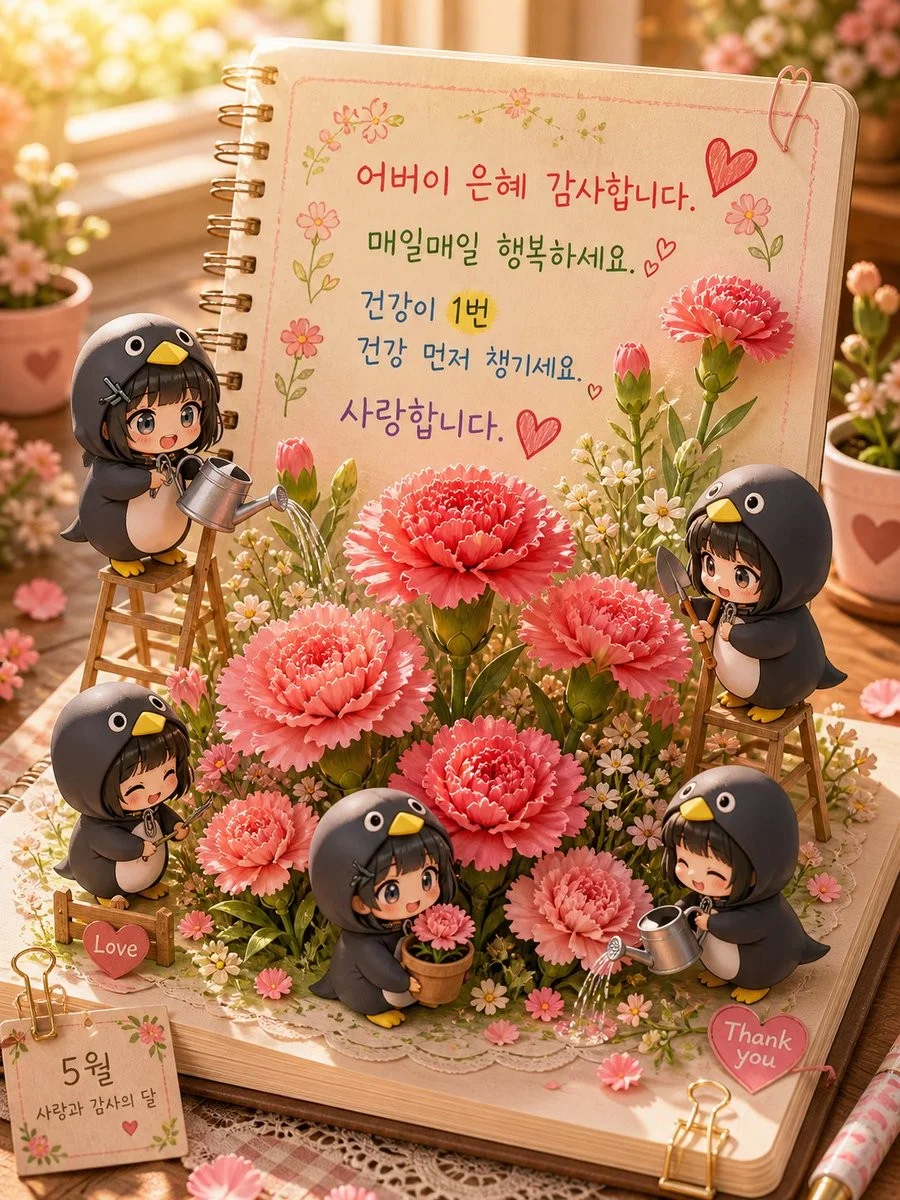
3D Pop-up Parents Day Card
3D 노트 위 꽃이 입체적으로 피어나는 장면, 첨부된 사진의 미니 캐릭터들이 물주고 가꾸는 모습, {argument name="날씨" default="따뜻한 5월 햇살"}, 캐리커처 스타일, 밝고 사랑스러운 분위기, 실제 꽃처럼 디테일하게,
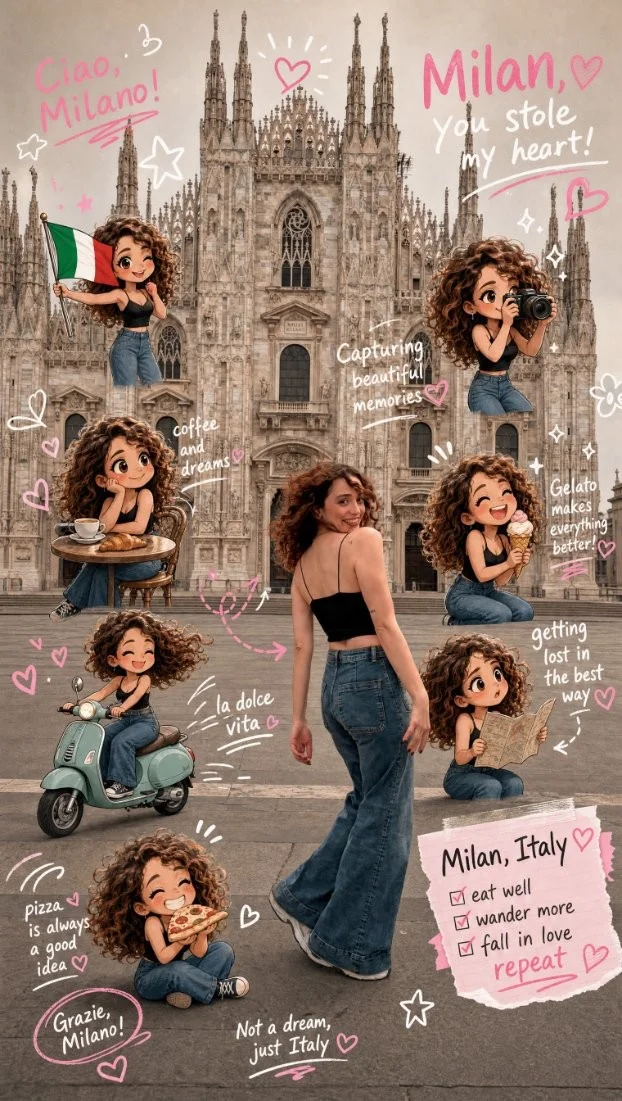
Chibi Scrapbook Photo Transformation
remove the people around the main character, Add multiple small, cute chibi-style “mini versions” of her around the image.
AI Photo Generation Guide
1. Open Gemini / Grok / GPT Image 2.0 2. Upload your photo 3. Copy the prompt 4. Generate 5. Prompt ⤵️ https://t.co/ufvHABxbuM
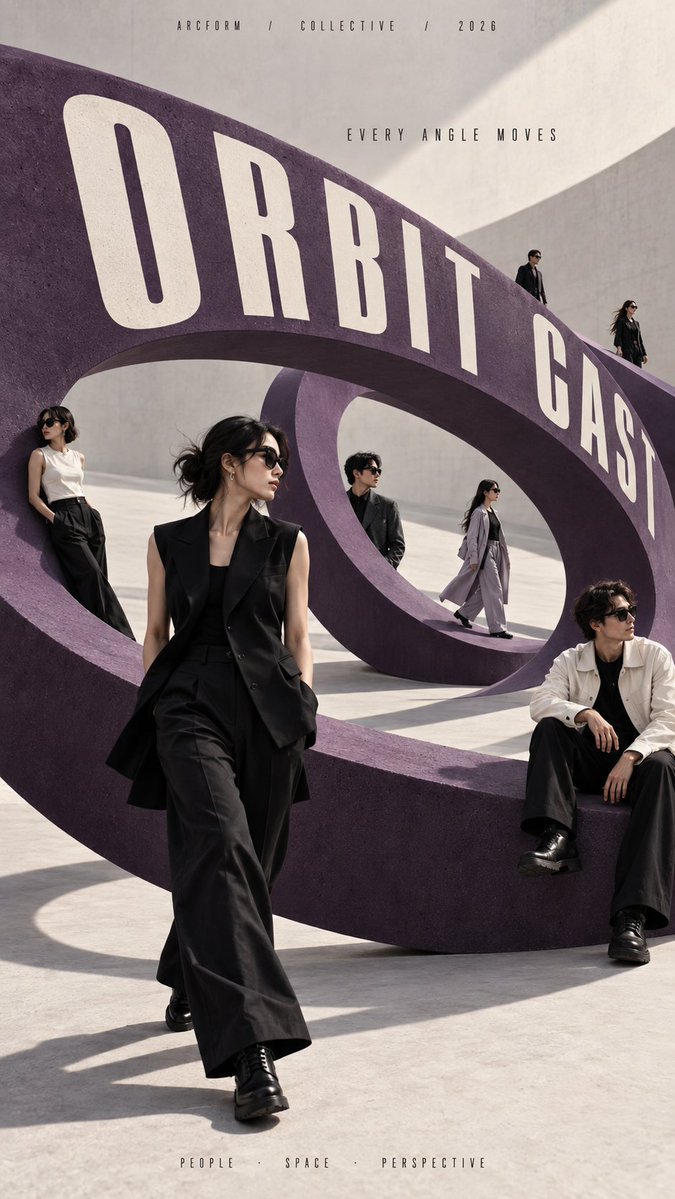
Depth in Image Generation
🤯 Images 2.5 is so good at building depth!
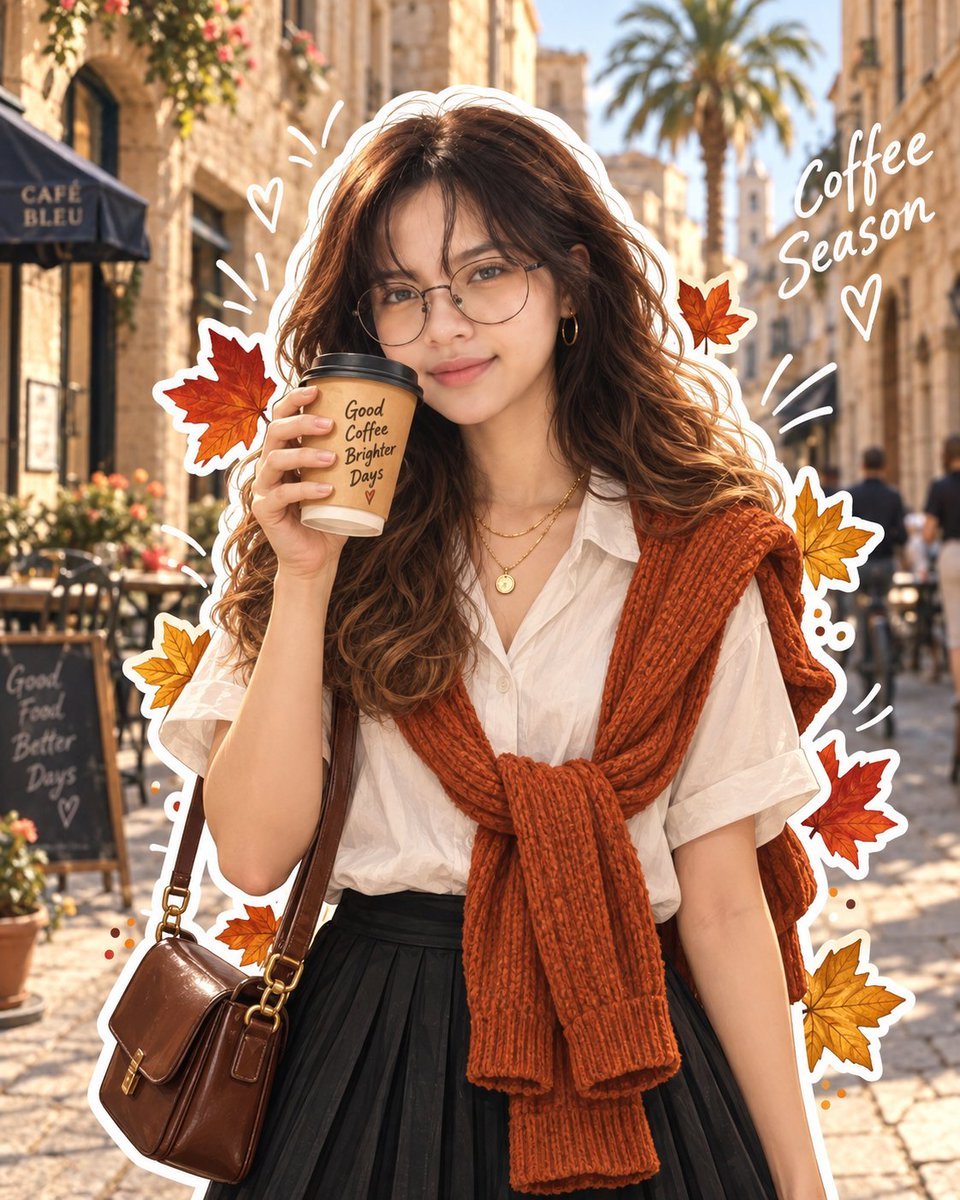
AI Sticker-Cutout Photo Effect
How to get this viral sticker-cutout photo effect with AI GPT image 2 on chatgpt Prompt👇 https://t.co/Re6oPaU3zv
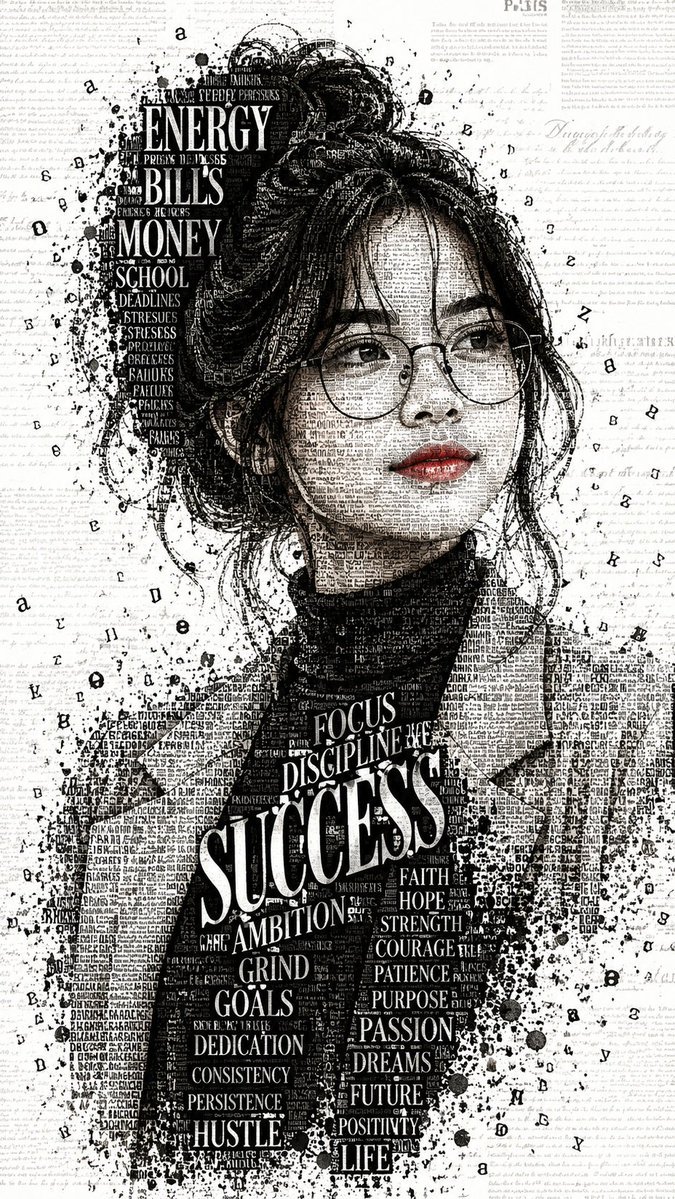
Photo made of words
Your photo, but made entirely from words 🤯👇 ① Open Gemini / Grok / GPT Image 2.0 ② Add your photo ③ Paste the prompt ④ Generate.
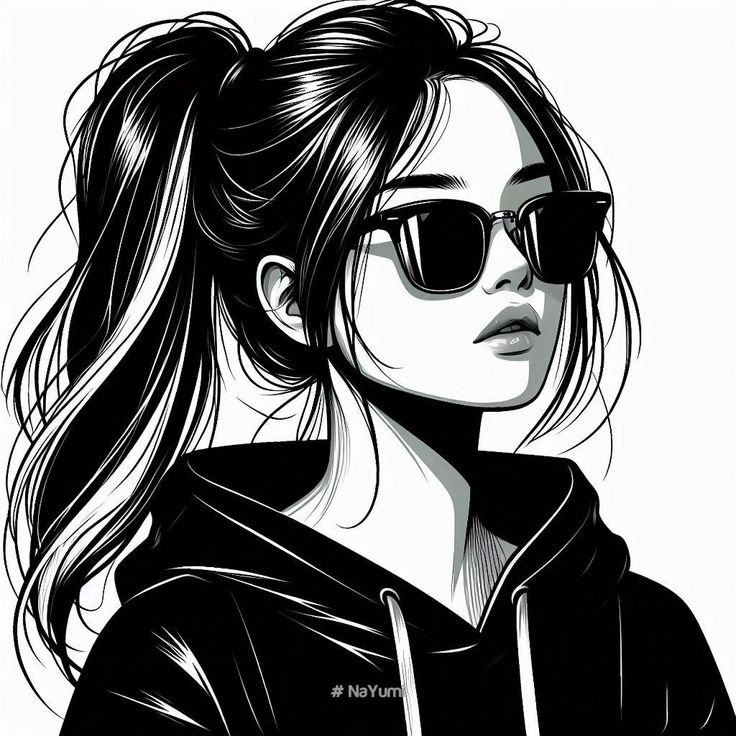
Photo to Hand-Drawn Art
Turn your photo into a hand-drawn masterpiece ✍️🖤 ① Upload your photo ② Copy this prompt ③ Generate ④ Done.
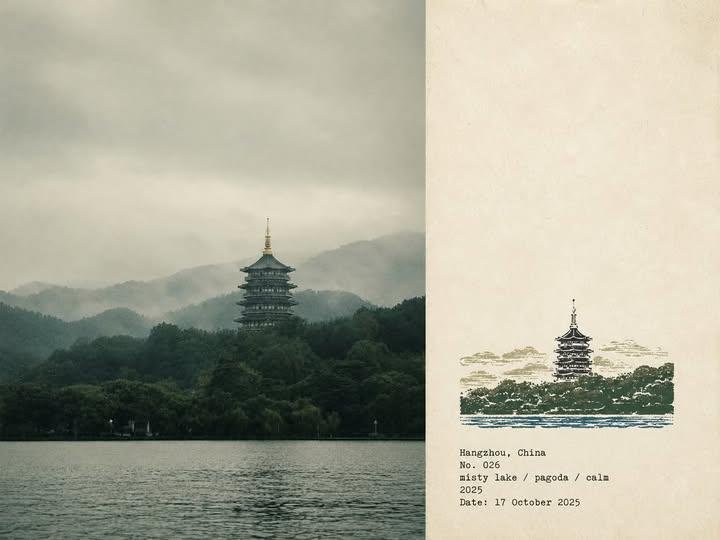
Rubber Stamp Travel Field Notes Poster
GPT image 2 on chatgpt Prompt👇 Please create a separate "Rubber Stamp Travel Field Notes Poster" for each photo I upload, outputting each
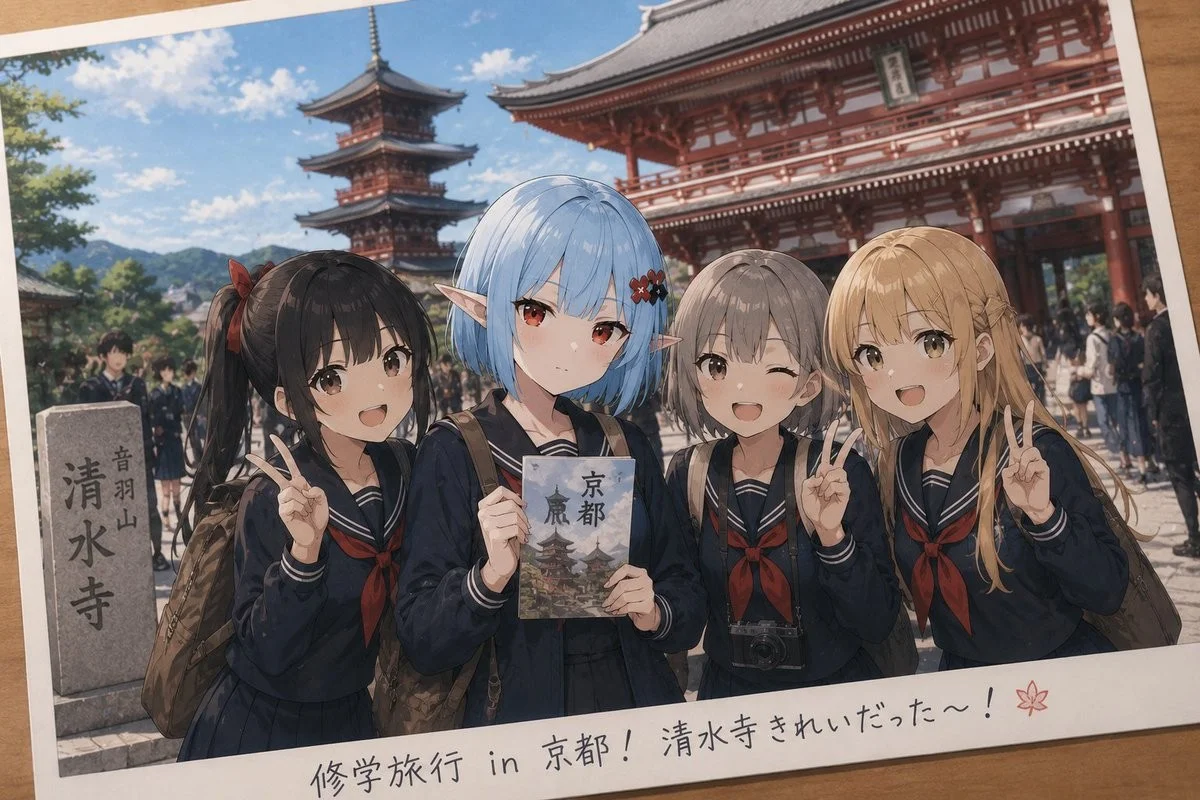
Event Photo Synthesis Illustration
Generate a single illustration based on the school trip photos.
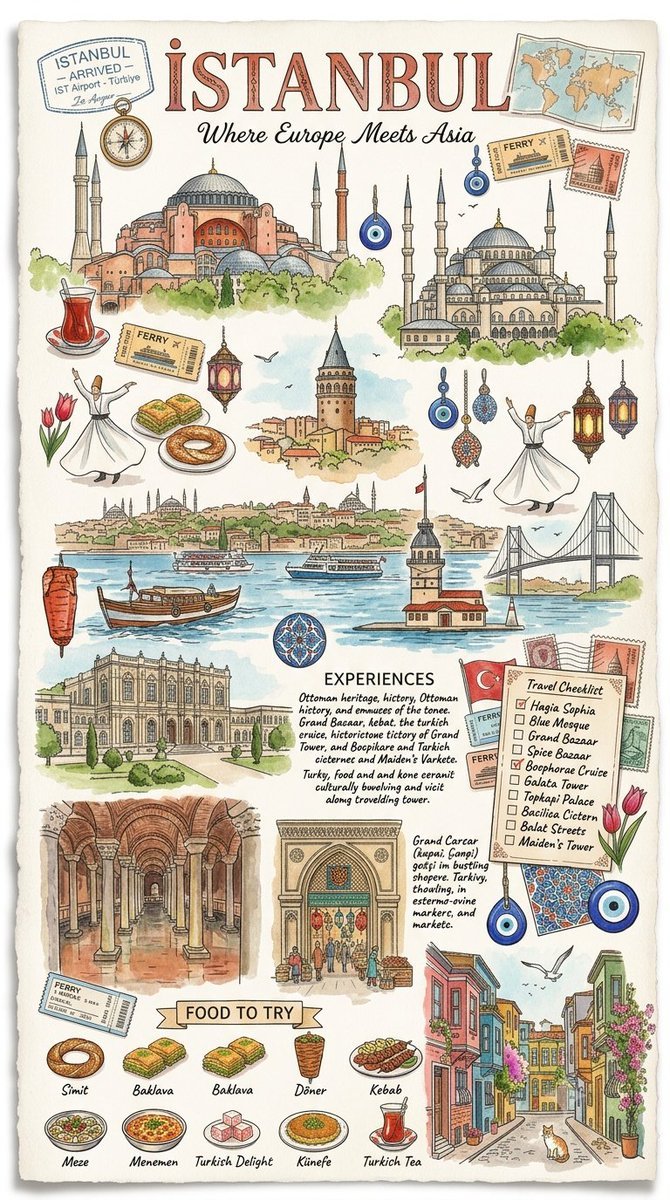
Istanbul Travel Journal Collage
Image created on Gpt 2 Prompt: Ultra-realistic hand-painted watercolor travel collage with soft ink outlines, vintage travel journal
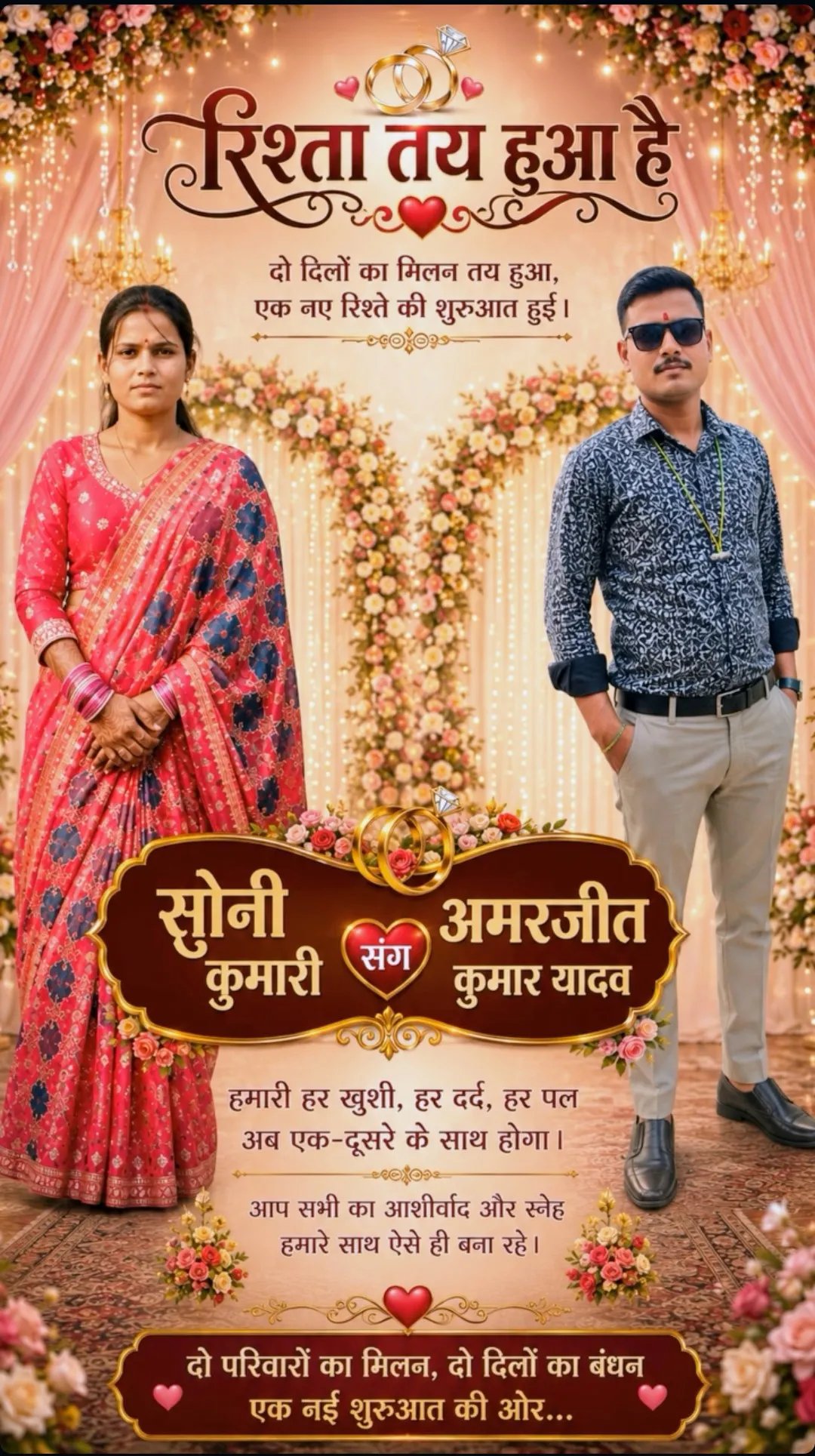
Indian Wedding Invitation Card
"एक भव्य भारतीय डिजिटल वेडिंग इनविटेशन कार्ड (Digital Wedding Invitation Card)। बैकग्राउंड में हल्के गुलाबी और सुनहरे रंग के पर्दे
Cat Ruins Photo
GPT Image 2 on ChatGPT Prompt: Use the uploaded reference image as the primary facial reference.