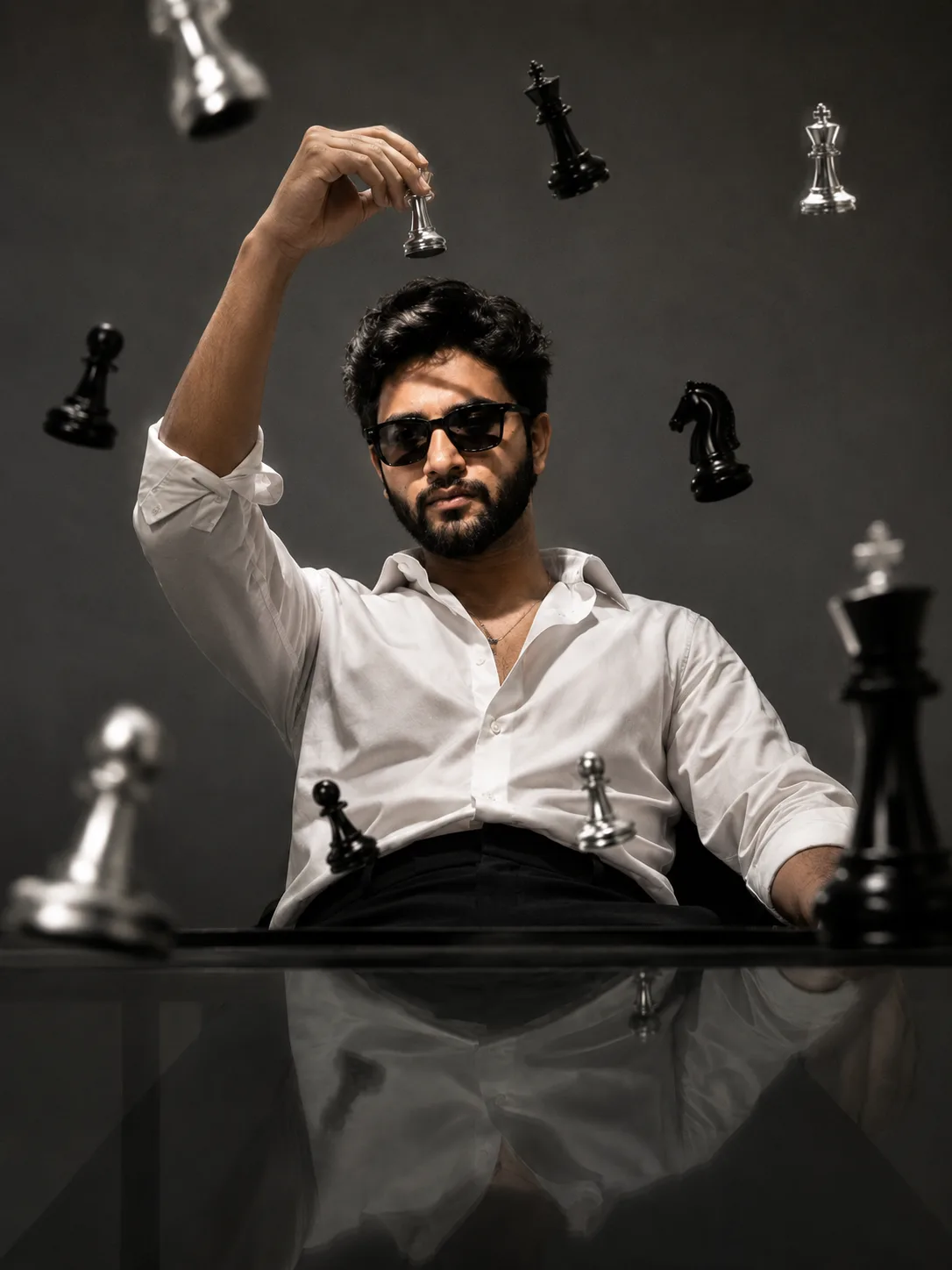
Chessmaster in Suspended Time
Source: @rehman
This prompt generates Chessmaster in Suspended Time.
It is written for ChatGPT.
The prompt specifies studio lighting.
One variable you can change is Photorealistic look.
How to use this prompt
- Model: ChatGPT.
- Subject: Chessmaster in Suspended Time.
- Change Photorealistic look.
0 views · 0 copies · 0 favorites · 0 discussing
0Prompt
1 of 1 free copies left today
Use the uploaded user photo as the ONLY identity reference for the person. Preserve the user's exact recognizable identity with maximum fidelity: facial structure, face shape, forehead, eyebrows, natural eye shape, nose, lips, mouth structure, jawline, cheekbones, chin, skin tone, skin texture, hairline, hairstyle characteristics, facial hair if present, and all distinctive facial features. Do not replace, redesign, beautify, slim, age, de-age, masculinize, feminize, or reinterpret the person's identity. The final subject must unmistakably remain the same person from the uploaded photo. The user's original facial expression, gaze, and head pose must NOT be transferred; use the reference scene only to determine expression, gaze, and pose.
Recreate the reference photograph as precisely as possible: a cinematic conceptual chess portrait photographed from a distinctly low camera angle. The subject is seated and leaning slightly back in a chair, positioned centrally and occupying most of the middle and lower frame. The camera is placed below the subject's upper torso, approximately waist/table height, looking upward toward the face, creating a subtle powerful perspective and making the raised hand and floating chess pieces visually prominent. Use a medium/full portrait framing, approximately 4:5 vertical composition. Keep the subject's body naturally proportioned and anatomically realistic.
Match the reference body pose exactly: the subject sits leaning backward with the torso angled slightly away from the camera while remaining broadly front-facing. One arm is raised high toward the upper-left/upper-center portion of the image, with the elbow bent and the forearm extending upward. The raised hand is held above and slightly in front of the head, delicately gripping a small metallic silver chess piece between the fingers as if strategically moving it. Reproduce the natural finger positioning and relaxed but intentional grip. The other arm descends naturally along the opposite side of the torso toward the lower-right area, partially cropped by the frame. Keep the shoulders relaxed, chest open, and posture confident but contemplative. The lower body is seated and partially visible behind the foreground table, with dark trousers creating a strong contrast against the white shirt.
Match the reference facial behavior precisely: the subject has a calm, serious, thoughtful, slightly intense expression rather than a smile. The lips are relaxed and closed with a subtle neutral firmness. The eyebrows remain naturally relaxed with a faintly contemplative tension. The eyes look directly toward the camera/viewer, creating strong psychological engagement. Maintain natural eye openness and realistic catchlights. The head is slightly tilted and subtly rotated while remaining primarily oriented toward the camera. Preserve the reference's composed, strategic, introspective mood. Do not use the facial expression from the user's source photograph.
Dress the user's subject in the same styling as the reference: a clean, crisp white long-sleeve button-up shirt with the collar naturally open and several upper buttons undone, creating a relaxed sophisticated appearance. The shirt should be slightly loose and naturally wrinkled around the torso, sleeves, elbows, and cuffs. One sleeve is pushed/rolled upward around the forearm because of the raised arm, while the opposite sleeve remains naturally extended/partially rolled. Pair the shirt with high-waisted black trousers, visible primarily in the lower center of the composition. Add only subtle minimal jewelry matching the reference, such as a delicate fine necklace with a small understated pendant if appropriate. Do not introduce sunglasses, hats, watches, excessive jewelry, logos, or unrelated accessories.
Create a minimalist studio environment with a smooth neutral gray background extending across the entire upper and middle frame. The background should be clean, matte, understated, and slightly darker toward the edges while remaining evenly lit around the subject. The visual concept revolves around a chess strategy theme: multiple black and silver chess pieces appear suspended/floating around the subject at different depths and distances, as though frozen in midair during an intense chess game. Reproduce the approximate arrangement and visual hierarchy of the reference: a blurred silver chess piece near the upper-left corner; a black king-like piece near the upper-center; a silver piece near the upper-right; a black pawn-like piece toward the left-middle; a black knight floating to the right of the subject's head; a large black king/queen-like piece along the right edge in the foreground; a large blurred silver chess piece in the lower-left foreground; a small black piece near the subject's lower torso; and a silver chess piece near the lower-center torso. Additional subtle chess-piece reflections may appear below the table.
The chess pieces must have realistic physical materials: polished black pieces with deep glossy surfaces and metallic silver pieces with realistic reflective highlights. Vary their apparent size according to depth. Some pieces should be sharply detailed while others are noticeably out of focus due to shallow depth of field. They should appear genuinely suspended in space, with believable orientation, perspective, reflections, and subtle motion-freezing realism. Do not make them look like flat graphics or digitally pasted objects.
The raised hand must be the primary interaction point: the fingers naturally hold the silver chess piece close to the upper portion of the subject's head, approximately above the forehead/hairline. Preserve realistic hand anatomy, finger joints, nails, skin texture, and lighting. The chess piece should remain clearly visible between the fingers without obscuring the face.
Place a glossy dark glass or polished reflective chess table across the very bottom foreground, forming a strong horizontal line around the lower quarter of the image. The table surface should reflect the subject's lower body and nearby chess pieces with realistic soft distortion and transparency. Include a subtle dark horizontal table edge/bar crossing the frame. The foreground reflection should be slightly darker and less sharp than the actual subject, adding depth and a sophisticated editorial quality.
Lighting should closely match the reference: controlled professional studio lighting with a large soft frontal key light illuminating the face and white shirt, combined with subtle directional highlights from above/side. The face should be clearly exposed with gentle dimensional shadows beneath the cheekbones, jaw, nose, and chin. Maintain natural skin texture rather than excessive smoothing. Add subtle rim/separation light around the shoulders and hair against the gray background. The white shirt should retain visible folds and tonal detail without becoming pure blown-out white. The black trousers and black chess pieces should retain rich shadow detail without becoming featureless.
Use realistic shallow-to-moderate depth of field, similar to a high-end editorial photograph captured with a full-frame camera and approximately 50–70mm portrait lens from a low position. Keep the face, raised hand, and the chess piece being held relatively sharp, while nearby foreground chess pieces and distant objects progressively soften with realistic optical bokeh. Avoid artificial blur halos. Maintain physically believable perspective, scale, focus falloff, and lens rendering.
The overall visual style is premium cinematic editorial photography mixed with surreal conceptual fine-art photography. Photorealistic human anatomy, realistic skin pores and fine facial texture, authentic fabric behavior, physically accurate metallic reflections, subtle tonal grading, controlled contrast, refined gray monochrome-neutral palette, sophisticated fashion-editorial atmosphere, and high-end commercial photography quality. The image should feel like a professionally staged conceptual chess campaign rather than an illustration or obvious AI artwork.
Preserve realistic proportions throughout. Ensure both hands, fingers, arms, shoulders, neck, torso, and legs connect naturally with correct anatomy. Do not create extra fingers, duplicated limbs, malformed hands, distorted chess pieces, warped facial features, asymmetrical eyes, plastic skin, excessive sharpening, or unnatural body deformation. Do not alter the user's recognizable identity to resemble the reference model.
Composition priority: user's identity first; reference expression, emotion, gaze, and head position second; exact seated body posture and raised-hand chess interaction third; clothing, floating chess arrangement, reflective foreground table, studio environment, lighting, depth of field, perspective, and photographic treatment after that. Maintain the same visual balance, object placement, negative space, low-angle perspective, and overall mood of the reference. Final result should look like the user's own identity was authentically photographed in this exact conceptual chess scene, not like the reference person's face was copied onto the user. Ultra-photorealistic, cinematic, highly detailed, natural skin, realistic optics, premium editorial finish, subtle filmic texture, high resolution.
Similar prompts
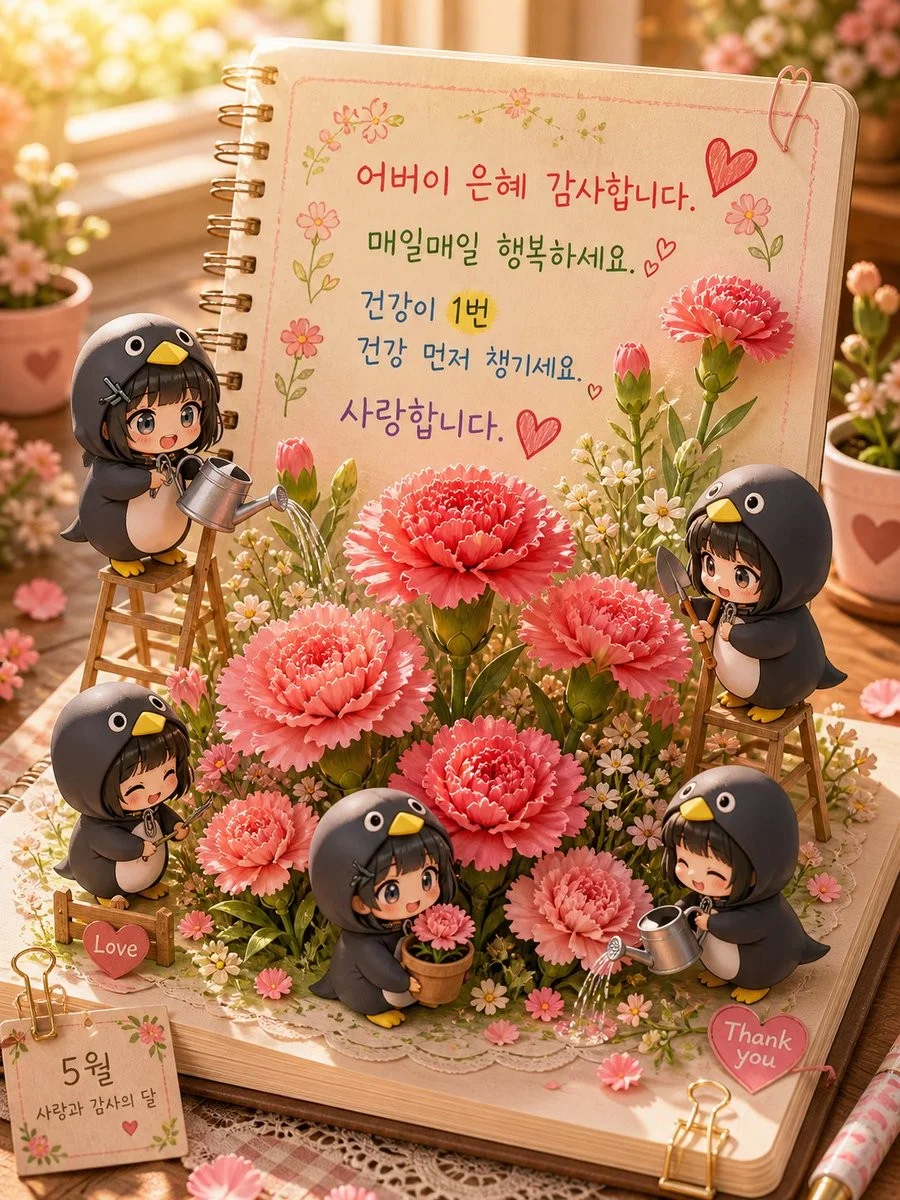
3D Pop-up Parents Day Card
3D 노트 위 꽃이 입체적으로 피어나는 장면, 첨부된 사진의 미니 캐릭터들이 물주고 가꾸는 모습, {argument name="날씨" default="따뜻한 5월 햇살"}, 캐리커처 스타일, 밝고 사랑스러운 분위기, 실제 꽃처럼 디테일하게,
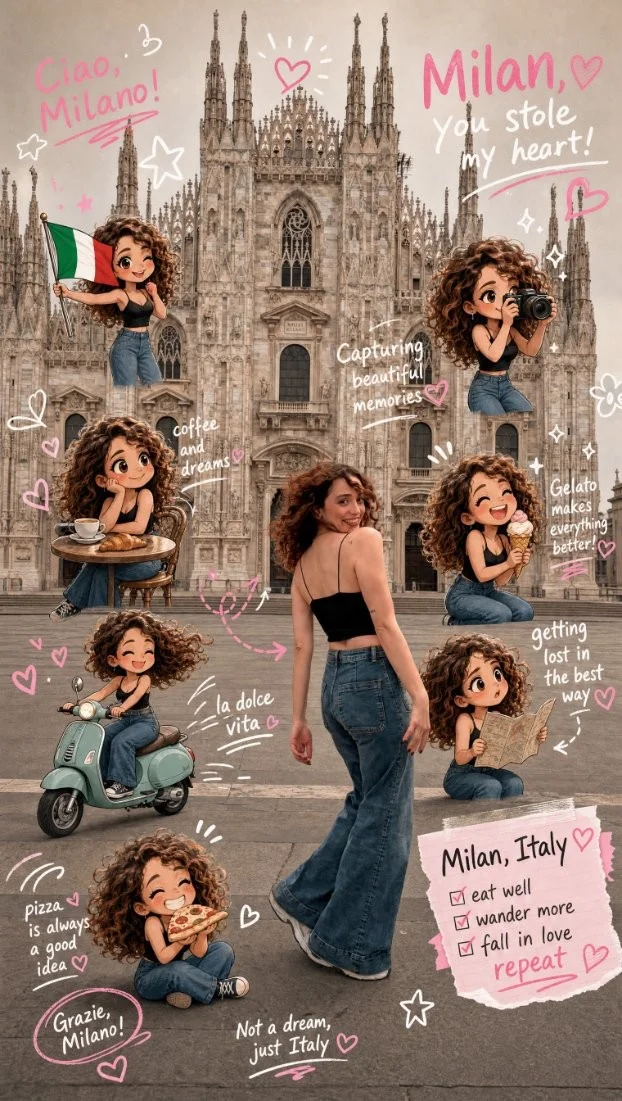
Chibi Scrapbook Photo Transformation
remove the people around the main character, Add multiple small, cute chibi-style “mini versions” of her around the image.
AI Photo Generation Guide
1. Open Gemini / Grok / GPT Image 2.0 2. Upload your photo 3. Copy the prompt 4. Generate 5. Prompt ⤵️ https://t.co/ufvHABxbuM
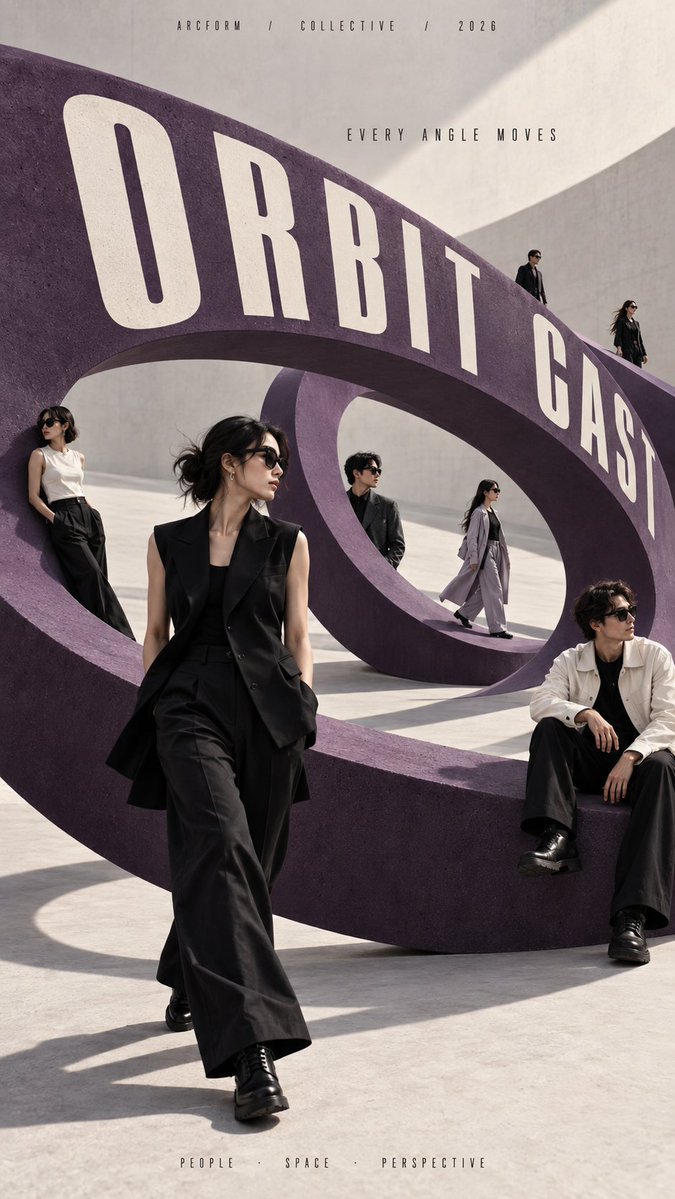
Depth in Image Generation
🤯 Images 2.5 is so good at building depth!
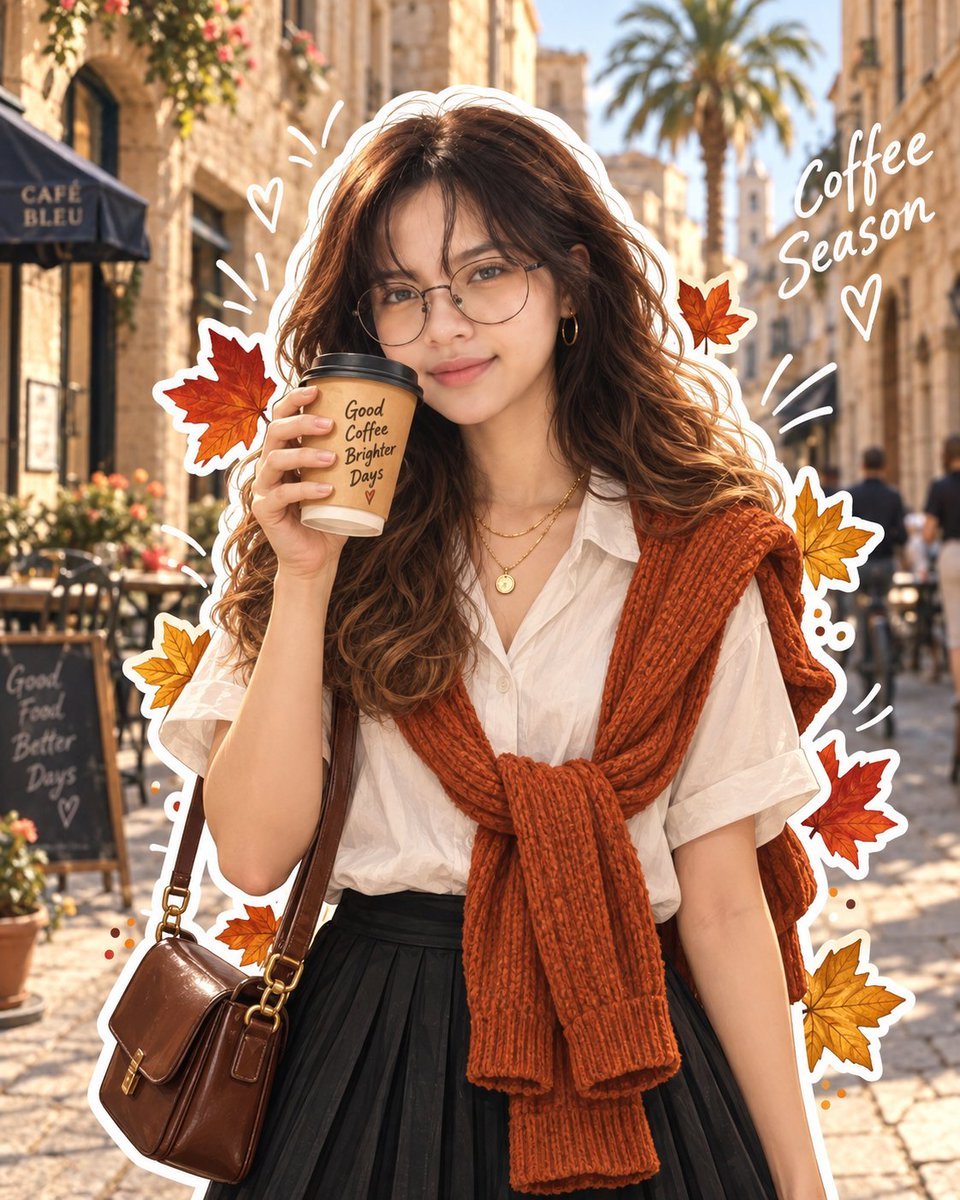
AI Sticker-Cutout Photo Effect
How to get this viral sticker-cutout photo effect with AI GPT image 2 on chatgpt Prompt👇 https://t.co/Re6oPaU3zv
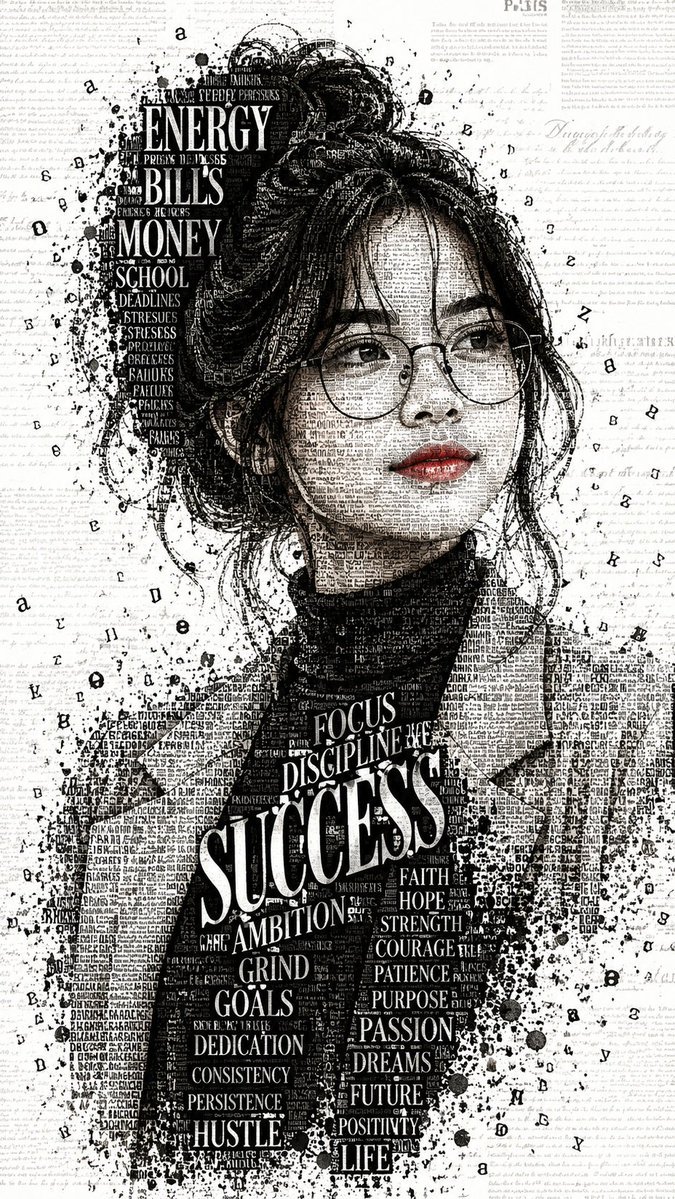
Photo made of words
Your photo, but made entirely from words 🤯👇 ① Open Gemini / Grok / GPT Image 2.0 ② Add your photo ③ Paste the prompt ④ Generate.
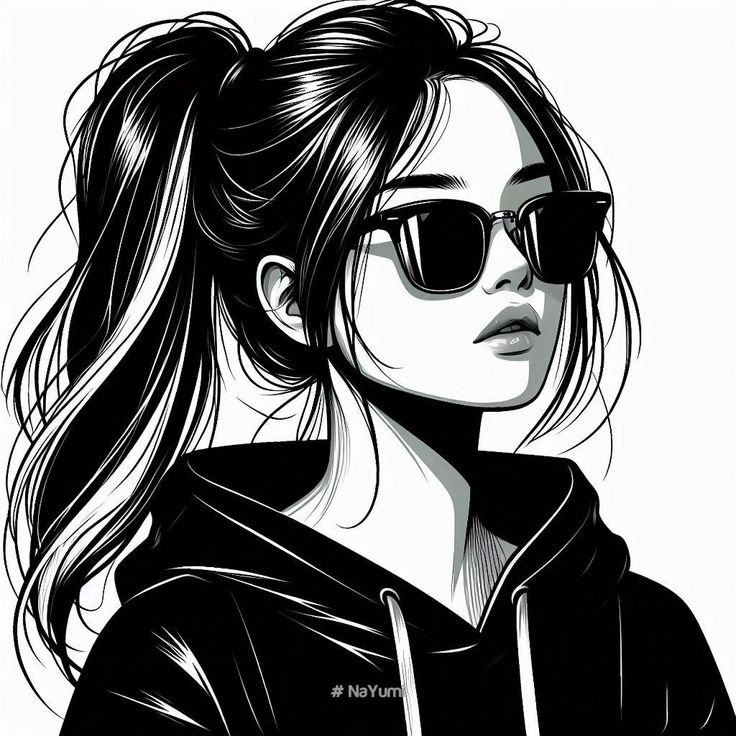
Photo to Hand-Drawn Art
Turn your photo into a hand-drawn masterpiece ✍️🖤 ① Upload your photo ② Copy this prompt ③ Generate ④ Done.
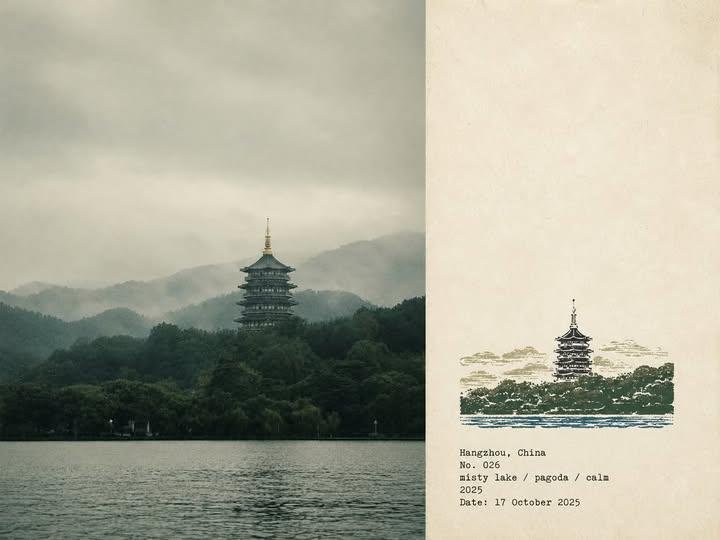
Rubber Stamp Travel Field Notes Poster
GPT image 2 on chatgpt Prompt👇 Please create a separate "Rubber Stamp Travel Field Notes Poster" for each photo I upload, outputting each
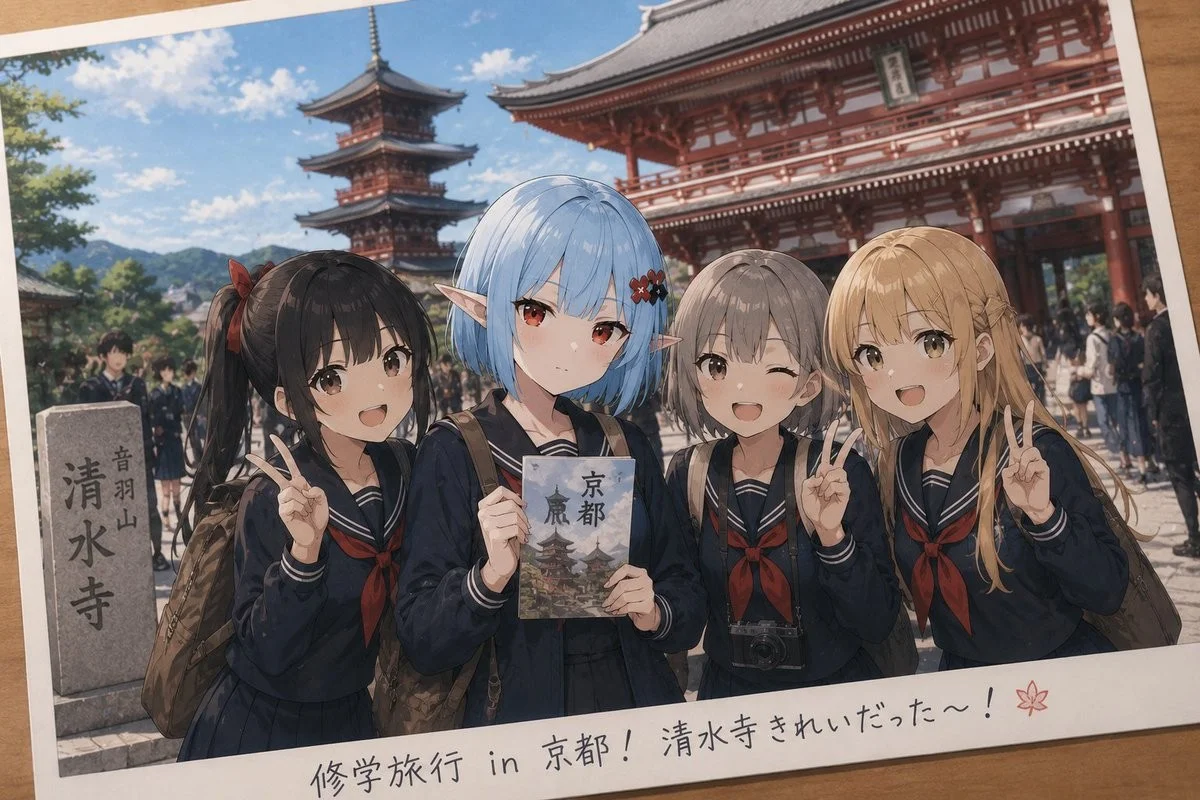
Event Photo Synthesis Illustration
Generate a single illustration based on the school trip photos.
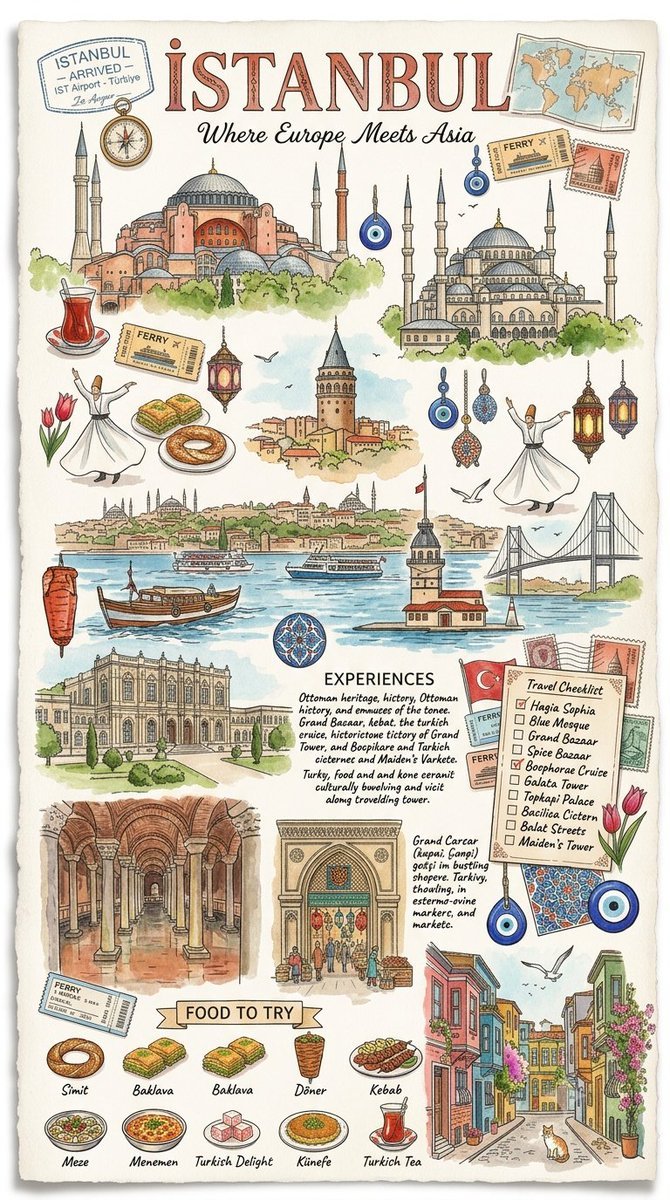
Istanbul Travel Journal Collage
Image created on Gpt 2 Prompt: Ultra-realistic hand-painted watercolor travel collage with soft ink outlines, vintage travel journal
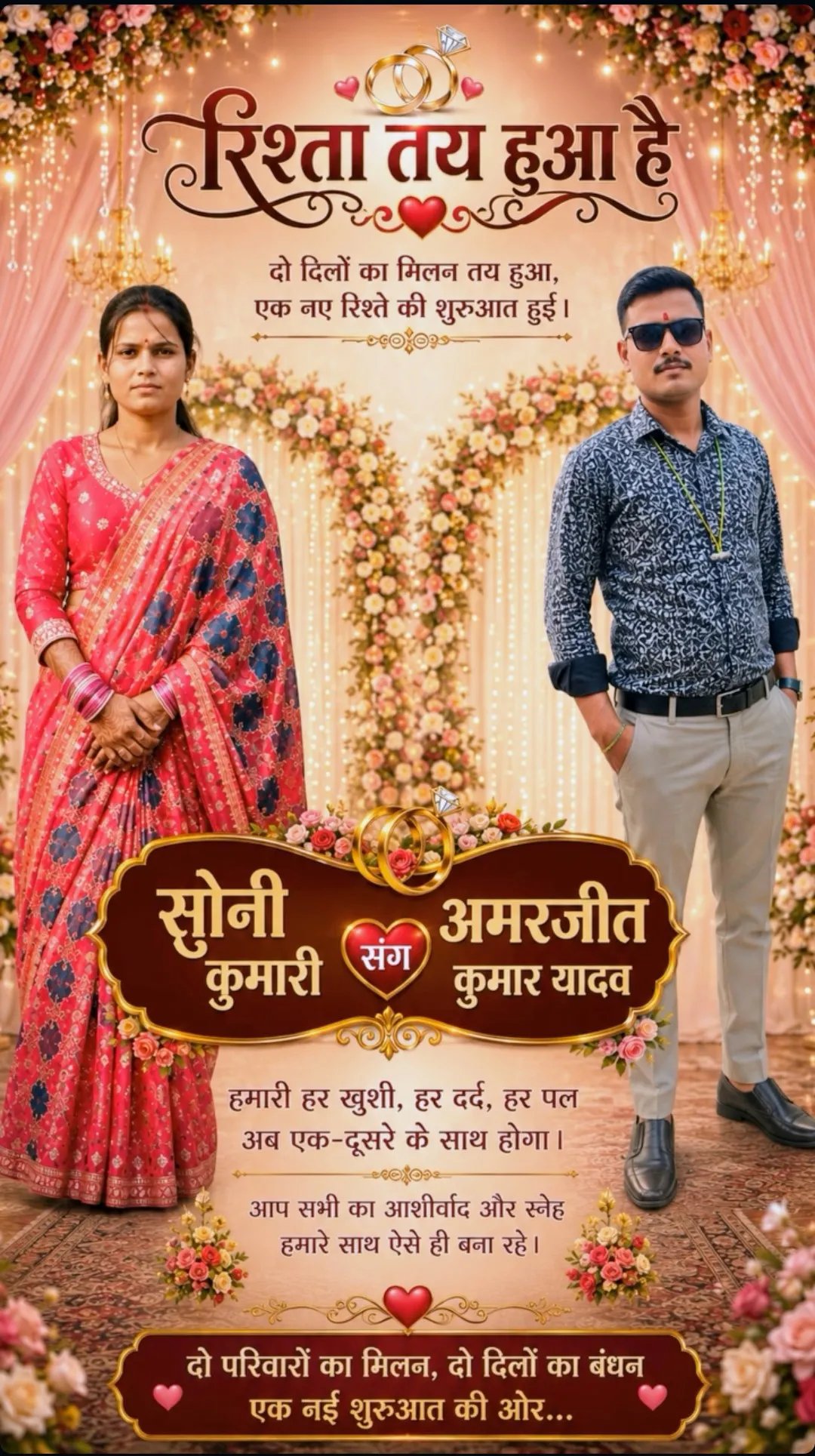
Indian Wedding Invitation Card
"एक भव्य भारतीय डिजिटल वेडिंग इनविटेशन कार्ड (Digital Wedding Invitation Card)। बैकग्राउंड में हल्के गुलाबी और सुनहरे रंग के पर्दे
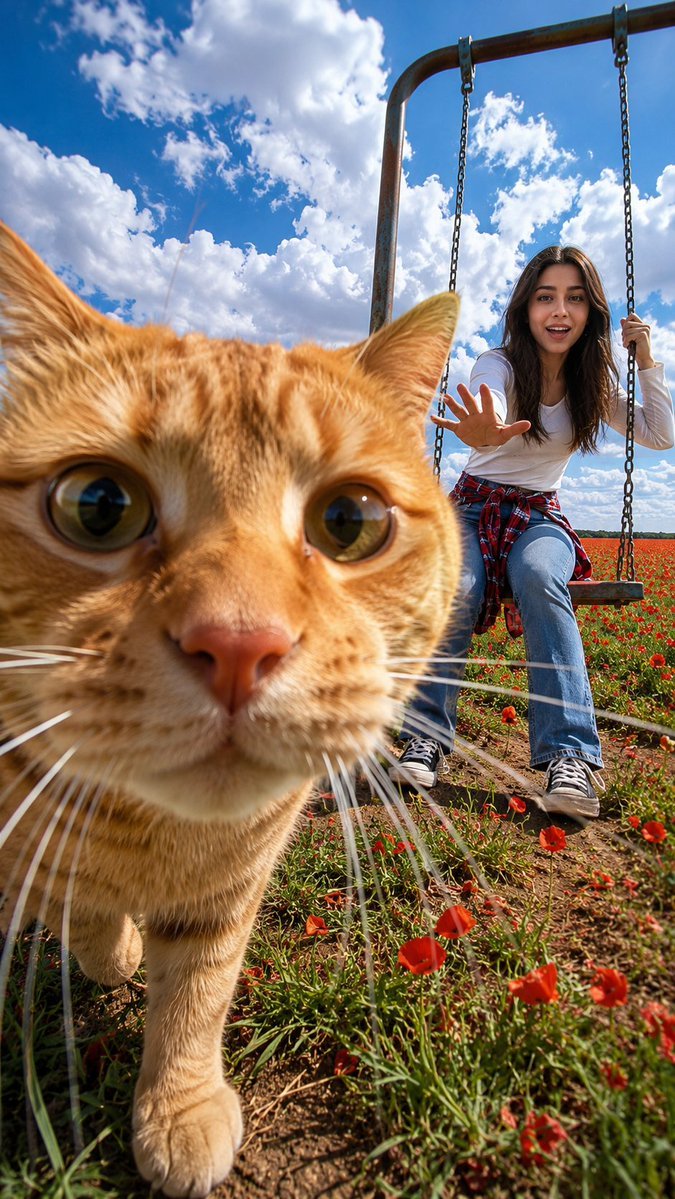
Cat Ruins Photo
GPT Image 2 on ChatGPT Prompt: Use the uploaded reference image as the primary facial reference.