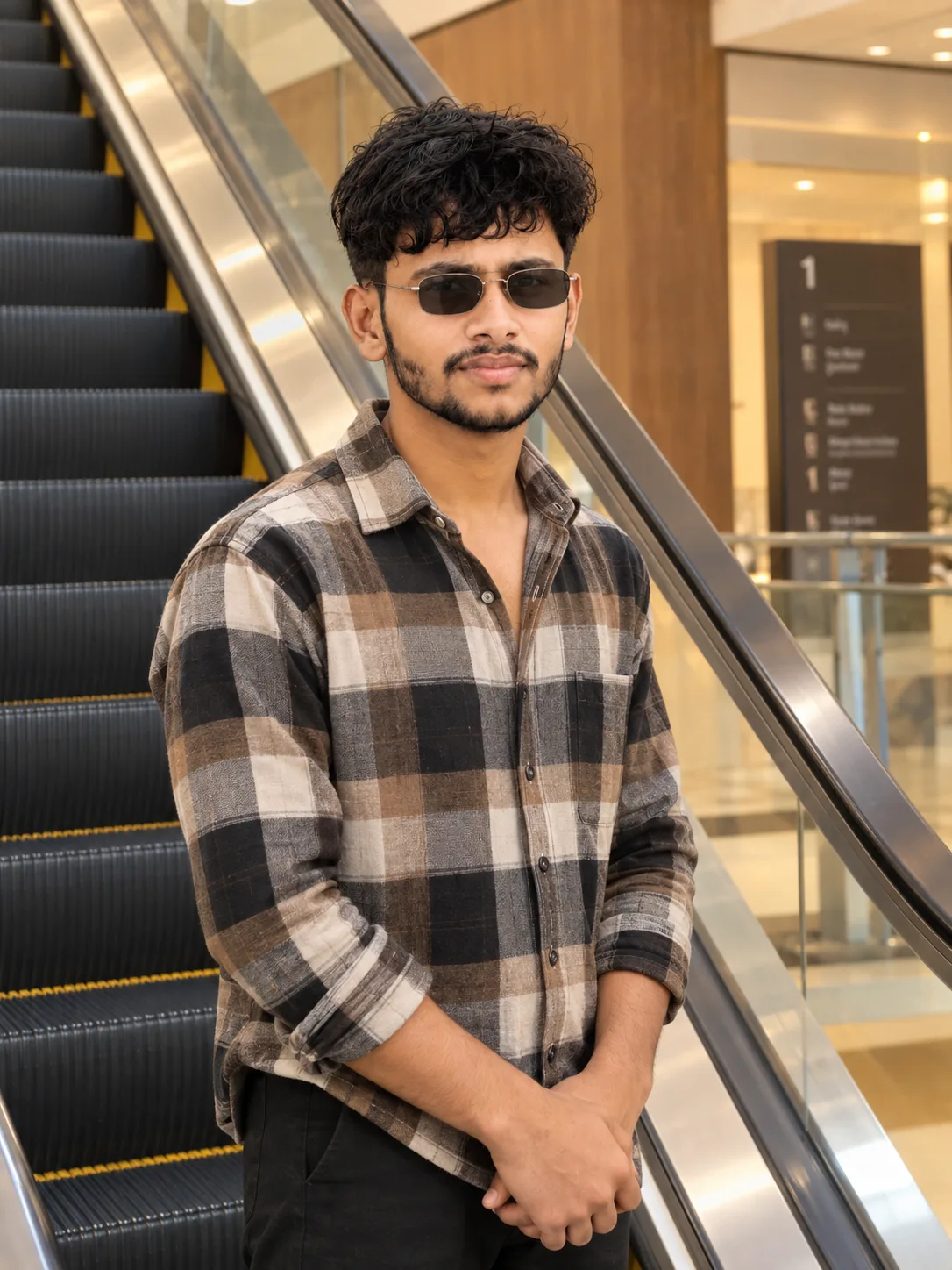
Escalator Portrait
Source: @promptography02
This prompt generates Escalator Portrait.
It is written for ChatGPT.
The prompt specifies 50mm.
One variable you can change is Photorealistic look.
How to use this prompt
- Model: ChatGPT.
- Subject: Escalator Portrait.
- Change Photorealistic look.
0 views · 0 copies · 0 favorites · 0 discussing
0Prompt
1 of 1 free copies left today
Use the uploaded reference image as the ABSOLUTE SCENE, COMPOSITION, POSE, AND IDENTITY BLUEPRINT. Recreate the photograph with maximum possible photographic fidelity and ZERO creative reinterpretation. The final image must look like an authentic high-end DSLR photograph captured in a real indoor environment, not an AI-generated image.

SUBJECT & IDENTITY:
Reproduce the young male subject exactly as visible in the reference. Preserve his complete facial identity and natural anatomy: face shape, forehead, hairline, eyebrows, eye shape and spacing, nose structure, cheekbones, jawline, lips, ears, facial hair pattern, skin tone, natural skin texture, pores, subtle asymmetry, and every recognizable facial characteristic. Preserve the exact apparent age and natural proportions. He is wearing small dark oval/rounded rectangular sunglasses with thin frames. Do not beautify, redesign, reconstruct, smooth, age, de-age, masculinize, feminize, stylize, or otherwise alter the face. If a separate image labeled [MY FACE] is supplied, replace ONLY the face/identity with [MY FACE] while retaining the reference scene, hairstyle direction, pose, clothing, body, lighting, and composition exactly.

HAIR & FACIAL HAIR:
Preserve the thick, voluminous dark hair with short-to-medium length and textured, naturally tousled/curled styling, including the exact hairline and direction of the strands. Preserve the neatly shaped short beard and moustache, including its density and natural edges.

EXPRESSION:
Match the reference expression precisely: relaxed, confident, slightly smiling expression with the lips subtly parted, head turned naturally toward the camera, calm and casual demeanor. Do not exaggerate the smile or change the emotional expression.

POSE & BODY POSITION:
Reproduce the exact standing pose on the escalator. The subject is positioned near the center-left of the frame, standing upright while facing toward the camera at a slight angle. Both forearms are positioned forward and downward, with the hands gently held together near waist level. Preserve the exact elbow angles, shoulder position, torso orientation, head tilt, hand placement, finger positioning, leg placement, and body proportions visible in the reference.

CLOTHING:
Reproduce the brown, cream, black, and muted-gray plaid/checkered button-up overshirt exactly, including the large irregular plaid pattern, fabric thickness, folds, seams, buttons, collar, rolled/slightly pushed-up sleeves, open upper buttons, and natural draping around the torso and arms. Preserve the black/dark trousers with their original fit, folds, texture, and silhouette. Do not redesign or recolor the clothing.

ACCESSORIES:
Preserve the dark sunglasses exactly in shape, size, frame structure, lens darkness, position on the face, reflections, and orientation. No additional accessories.

ENVIRONMENT:
Recreate the exact indoor escalator environment visible in the reference. The subject is standing beside/on an escalator with dark ribbed moving steps, prominent yellow safety-edge markings, metallic side panels, dark handrails, and diagonal structural elements. Preserve the warm wood-paneled interior in the background, beige/cream architectural surfaces, railing structures, glass/metal elements, and the partially visible information/sign panel behind the subject. Maintain the original spatial arrangement and perspective of every major background element.

COMPOSITION & FRAMING:
Use the reference's original vertical portrait composition and approximately 3:4 aspect ratio. Preserve the same crop, camera height, camera-to-subject distance, subject scale, headroom, negative space, and positioning. The subject occupies the central vertical region while diagonal escalator rails create strong leading lines through the frame. Do not center, zoom, crop, rotate, or recompose the scene differently.

CAMERA & OPTICS:
Simulate a professional full-frame DSLR/mirrorless camera using approximately a 50mm equivalent portrait lens, around f/2.8–f/3.5, producing natural perspective with mild background separation. Camera positioned approximately at upper-torso/chest-to-eye level and angled slightly toward the subject from the escalator environment. Preserve the reference's natural perspective, moderate depth compression, realistic proportions, and subtle edge falloff. Avoid excessive wide-angle distortion.

FOCUS & DEPTH OF FIELD:
Critical focus on the subject's face, sunglasses, hair, and upper body. Maintain realistic fine-detail sharpness across the subject while allowing the farther background to fall into a soft, natural shallow-to-moderate depth of field. Escalator structures closer to the camera may appear slightly softer due to depth and lens focus. Background blur must remain photographic and physically plausible rather than artificial.

LIGHTING:
Reproduce the warm indoor ambient lighting of the reference. Soft warm overhead/architectural illumination falls naturally across the subject, producing gentle highlights on the face, hair, sunglasses, shirt, and metallic escalator surfaces. Preserve subtle directional shadows beneath the hair, chin, collar, arms, and clothing folds. Maintain realistic reflected light from the surrounding cream surfaces, glass, wood, and metal.

MATERIAL & TEXTURE FIDELITY:
Render authentic skin pores and fine facial texture, individual hair strands, beard hairs, cotton/flannel fabric fibers, natural clothing wrinkles, brushed metal, glass reflections, rubber handrails, ribbed escalator steps, wood grain, painted architectural surfaces, and printed sign materials. Every material should respond to light according to its real physical properties.

COLOR PALETTE & GRADING:
Preserve the reference's warm cinematic palette: honey-gold, beige, cream, brown, dark charcoal, and muted black tones. Apply subtle professional photographic color grading with warm white balance, controlled highlights, natural skin tones, moderately rich shadows, restrained saturation, gentle contrast, and realistic tonal transitions. Do not introduce teal-orange stylization or excessive cinematic effects.

PHOTOGRAPHIC CHARACTER:
Authentic high-end DSLR/mirrorless photography, ultra-realistic 8K UHD detail, physically accurate lighting, realistic skin rendering, natural micro-contrast, accurate material response, subtle HDR tonal range, smooth highlight roll-off, deep but detailed shadows, realistic exposure, natural dynamic range, fine photographic grain, genuine optical rendering, and believable lens characteristics. Preserve slight real-world photographic softness rather than excessive digital sharpness.

OPTICAL CHARACTERISTICS:
Include only subtle physically plausible lens behavior: very mild natural lens softness toward the edges, restrained highlight bloom, realistic glass/metal reflections, subtle depth-dependent blur, natural vignetting, and extremely mild chromatic aberration only where optically plausible. No exaggerated lens flare, artificial glow, fake bokeh, or excessive sharpening.

REALISM REQUIREMENT:
The result must appear as a genuine photograph taken inside a modern shopping/architectural interior with a professional camera. No CGI appearance, no illustration aesthetics, no plastic skin, no artificial facial reconstruction, no overprocessed HDR, and no synthetic AI texture. Preserve the exact visual character and photographic imperfections of the reference.

ABSOLUTE PRESERVATION RULE:
Do not change the subject's identity, pose, expression, body proportions, clothing, sunglasses, hairstyle, camera perspective, escalator geometry, background arrangement, lighting direction, color palette, crop, framing, or photographic character. PRIORITIZE REFERENCE ACCURACY OVER CREATIVITY.

OUTPUT:
8K UHD, ultra-photorealistic, DSLR-quality, high-resolution professional photograph, realistic skin and fabric micro-detail, physically accurate lighting and shadows, natural depth of field, authentic optical rendering, same-to-same visual recreation.
Similar prompts
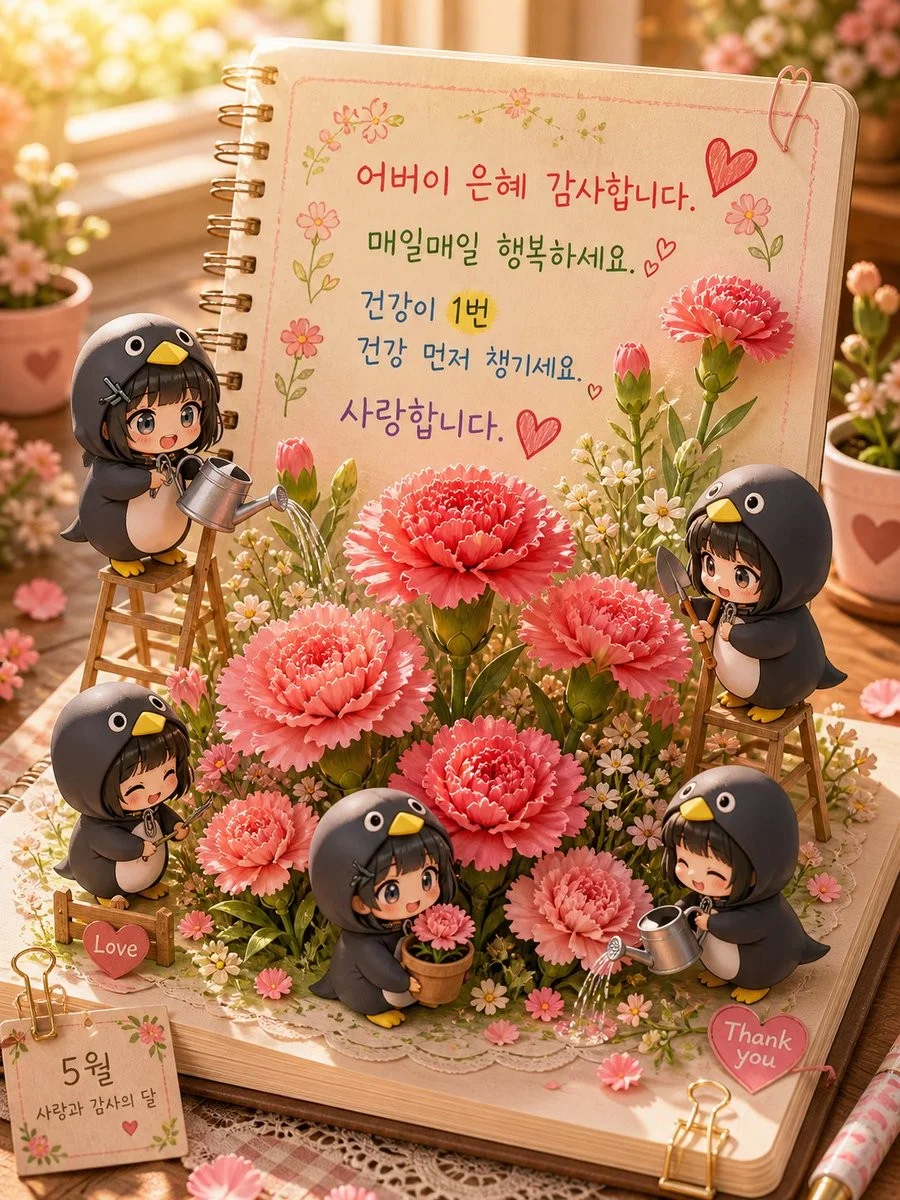
3D Pop-up Parents Day Card
3D 노트 위 꽃이 입체적으로 피어나는 장면, 첨부된 사진의 미니 캐릭터들이 물주고 가꾸는 모습, {argument name="날씨" default="따뜻한 5월 햇살"}, 캐리커처 스타일, 밝고 사랑스러운 분위기, 실제 꽃처럼 디테일하게,
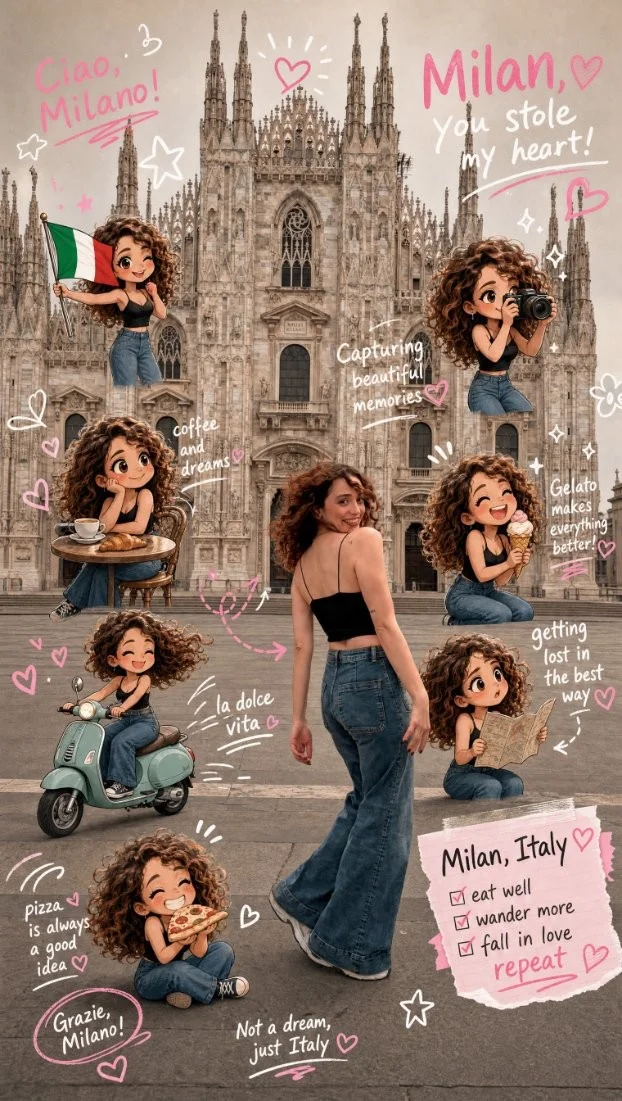
Chibi Scrapbook Photo Transformation
remove the people around the main character, Add multiple small, cute chibi-style “mini versions” of her around the image.
AI Photo Generation Guide
1. Open Gemini / Grok / GPT Image 2.0 2. Upload your photo 3. Copy the prompt 4. Generate 5. Prompt ⤵️ https://t.co/ufvHABxbuM
Depth in Image Generation
🤯 Images 2.5 is so good at building depth!
AI Sticker-Cutout Photo Effect
How to get this viral sticker-cutout photo effect with AI GPT image 2 on chatgpt Prompt👇 https://t.co/Re6oPaU3zv
Photo made of words
Your photo, but made entirely from words 🤯👇 ① Open Gemini / Grok / GPT Image 2.0 ② Add your photo ③ Paste the prompt ④ Generate.
Photo to Hand-Drawn Art
Turn your photo into a hand-drawn masterpiece ✍️🖤 ① Upload your photo ② Copy this prompt ③ Generate ④ Done.
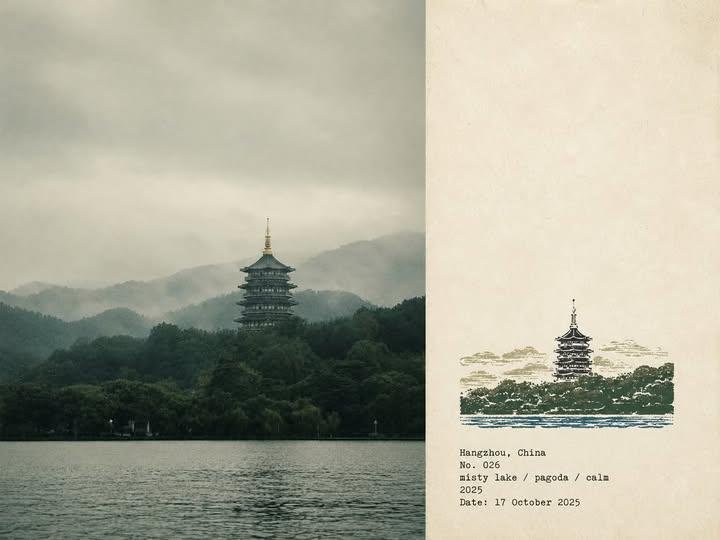
Rubber Stamp Travel Field Notes Poster
GPT image 2 on chatgpt Prompt👇 Please create a separate "Rubber Stamp Travel Field Notes Poster" for each photo I upload, outputting each
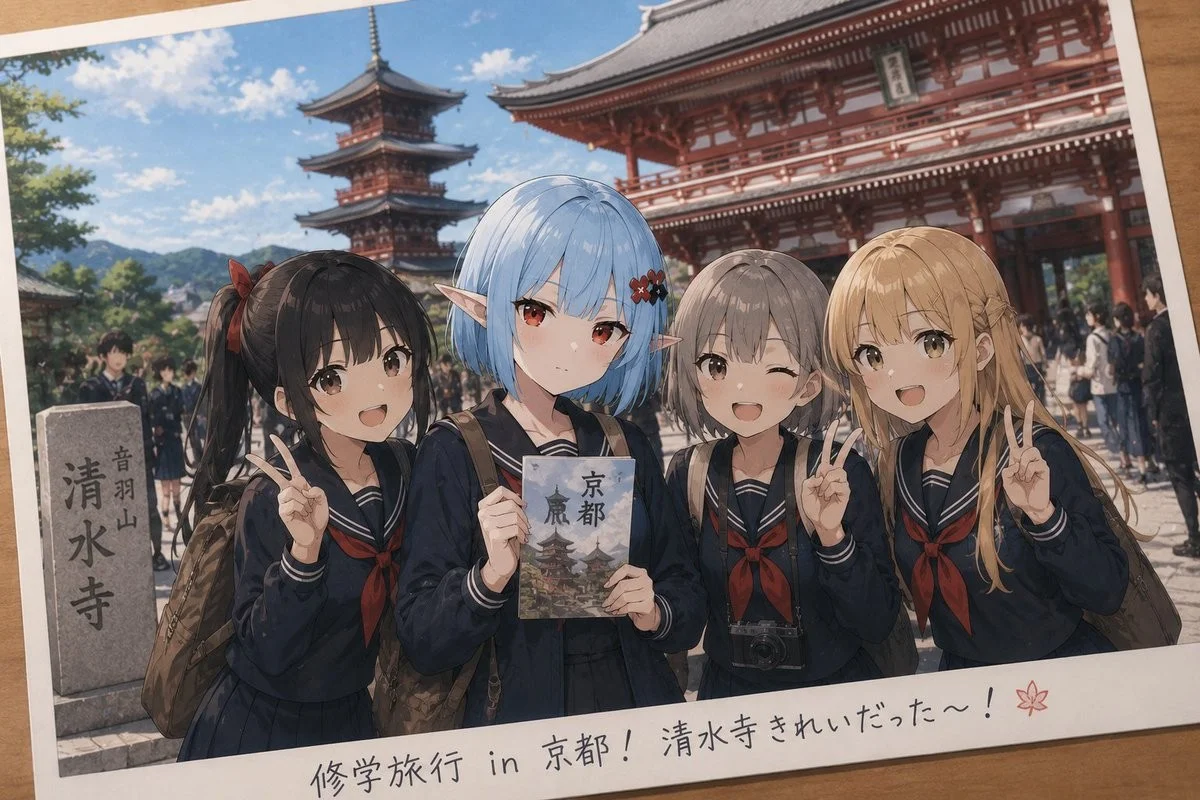
Event Photo Synthesis Illustration
Generate a single illustration based on the school trip photos.
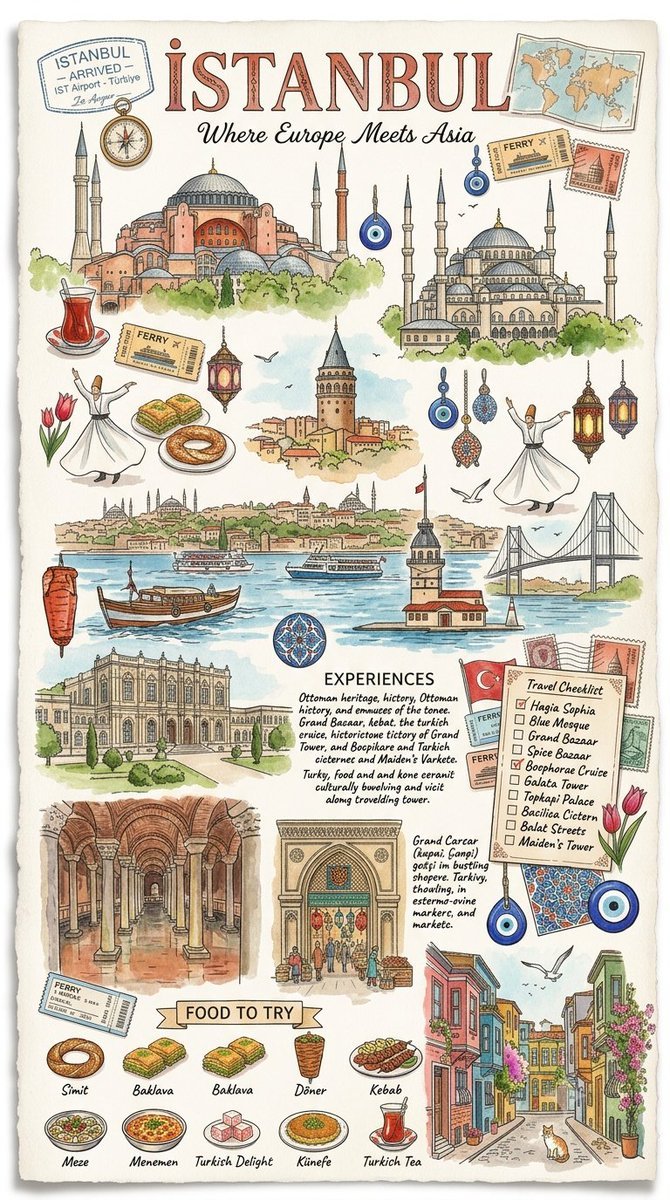
Istanbul Travel Journal Collage
Image created on Gpt 2 Prompt: Ultra-realistic hand-painted watercolor travel collage with soft ink outlines, vintage travel journal
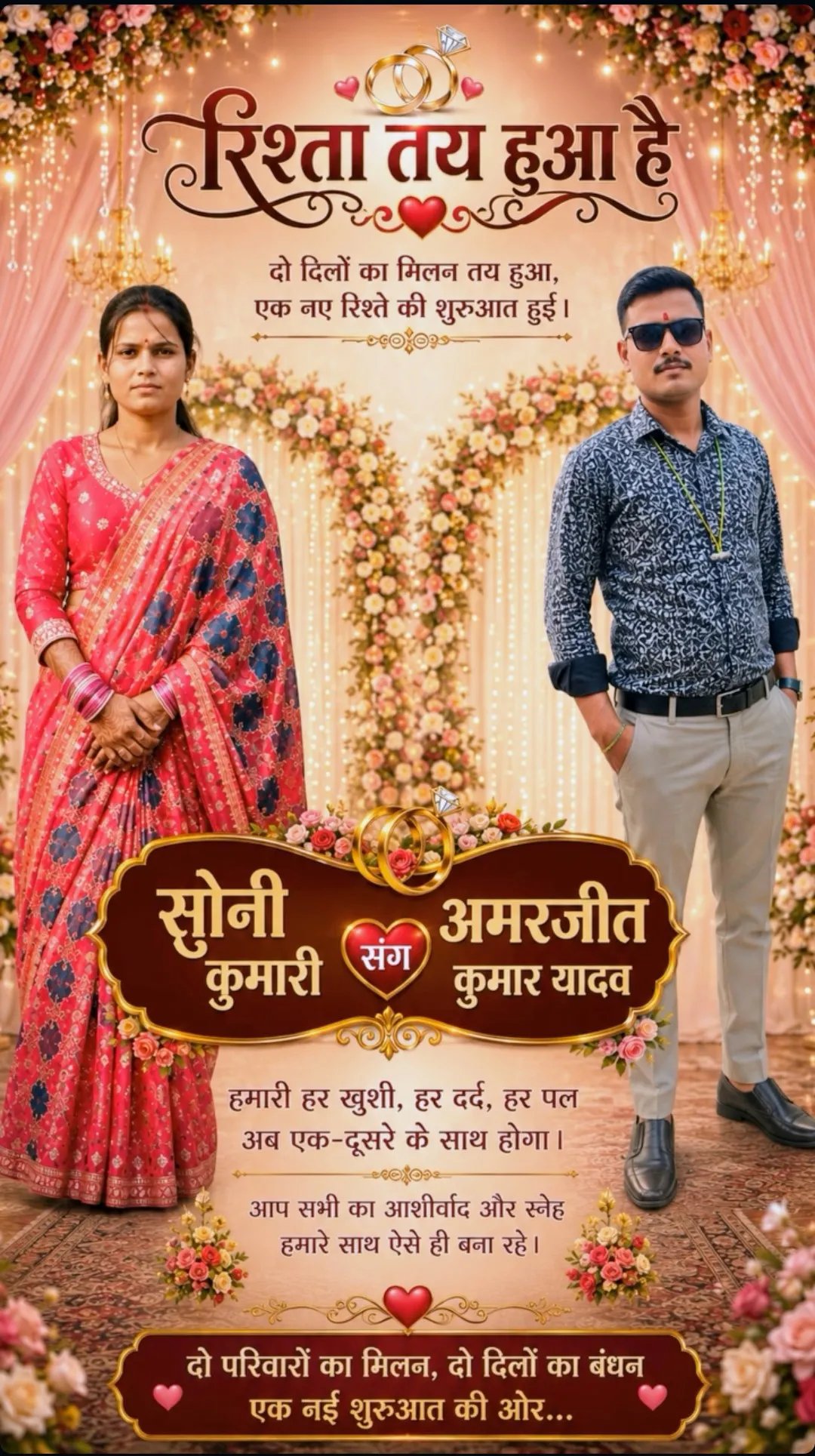
Indian Wedding Invitation Card
"एक भव्य भारतीय डिजिटल वेडिंग इनविटेशन कार्ड (Digital Wedding Invitation Card)। बैकग्राउंड में हल्के गुलाबी और सुनहरे रंग के पर्दे
Cat Ruins Photo
GPT Image 2 on ChatGPT Prompt: Use the uploaded reference image as the primary facial reference.