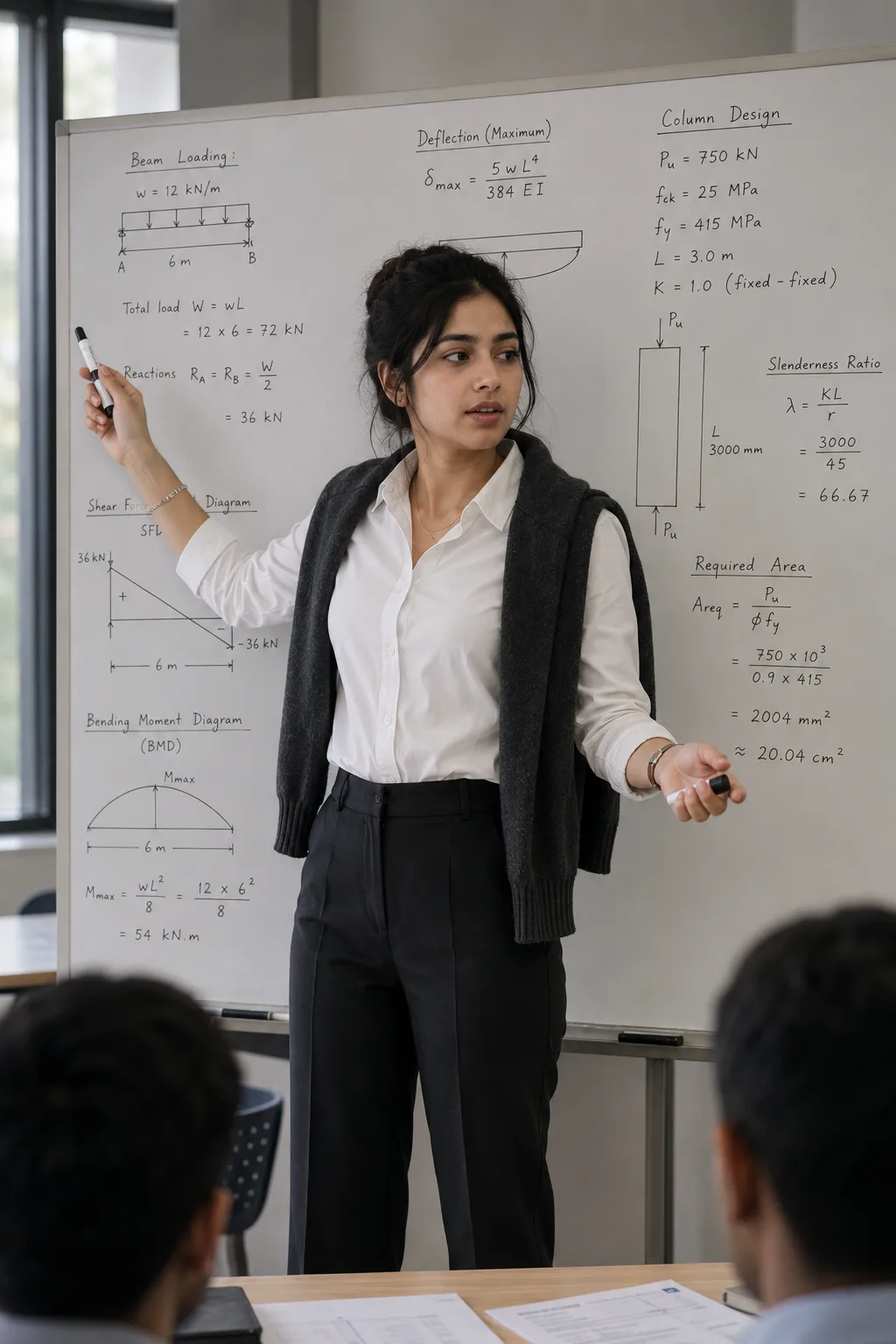
Technical Classroom Portrait | Cinematic Academic Photography
Source: @faymas
This prompt generates Technical Classroom Portrait | Cinematic Academic Photography.
The prompt specifies full body.
One variable you can change is Photorealistic look.
How to use this prompt
- Subject: Technical Classroom Portrait | Cinematic Academic Photography.
- Change Photorealistic look.
0 views · 0 copies · 0 favorites · 0 discussing
0Prompt
1 of 1 free copies left today
Use my uploaded photo as the ONLY reference image.

Create a highly photorealistic professional photograph of the SAME PERSON from my uploaded reference photo, preserving their identity exactly, but place them into the following scene and recreate the described composition, pose, styling, lighting, camera perspective, and color grading.

IDENTITY PRESERVATION — HIGHEST PRIORITY:

The uploaded image is the ONLY identity reference.

Preserve the person's exact recognizable identity and natural appearance.

Keep:

- exact facial structure
- face shape
- facial proportions
- eyes and eye shape
- eyebrows
- nose shape
- lips and mouth
- jawline
- cheekbones
- natural skin tone
- natural facial asymmetry
- distinctive facial characteristics
- natural age
- natural gender presentation
- recognizable identity

Do NOT turn the person into a generic model.
Do NOT replace or redesign their face.
Do NOT beautify their face.
Do NOT make their facial features more symmetrical.
Do NOT change their ethnicity or natural appearance.

The final image must clearly look like the person in my uploaded photo.

SCENE:

Place the person inside a modern university classroom, engineering classroom, technical laboratory, or academic presentation room.

The person is standing in front of a large whiteboard covered with realistic handwritten technical notes, equations, engineering diagrams, measurements, arrows, annotations, and rough sketches.

The environment should feel like an authentic classroom where a technical presentation or lesson is taking place.

Include subtle background elements such as:

- whiteboard
- handwritten equations
- engineering drawings
- technical documents
- classroom furniture
- desks or chairs
- subtle students or silhouettes in the lower foreground
- realistic indoor architectural details

Keep the background visually understated so the person remains the primary subject.

POSE AND BODY LANGUAGE:

Create a natural academic presentation pose.

The person stands upright with a confident but relaxed posture.

Their torso faces generally toward the camera while their head turns slightly toward one side.

Their eyes look slightly away from the camera with a calm, focused, intelligent expression.

One arm is raised toward the side of the whiteboard, with the hand naturally holding a whiteboard marker as if explaining or writing something.

The opposite arm extends naturally forward and slightly outward, with the hand holding another marker or small writing object.

Reproduce realistic:

- shoulder positioning
- elbow angles
- wrist positioning
- hand placement
- finger anatomy
- body proportions
- natural posture

The pose should feel candid and spontaneous rather than staged.

Adapt the pose naturally to the person's actual body proportions and gender from the uploaded reference.

WARDROBE:

Give the person a sophisticated contemporary academic/professional outfit.

Use a clean white button-up shirt combined with dark charcoal or black trousers and a dark charcoal knitted sweater/cardigan casually draped over the shoulders.

The clothing should have:

- realistic fabric texture
- natural wrinkles
- believable folds
- subtle stitching
- realistic thickness
- relaxed professional fit

Adapt the clothing naturally to the person's gender and body type.

For a male subject, use a masculine interpretation of the outfit.

For a female subject, use a naturally feminine interpretation while maintaining the same overall academic aesthetic, color palette, and visual concept.

Keep accessories minimal and realistic, such as a simple necklace, bracelet, watch, or glasses if appropriate.

CAMERA AND COMPOSITION:

Vertical 4:5 portrait photograph.

Medium-full body framing.

The person occupies most of the frame while enough of the classroom remains visible.

Position the subject approximately in the center of the composition.

One raised hand and marker should appear toward the upper-left region of the frame.

The opposite hand should extend toward the lower-right region.

The whiteboard should fill much of the background.

Camera approximately at chest-to-eye level with a subtle natural perspective.

Use a realistic full-frame camera with approximately 50mm–70mm lens characteristics.

Moderate depth of field.

The person's face, eyes, hands, and clothing should remain sharp while the distant classroom background becomes slightly softer.

LIGHTING:

Use soft natural indoor daylight coming through large classroom windows.

Create:

- soft facial illumination
- gentle shadows
- natural highlight rolloff
- subtle directional light
- realistic ambient illumination
- balanced exposure

Avoid dramatic studio lighting.

Avoid harsh flash.

Avoid neon lighting.

Avoid excessive HDR.

COLOR GRADING:

Use a muted cinematic color grade.

Overall palette:

- neutral white
- cool gray
- charcoal
- subtle muted tones
- natural skin colors

Use slightly cool environmental tones contrasted with naturally warm skin.

Keep saturation restrained.

Use soft cinematic contrast with gently controlled highlights and shadows.

The final image should feel like a frame from a premium contemporary film or high-end editorial photograph.

Do not make the image overly colorful.

Do not use an obvious social-media filter.

SKIN REALISM — CRITICAL:

The person's skin must remain completely natural.

Show:

- realistic pores
- fine facial texture
- subtle imperfections
- natural under-eye detail
- realistic lips
- natural skin variation
- individual hair strands

ABSOLUTELY NO:
plastic skin
waxy skin
porcelain skin
airbrushed skin
beauty filter
excessive smoothing
fake skin glow
over-retouched face
CGI skin
perfect artificial complexion

Do not make the person look like an AI fashion model.

HAIR:

Preserve the person's natural hairstyle and hair characteristics from the uploaded reference image.

Keep realistic hair density, texture, volume, flyaway strands, and natural imperfections.

Do not unnecessarily redesign the hairstyle.

HANDS AND ANATOMY:

Hands must be anatomically correct.

Five fingers per hand.
Correct finger proportions.
Natural joints.
Natural grip on the marker.
No fused fingers.
No extra fingers.
No distorted wrists.
No malformed arms.

PHOTOGRAPHIC REALISM:

The final result must look like an authentic photograph captured with a professional camera.

Highly photorealistic.
Natural skin.
Natural hair.
Realistic anatomy.
Realistic hands.
Realistic fabric.
Realistic classroom materials.
Realistic whiteboard writing.
Natural lens characteristics.
Subtle photographic grain.
Natural depth of field.
Realistic shadows and reflections.

Do not create an illustration, painting, anime character, 3D render, CGI character, or artificial-looking AI portrait.

FINAL INSTRUCTION:

Use the uploaded photo ONLY to preserve the person's identity.

Everything else should be newly generated according to this prompt.

The final photograph should look as if the SAME PERSON from my uploaded image was genuinely photographed while giving a technical presentation inside a modern classroom, with the exact cinematic academic aesthetic, composition, pose, muted color grading, and photographic atmosphere described above.
Similar prompts
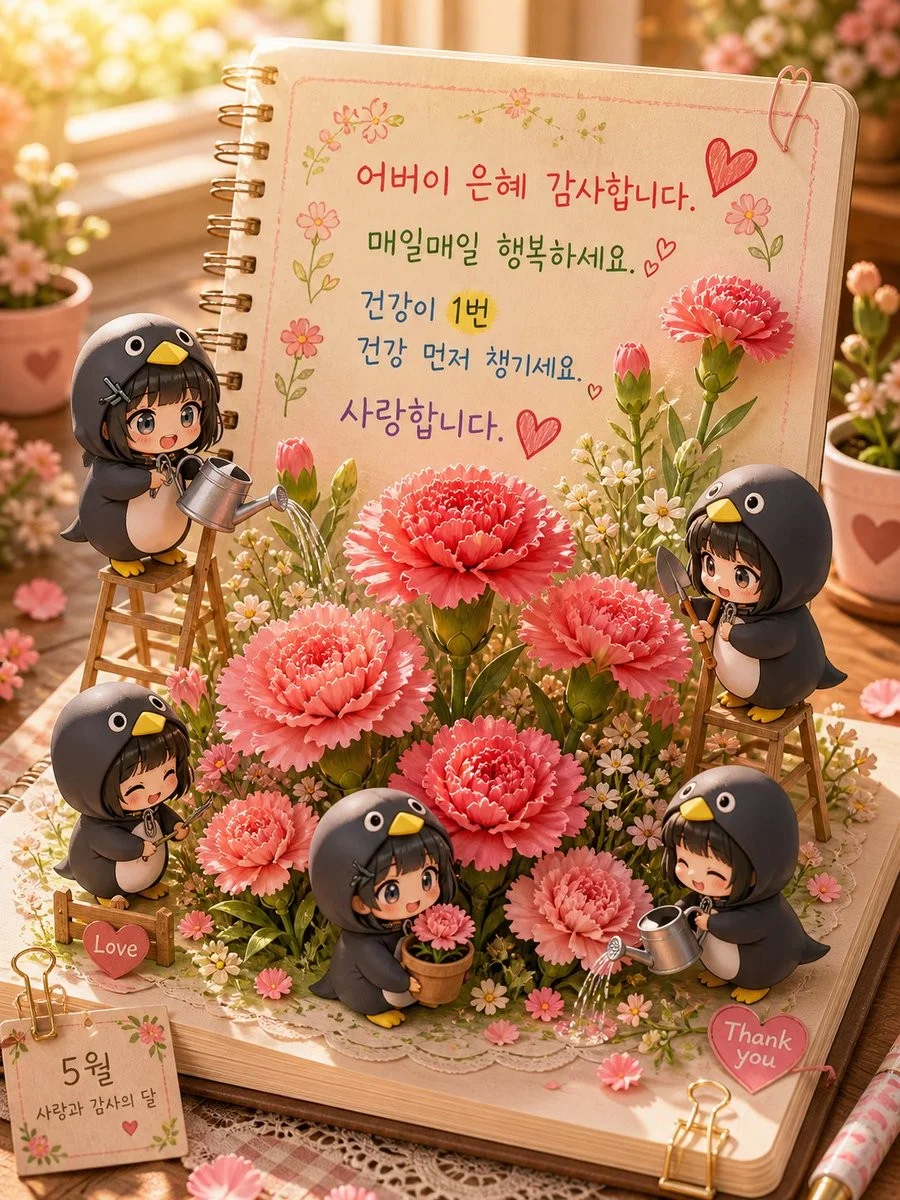
3D Pop-up Parents Day Card
3D 노트 위 꽃이 입체적으로 피어나는 장면, 첨부된 사진의 미니 캐릭터들이 물주고 가꾸는 모습, {argument name="날씨" default="따뜻한 5월 햇살"}, 캐리커처 스타일, 밝고 사랑스러운 분위기, 실제 꽃처럼 디테일하게,
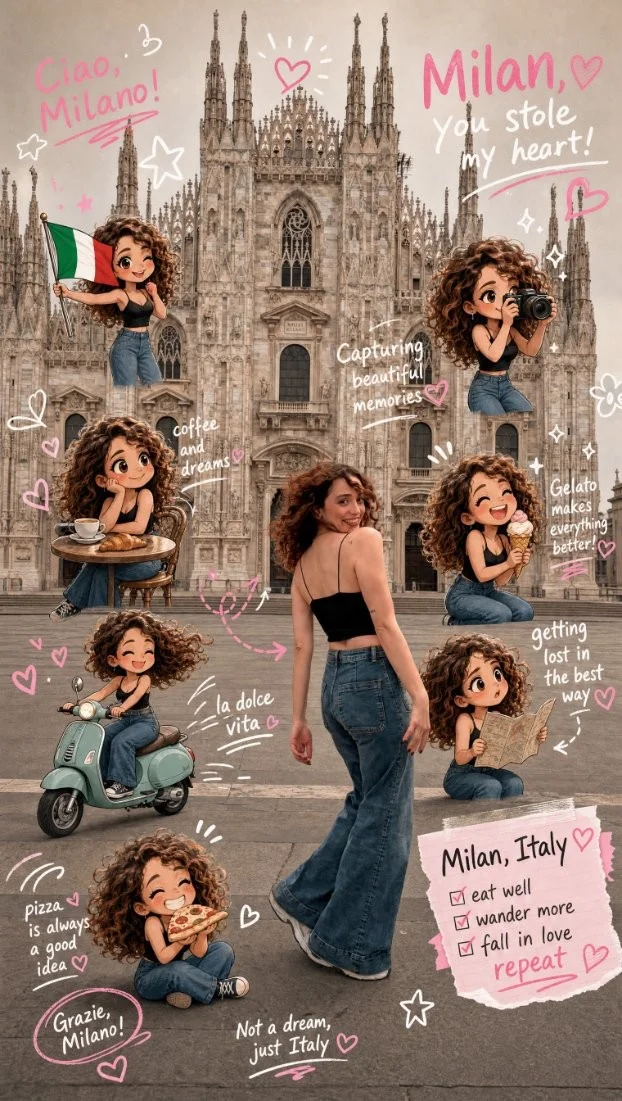
Chibi Scrapbook Photo Transformation
remove the people around the main character, Add multiple small, cute chibi-style “mini versions” of her around the image.

Illustration Art Style Creation
{ "type": "2x2 grid of banner advertisements", "theme": "{argument name=\"main theme\" default=\"SNSスクール\"} for {argument name=\"target
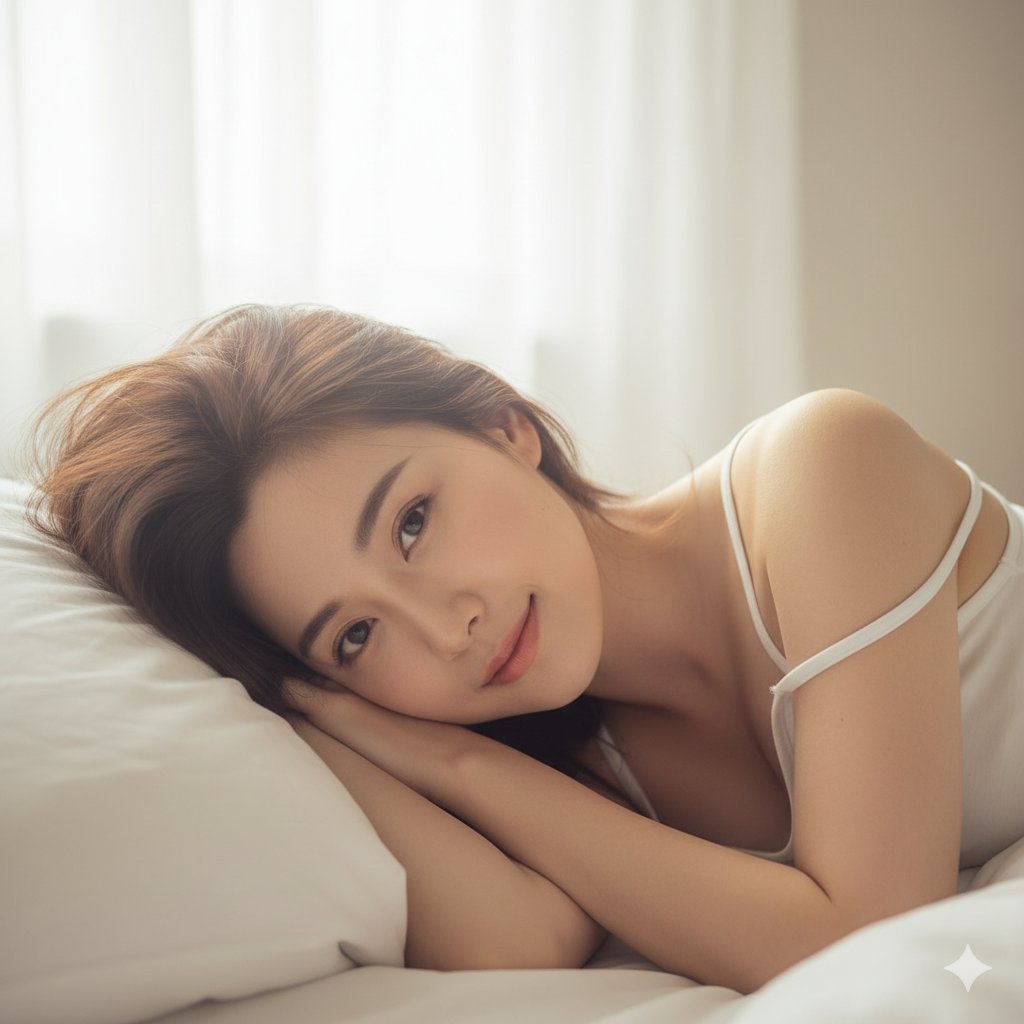
Sleepy Girl on a White Pillow
{ "scene": { "location": "Bedroom, in bed", "background": "White pillows and soft, rumpled bedsheets, soft morning light" }, "subject": {
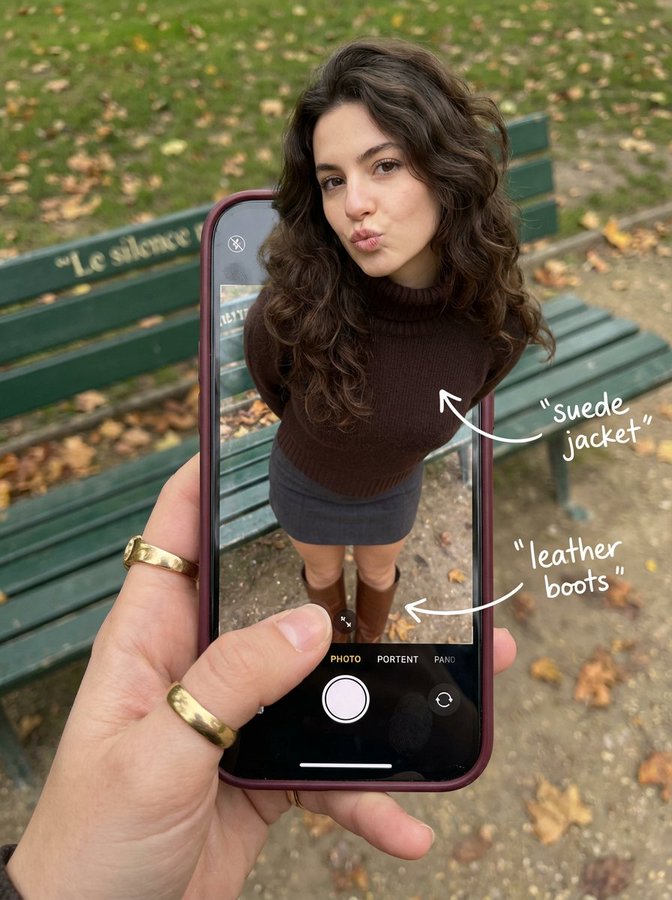
A Woman is Walking Out of Her Phone Screen
{ "subject": { "description": "A hyper-realistic optical illusion photograph.
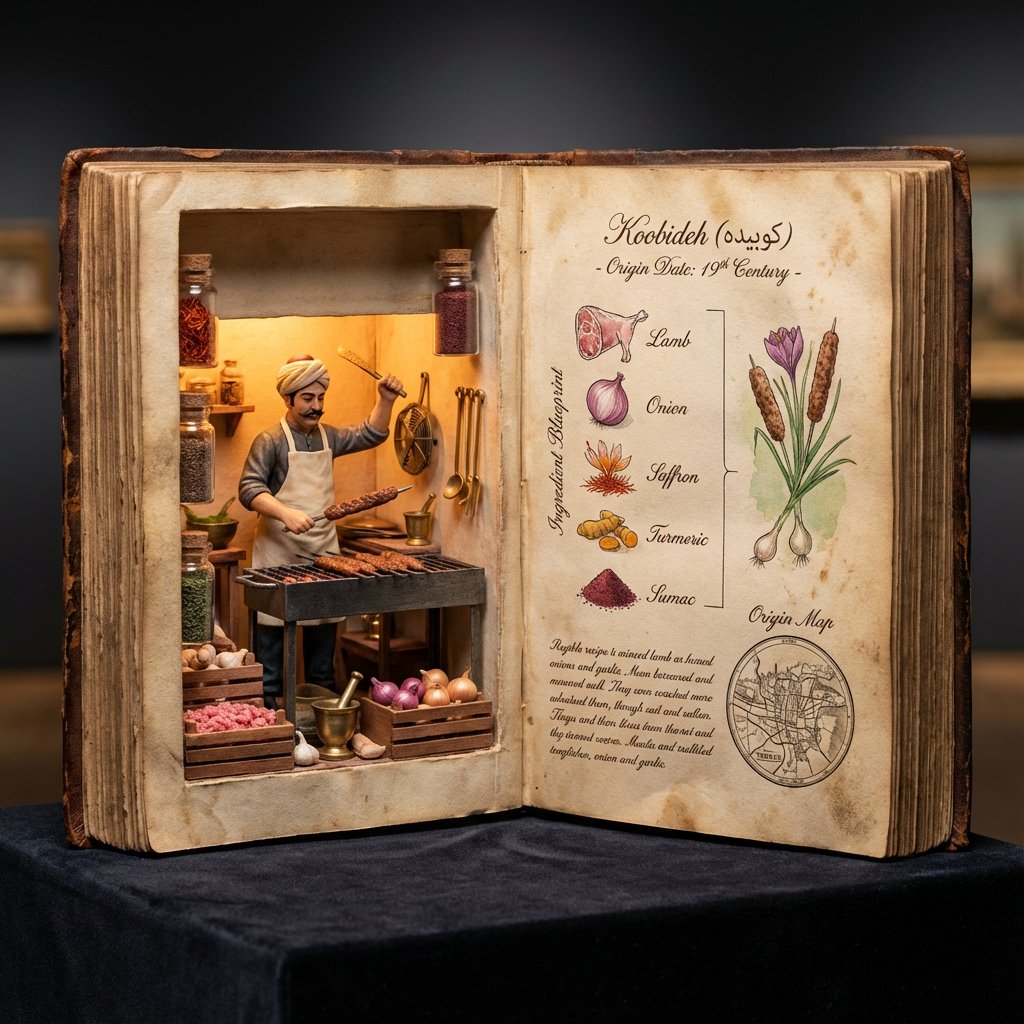
Museum Specimen Photography
<指令> 输入A:用户上传图片或分享菜品名称。 逻辑推理:确定历史上的发明者(例如,拉斐尔·埃斯波西托或亨利·夏庞蒂埃)以及确切的发明年份。 任务:拍摄一张超写实的 4:5 微距照片,照片内容为一本超大尺寸的、打开的古董烹饪手抄本,放置在深色天鹅绒博物馆底座上。
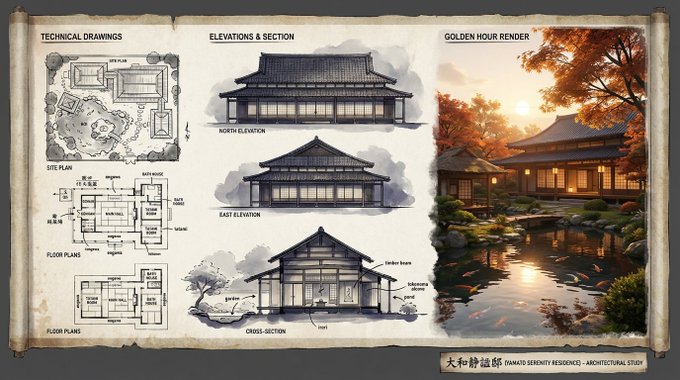
Presentation Board Made for a Residence by an Architectural Illustrator
An expert architectural illustrator's presentation board for a [STYLE] residence featuring [KEY ARCHITECTURAL ELEMENTS].
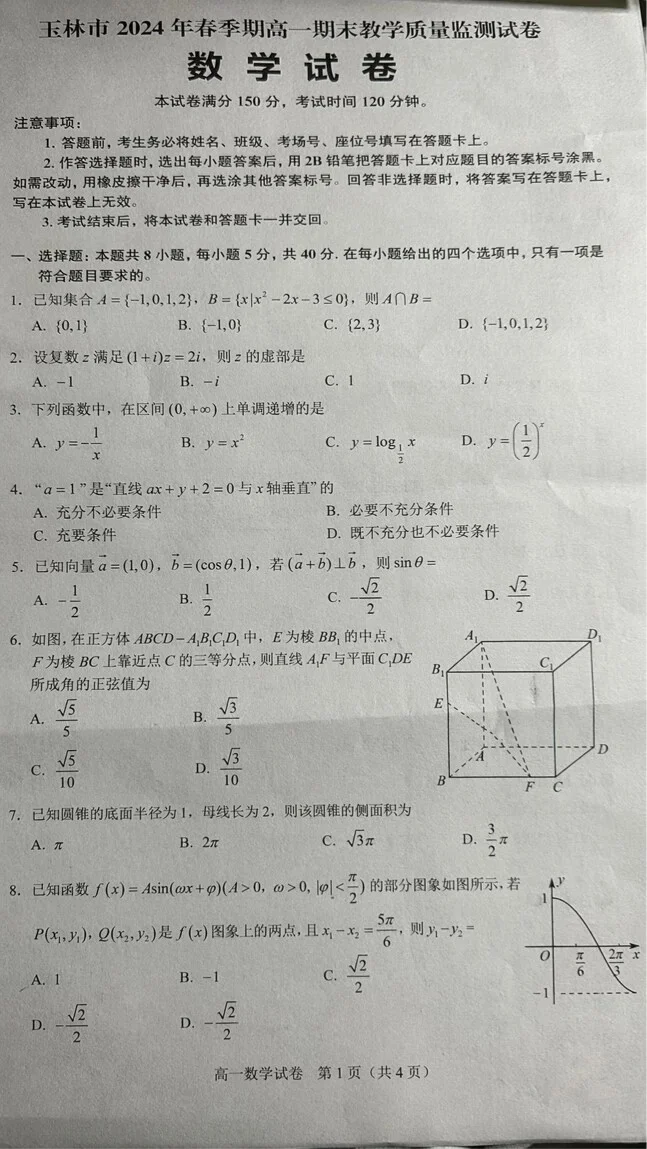
Infographic Visualization Design
A realistic photo of a Chinese high school math exam paper, printed inblack and white on slightly gray paper, titled “数学试卷”, with
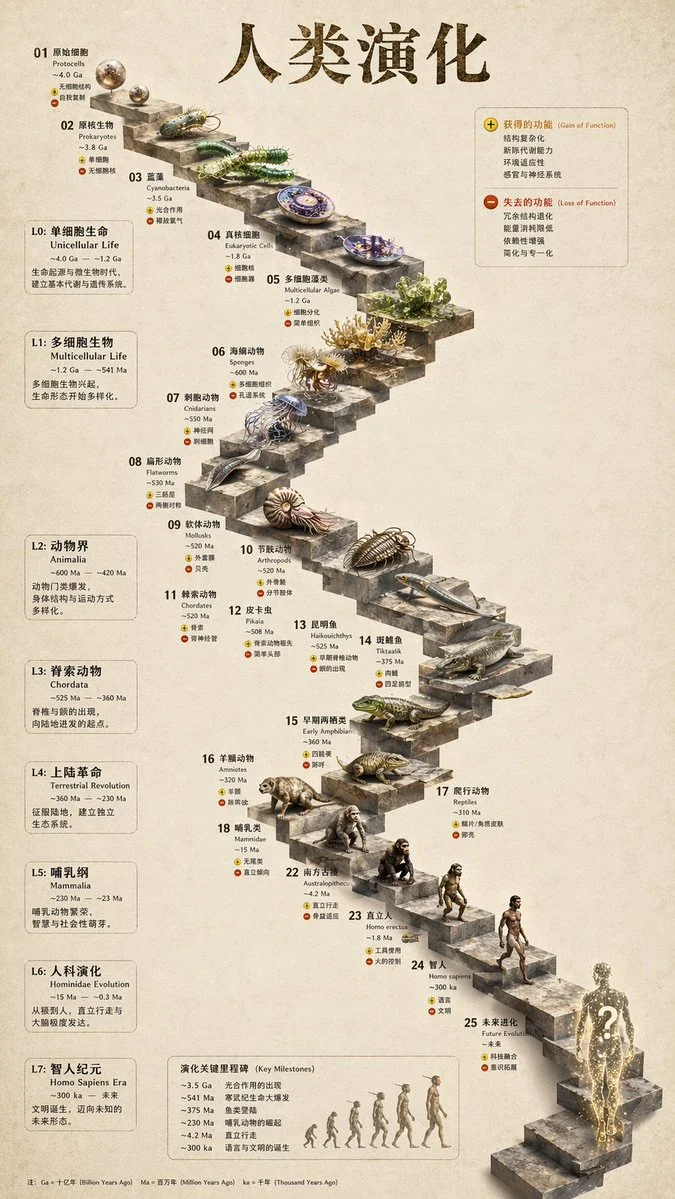
Infographic Visualization Design
{ "type": "evolutionary timeline infographic", "instruction": "Using REFERENCE_0 as a structural base, transform the flat vector design
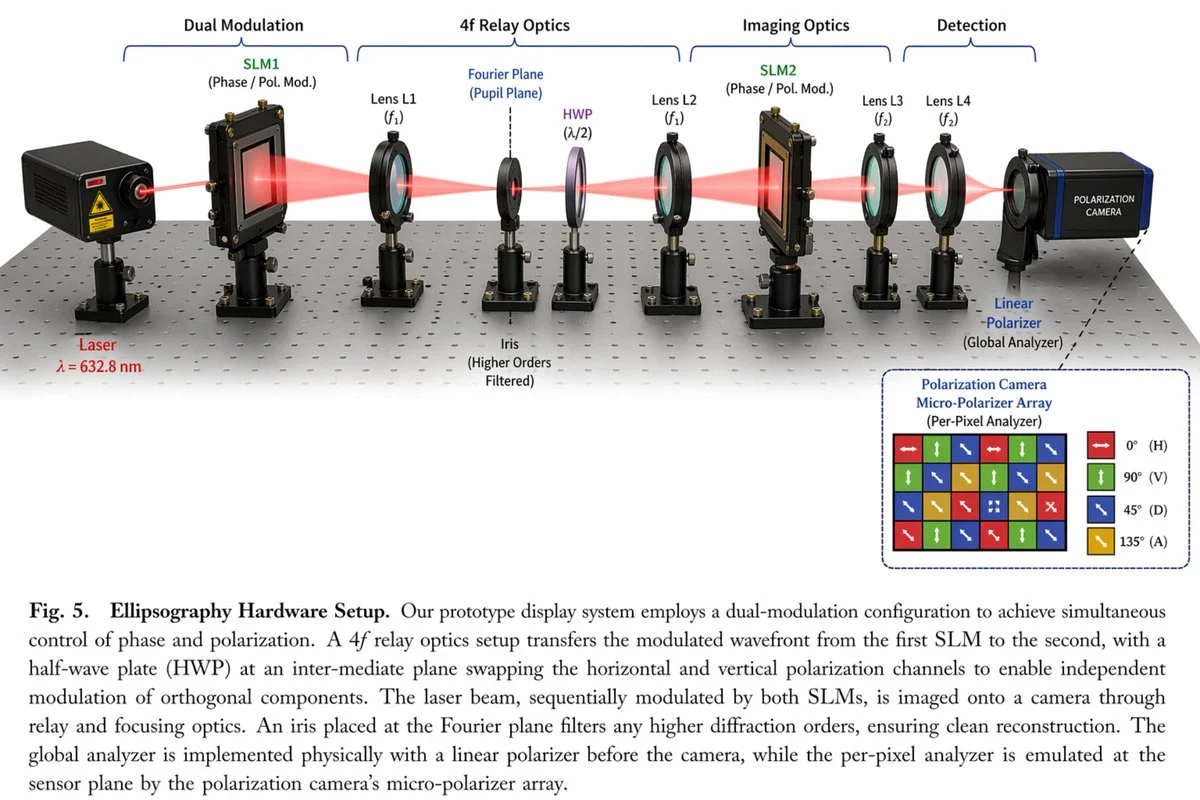
Realistic Photography Style Image
{ "type": "scientific hardware diagram", "layout": { "main_scene": "3D render of an optical table with a red laser beam passing through 11
Girl Changing Clothes
{ "scene": { "location": "A minimalist, dark bedroom or dressing room", "background": "A simple, dark grey wall, out of focus" },
Hyper-Realistic Graffiti Breakthrough
hyper-realistic photo, 8k, low-angle wide lens, looking up at massive concrete graffiti wall, derelict train yard, urban Surabaya