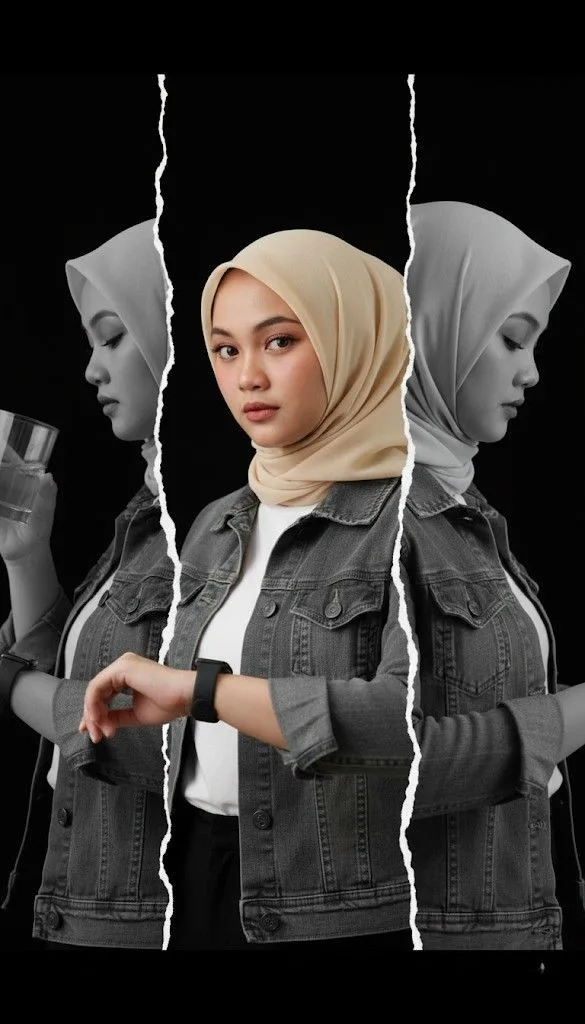
Torn Paper Triptych Portrait
Source: @rehman
This prompt generates Torn Paper Triptych Portrait.
It is written for ChatGPT.
The prompt specifies three-quarter.
One variable you can change is Photorealistic look.
How to use this prompt
- Model: ChatGPT.
- Subject: Torn Paper Triptych Portrait.
- Change Photorealistic look.
0 views · 0 copies · 0 favorites · 0 discussing
0Prompt
1 of 1 free copies left today
Use the uploaded user photo as the ONLY identity reference for the main human subject. Preserve the user's exact recognizable identity with maximum fidelity: facial structure, face shape, forehead, eyebrows, natural eye shape and spacing, nose, lips, mouth structure, jawline, cheekbones, chin, skin tone, natural skin texture, hairline, hairstyle characteristics, facial hair if present, and all distinctive facial features. Do not copy the identity of the woman in the reference image. Do not beautify, redesign, slim, widen, age, de-age, feminize, masculinize, or otherwise reinterpret the user's face. The user's identity must remain unmistakably recognizable.
Recreate the reference image as a precise studio fashion portrait with a dramatic three-panel torn-paper composition. The final image is a vertical 2:3 portrait, approximately 768×1152 proportions, with a pure deep-black background filling the entire frame. The same person appears three times in the composition: one central primary portrait in full natural color and two mirrored/duplicated side portraits rendered in monochrome black-and-white. All three figures represent the SAME USER IDENTITY; the side figures must not introduce a different face or person.
CENTER SUBJECT: Place the main subject centrally, occupying most of the vertical frame from approximately the upper chest to just below the waist. The body faces mostly forward with a slight three-quarter orientation, shoulders relaxed and squared toward the camera. The head is turned slightly toward the viewer, with the face looking directly into the camera. Match the reference's calm, serious, composed editorial expression: relaxed eyebrows, gently focused eyes, closed lips with a subtle neutral expression, no smile, no exaggerated emotion. Reconstruct this expression independently of the user's source-photo expression. The head is upright with the same approximate angle and position as the reference. Preserve natural facial anatomy while matching the reference's gaze, eye openness, mouth position, and facial attitude.
The central subject wears a light beige/cream hijab or headscarf wrapped closely around the head and neck in the same smooth layered fashion as the reference, only if compatible with the requested gender/style; otherwise adapt the head covering/styling naturally without altering identity. Over the upper body, recreate the same medium-gray washed denim jacket with visible seams, flap chest pockets, metal buttons, textured denim fabric, and slightly relaxed fit. Under the jacket is a plain white crew-neck shirt. The subject wears a dark wristwatch on the wrist visible across the front of the body. Reproduce the reference's crossed-arm gesture precisely: one forearm extends horizontally across the lower chest/upper abdomen while the opposite hand rests naturally near the opposite forearm/wrist, creating the same overlapping-arm silhouette. Keep fingers anatomically correct, relaxed, and naturally positioned.
SIDE SUBJECTS: Create two secondary versions of the same person positioned behind and partially obscured by the central subject, one on the far left and one on the far right. Both side figures are turned into clean left/right-facing profile views, with heads angled slightly downward and eyes closed or softly lowered exactly as seen in the reference. Their expressions are serene, introspective, and neutral. The left figure faces toward the left edge of the image; the right figure faces toward the right edge, creating a symmetrical mirrored arrangement around the central portrait. Both side versions wear the same beige/light head covering and gray denim jacket, but render them entirely in grayscale with realistic tonal separation and soft highlights. Keep their facial identity consistent with the user's uploaded face rather than creating new people.
The side figures should be slightly larger/wider behind the central figure, with their shoulders and torsos extending toward the outer edges of the frame. Their bodies are partially hidden by the central subject and by the torn-paper boundaries. Preserve the reference's layered depth: central color portrait clearly in front, grayscale profiles behind on both sides.
Create TWO prominent vertical torn-paper seams dividing the three visual sections. One irregular white ripped-paper edge runs from near the top edge downward between the left grayscale portrait and the central portrait, slightly wavering and jagged. A second matching torn white-paper edge runs vertically between the central portrait and right grayscale portrait. The torn edges have rough fibrous paper texture, uneven contours, tiny ragged strands, and bright off-white highlights against the black background. The paper tears should feel physically layered over the portrait composition, producing a convincing collage/poster effect. Do not make the tears perfectly straight or geometric.
BACKGROUND: completely black, seamless, matte, and distraction-free. No scenery, no architecture, no props except the subtle transparent glass/cup visible near the left side figure's hand if necessary to reproduce the reference composition. Maintain the strong black negative space surrounding the portraits and between the upper edges of the figures.
LIGHTING: premium controlled studio lighting. Use a large soft frontal key light on the central subject, producing gentle illumination across the face, natural skin texture, soft cheek and jaw definition, subtle highlights in the eyes, and smooth but realistic tonal transitions. Add restrained side lighting to separate the subject from the black background. The grayscale side portraits use softer directional lighting with strong sculptural shadows, creating elegant monochrome profile definition. Maintain realistic shadows under the chin, around the neck folds, inside jacket seams, and beneath the arms.
CAMERA: professional fashion/editorial studio photography, approximately 50–85mm portrait-lens perspective, eye-level camera, straight-on composition, moderate compression, minimal distortion, camera positioned at approximately chest/eye height relative to the central subject. Medium-full framing with the torso visible. Keep the central face extremely sharp and detailed while retaining convincing detail in clothing and paper texture. Use shallow-to-moderate depth of field, but keep all three portrait layers sufficiently recognizable and crisp.
COLOR AND FINISH: central portrait in realistic natural color with warm beige head covering, neutral white shirt, cool medium-gray denim, natural skin tones, and subtle cinematic contrast. Side portraits are sophisticated black-and-white with rich blacks, soft gray midtones, and bright highlights. Add subtle photographic grain and premium editorial texture without excessive noise. High dynamic range, realistic skin pores, fine hair/fabric detail, authentic denim texture, natural facial proportions, clean tonal separation, professional fashion-magazine quality, ultra-photorealistic, cinematic, high resolution.
COMPOSITION PRIORITY: preserve the exact visual hierarchy of the reference—black background, large grayscale side profiles, smaller central color portrait in front, symmetrical triptych structure, two irregular vertical white torn-paper divisions, and the crossed-arm central pose. Keep the central face unobstructed and visually dominant. Match the reference's spacing, proportions, cropping, head placement, shoulder positions, and overall silhouette as closely as possible.
NEGATIVE INSTRUCTIONS: no identity change, no different person, no face replacement, no facial redesign, no beauty filter, no plastic skin, no excessive makeup, no smile, no altered facial proportions, no duplicated facial artifacts, no extra fingers, no malformed hands, no extra limbs, no asymmetrical eyes, no warped clothing, no floating objects, no text, no logos, no watermark, no colorful side portraits, no background scenery, no unnecessary accessories, no cartoon/anime appearance. The uploaded user photo determines WHO the person is; the reference determines HOW that person poses, looks, feels, and is visually composed.
Similar prompts
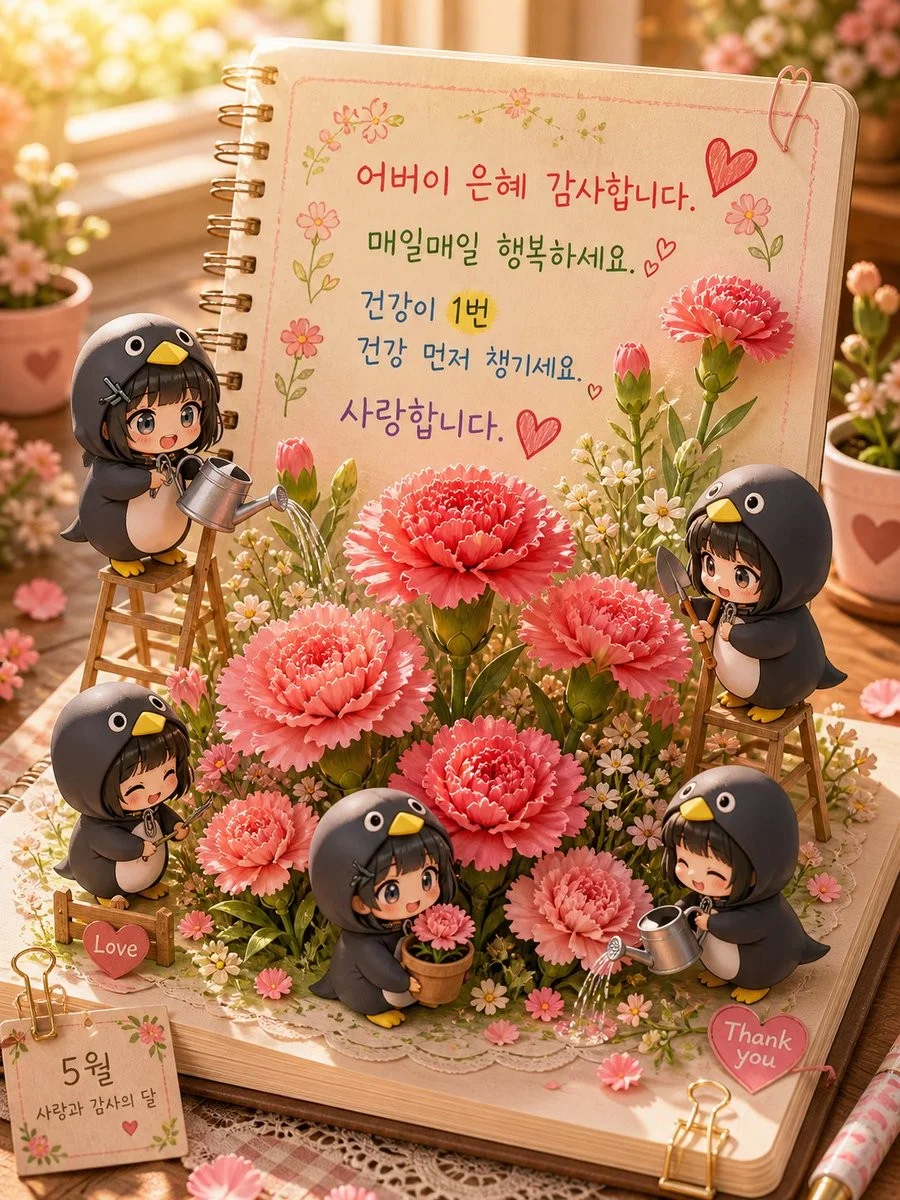
3D Pop-up Parents Day Card
3D 노트 위 꽃이 입체적으로 피어나는 장면, 첨부된 사진의 미니 캐릭터들이 물주고 가꾸는 모습, {argument name="날씨" default="따뜻한 5월 햇살"}, 캐리커처 스타일, 밝고 사랑스러운 분위기, 실제 꽃처럼 디테일하게,
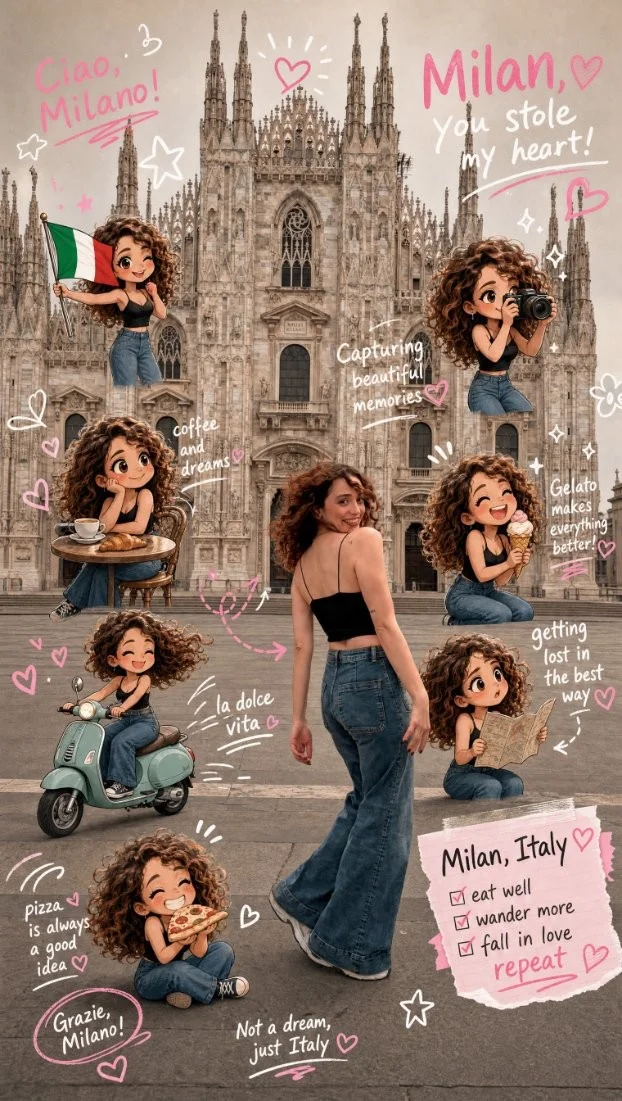
Chibi Scrapbook Photo Transformation
remove the people around the main character, Add multiple small, cute chibi-style “mini versions” of her around the image.
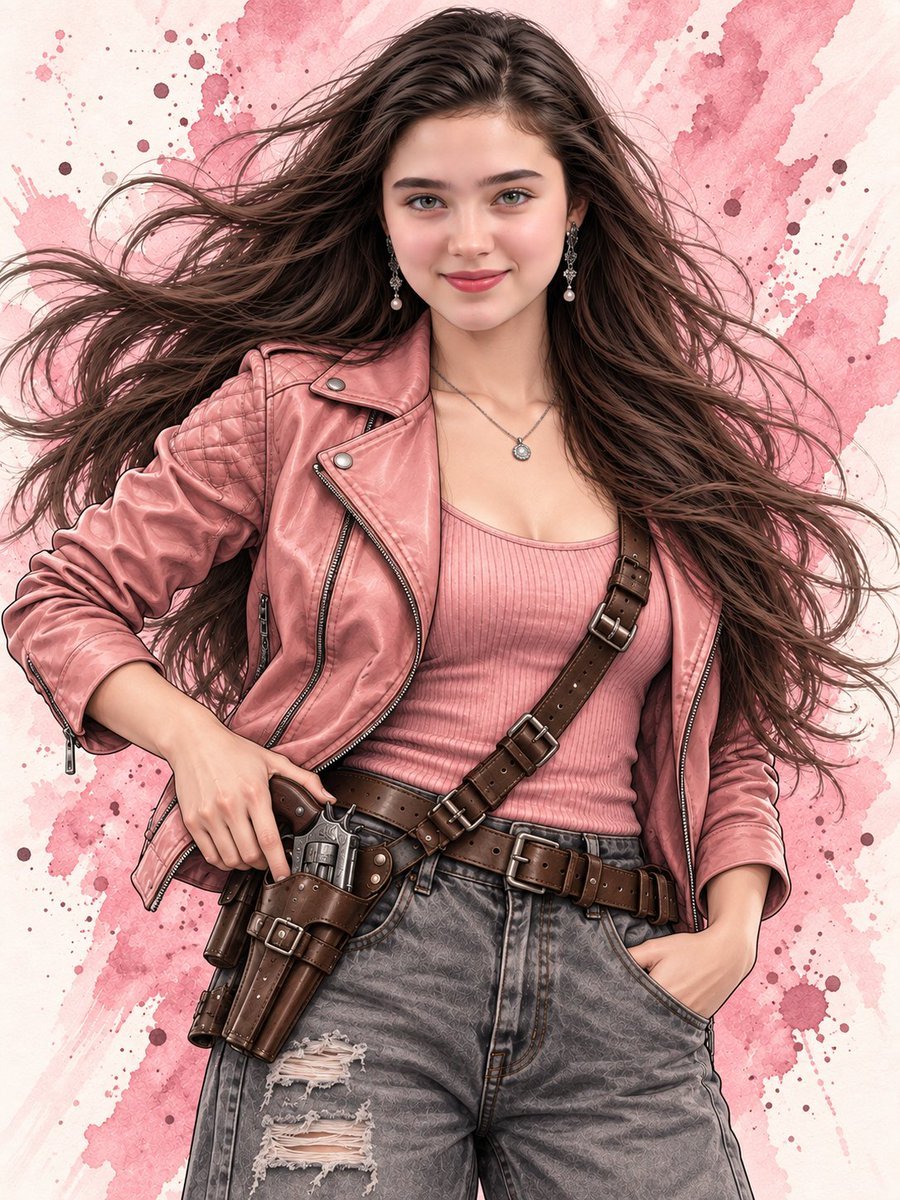
AI Photo Generation Guide
1. Open Gemini / Grok / GPT Image 2.0 2. Upload your photo 3. Copy the prompt 4. Generate 5. Prompt ⤵️ https://t.co/ufvHABxbuM
Depth in Image Generation
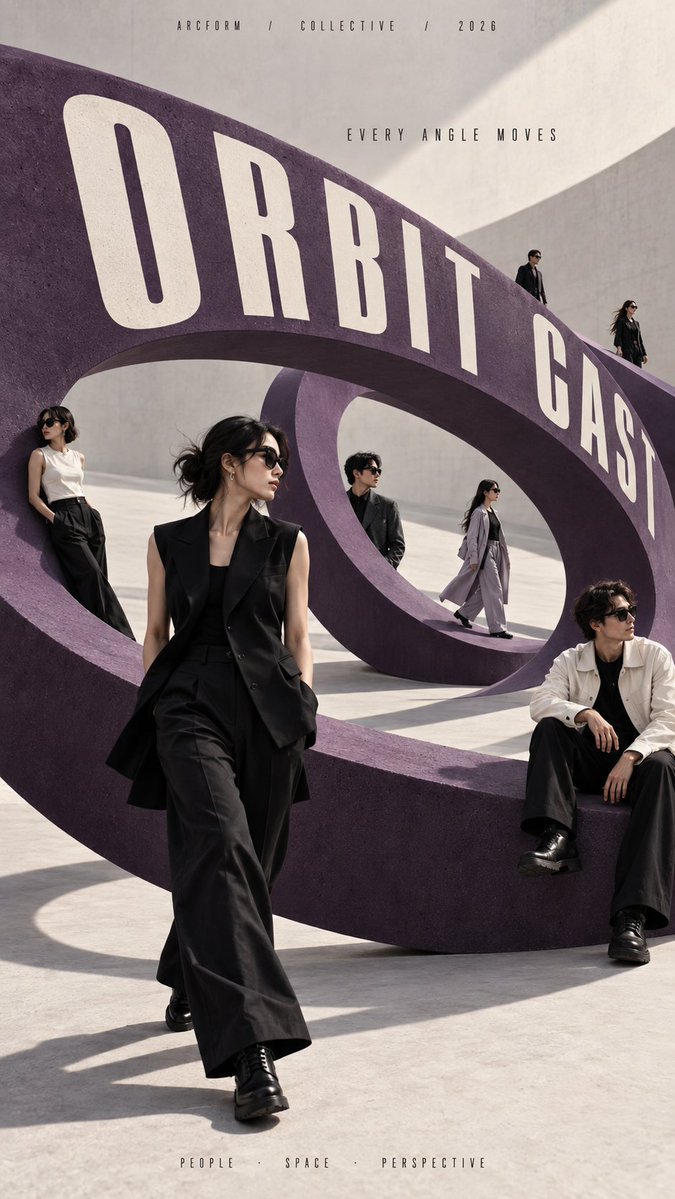
🤯 Images 2.5 is so good at building depth!
AI Sticker-Cutout Photo Effect
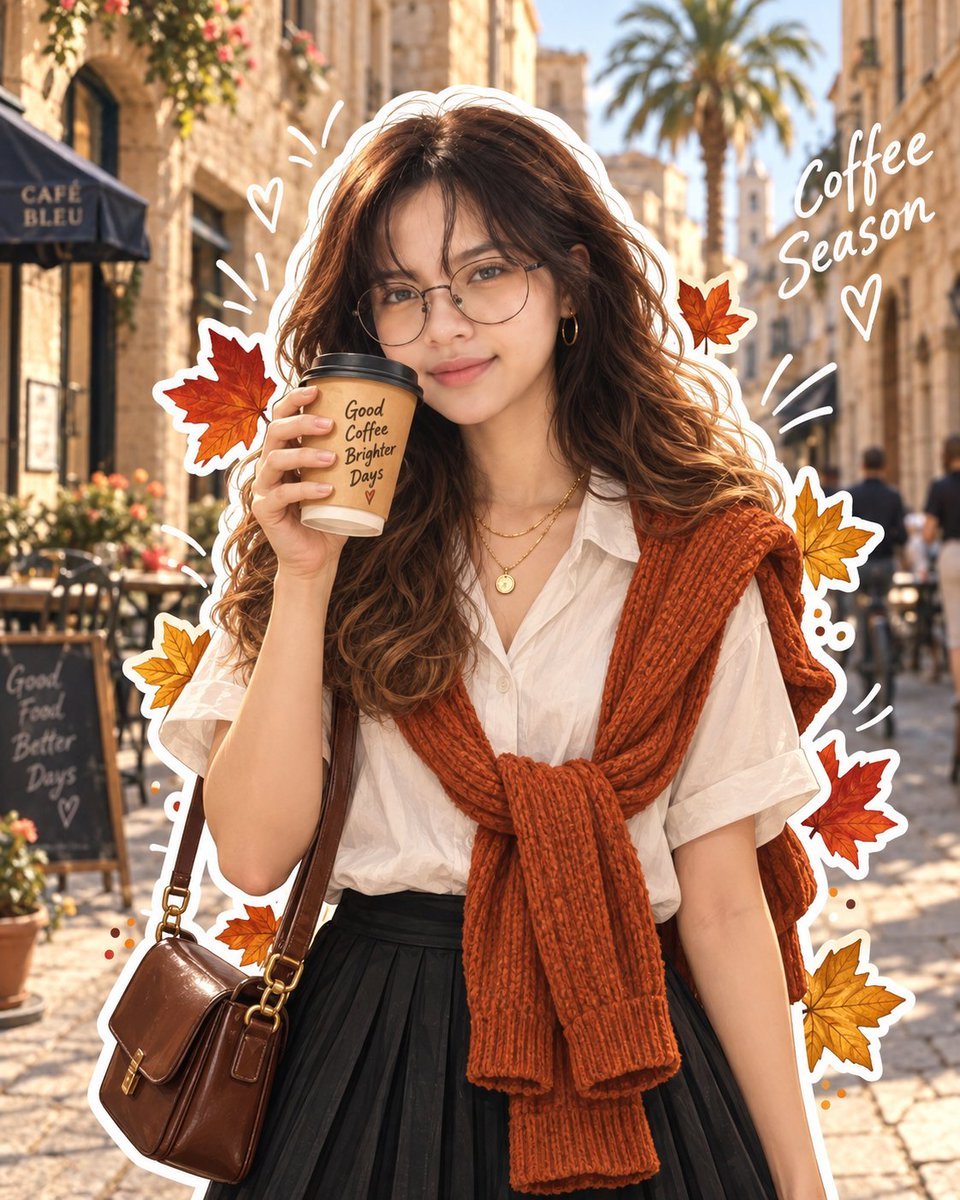
How to get this viral sticker-cutout photo effect with AI GPT image 2 on chatgpt Prompt👇 https://t.co/Re6oPaU3zv
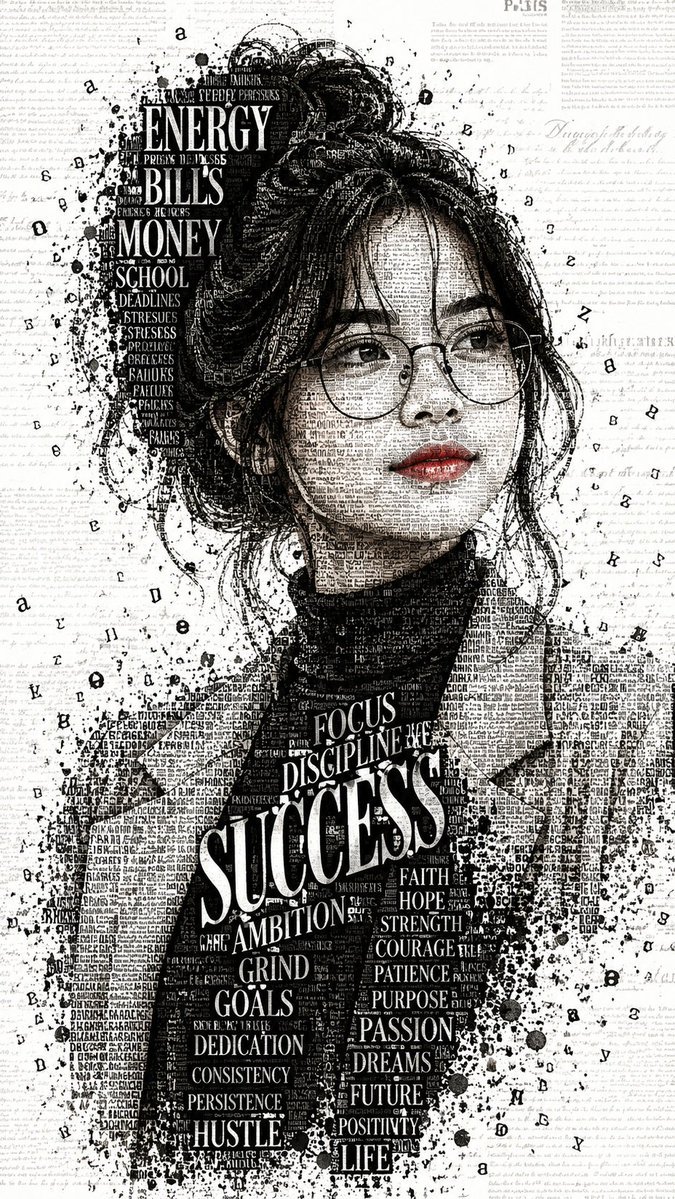
Photo made of words
Your photo, but made entirely from words 🤯👇 ① Open Gemini / Grok / GPT Image 2.0 ② Add your photo ③ Paste the prompt ④ Generate.
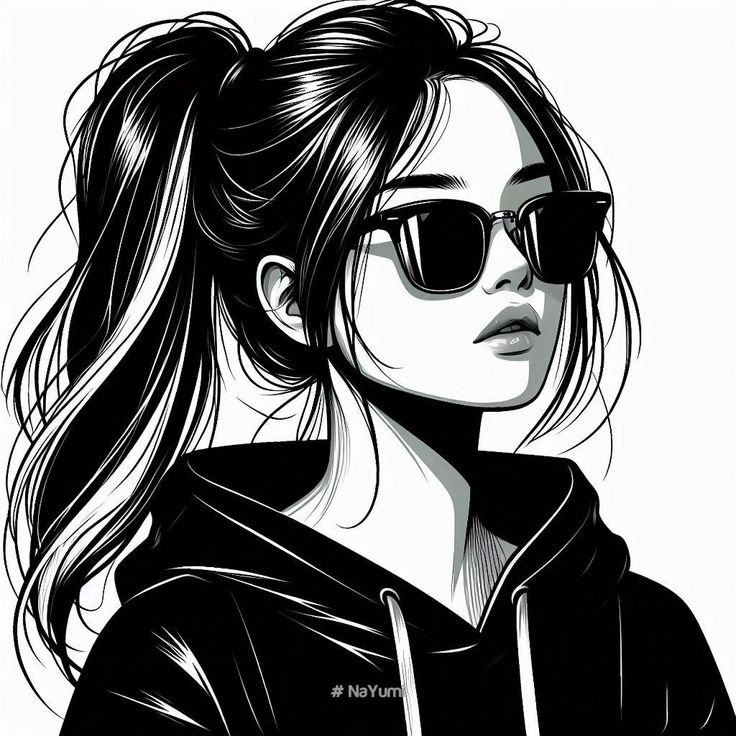
Photo to Hand-Drawn Art
Turn your photo into a hand-drawn masterpiece ✍️🖤 ① Upload your photo ② Copy this prompt ③ Generate ④ Done.
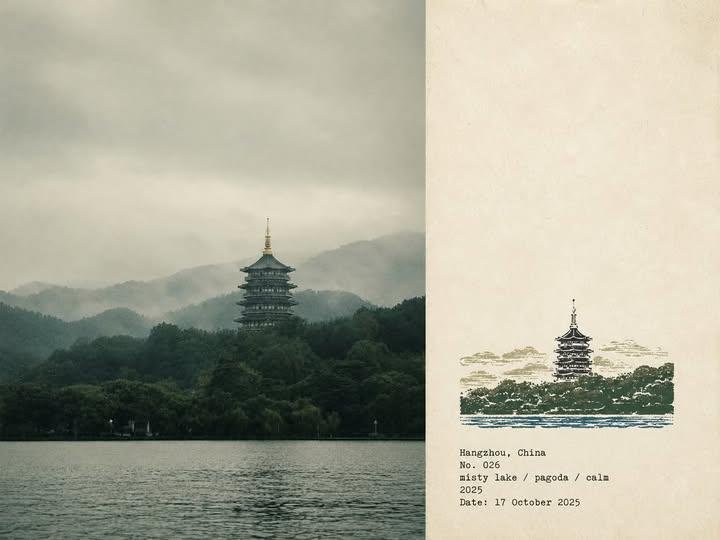
Rubber Stamp Travel Field Notes Poster
GPT image 2 on chatgpt Prompt👇 Please create a separate "Rubber Stamp Travel Field Notes Poster" for each photo I upload, outputting each
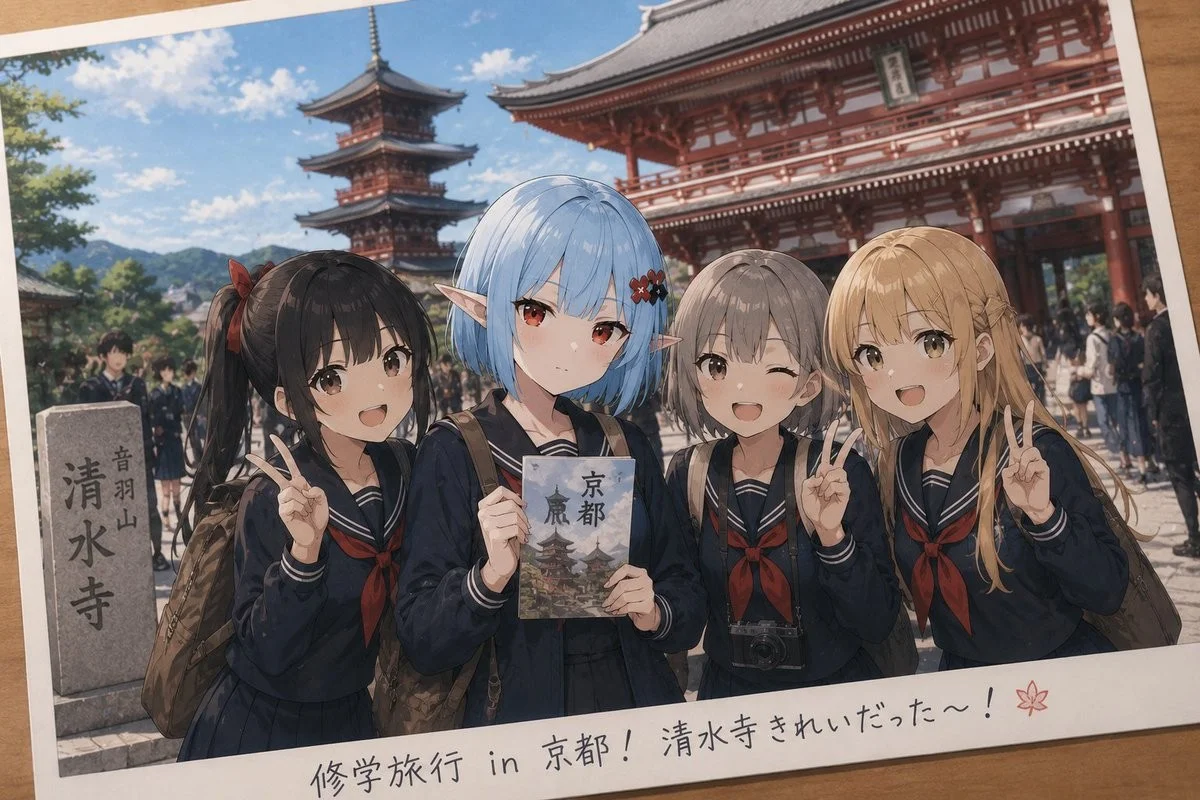
Event Photo Synthesis Illustration
Generate a single illustration based on the school trip photos.
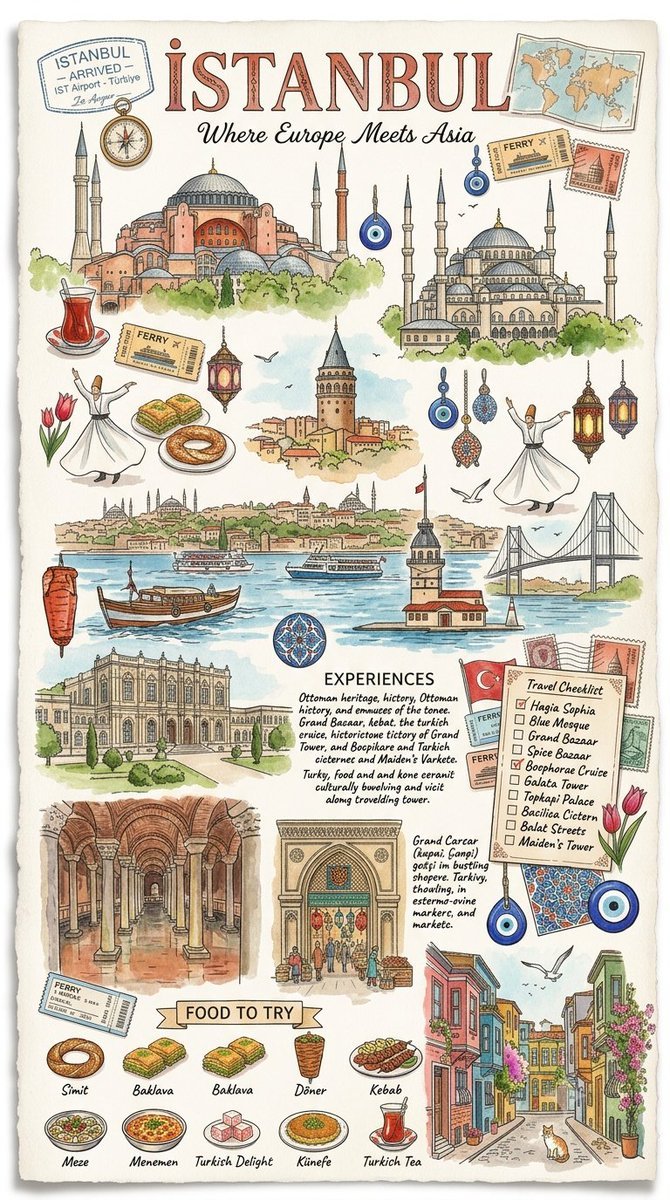
Istanbul Travel Journal Collage
Image created on Gpt 2 Prompt: Ultra-realistic hand-painted watercolor travel collage with soft ink outlines, vintage travel journal
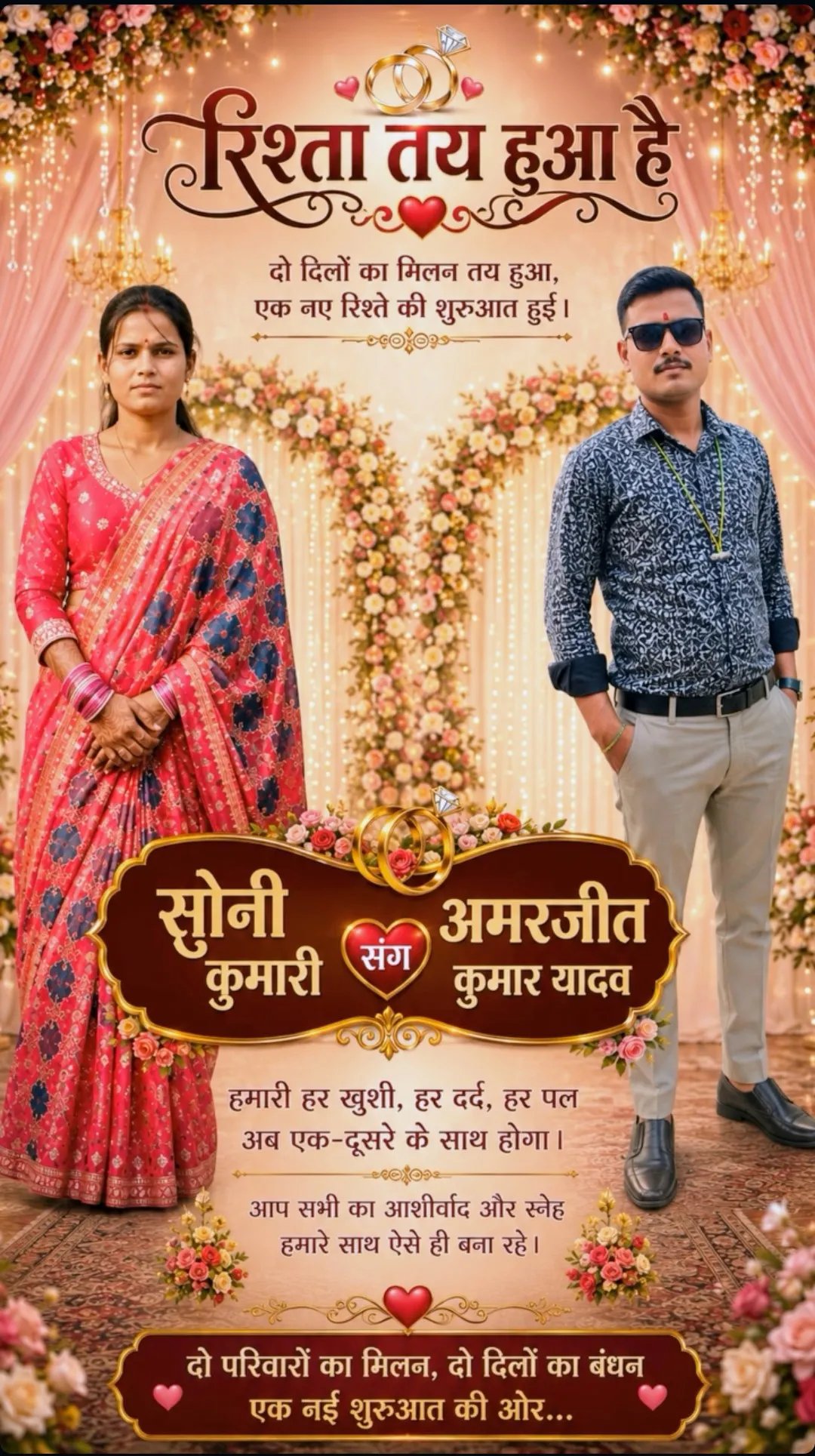
Indian Wedding Invitation Card
"एक भव्य भारतीय डिजिटल वेडिंग इनविटेशन कार्ड (Digital Wedding Invitation Card)। बैकग्राउंड में हल्के गुलाबी और सुनहरे रंग के पर्दे
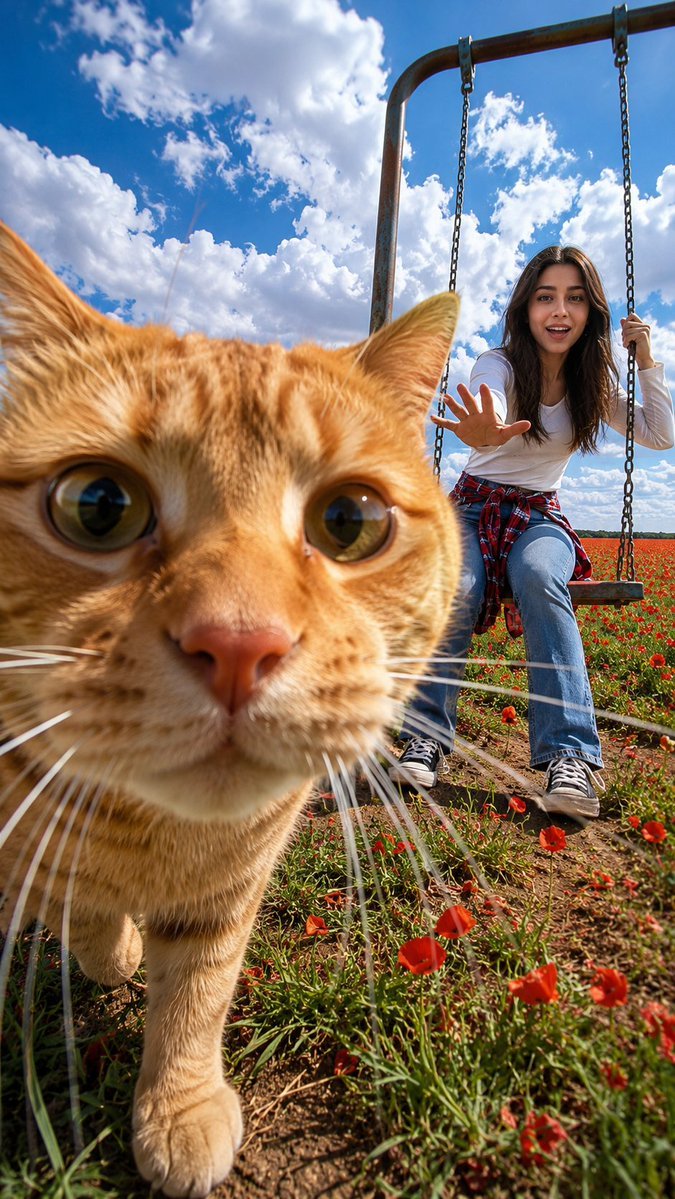
Cat Ruins Photo
GPT Image 2 on ChatGPT Prompt: Use the uploaded reference image as the primary facial reference.