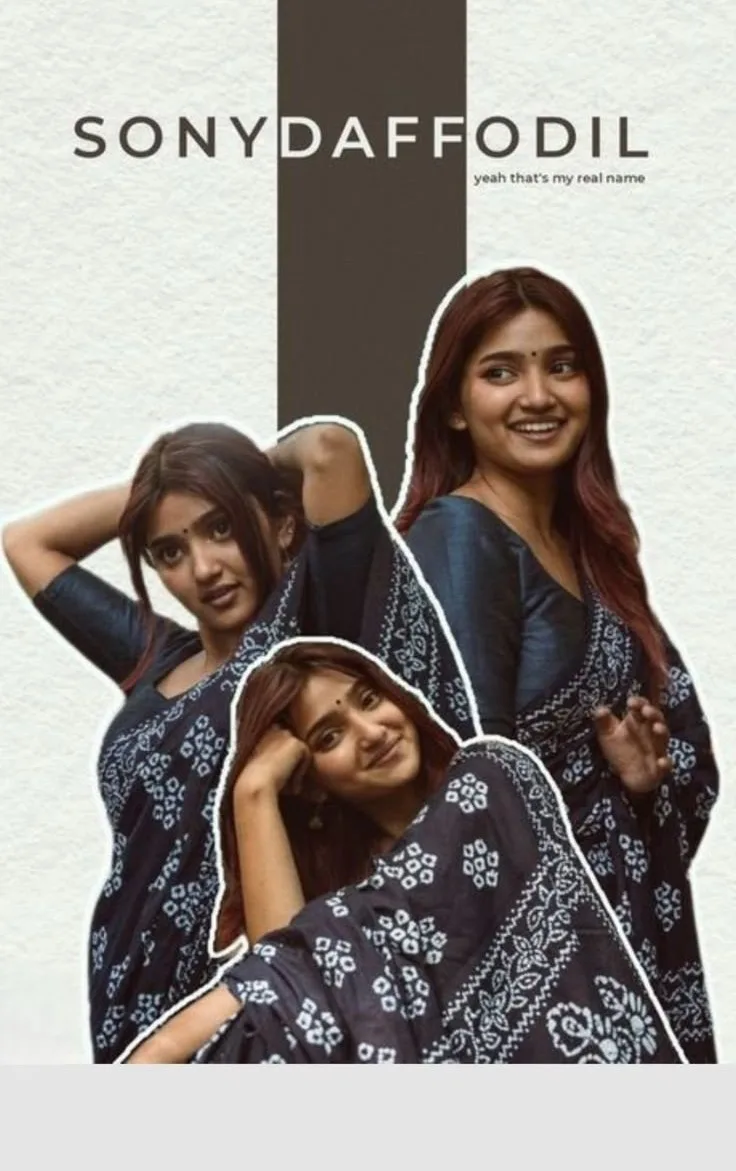
Triple Exposure Editorial Collage
Source: @rehman
This prompt generates Triple Exposure Editorial Collage.
It is written for ChatGPT.
The prompt specifies three-quarter.
One variable you can change is Photorealistic look.
How to use this prompt
- Model: ChatGPT.
- Subject: Triple Exposure Editorial Collage.
- Change Photorealistic look.
0 views · 0 copies · 0 favorites · 0 discussing
0Prompt
1 of 1 free copies left today
Use the uploaded user photo as the ONLY and STRICT source of the human subject’s identity. Preserve the exact recognizable person from the uploaded photo with maximum fidelity: facial structure, facial proportions, face shape, forehead, eyebrows, natural eye shape, nose, lips, mouth structure, jawline, cheekbones, chin, skin tone, natural skin texture, hairline, hair characteristics, age, facial hair if present, and every distinctive facial characteristic. Do not replace, beautify, redesign, slim, widen, masculinize, feminize, age, de-age, or reinterpret the identity. The reference image controls the scene, poses, expressions, styling, composition, and visual treatment only. If the uploaded person is male, female, or has different physical characteristics from the reference, keep the uploaded person exactly as they are; never transform their identity to match the reference subjects.
Create a highly accurate editorial collage/poster inspired by the supplied reference image, preserving its exact overall composition and visual hierarchy. The final artwork is a vertical portrait-format image approximately 736×1171 proportions, with a warm off-white/light cream textured paper background. The background should have subtle handmade paper grain, fine fibers, faint uneven tonal variation, and a slightly vintage printed-poster feel. In the upper center, place a tall, narrow vertical dark charcoal-brown rectangular graphic extending from the top edge downward behind the subjects, approximately one-quarter of the image width. Keep its edges clean and straight.
At the upper portion, overlay large black/dark charcoal modern sans-serif typography reading “SONYDAFFODIL”, widely spaced uppercase letters, horizontally spanning most of the composition. Position the lettering across the dark vertical rectangle and surrounding cream background exactly like a minimalist fashion/editorial poster. Beneath the right side of the title, add a tiny understated dark caption reading “yeah that’s my real name”. Keep typography crisp, simple, thin-to-medium weight, and balanced; it should feel like a contemporary independent fashion collage.
Recreate the reference’s three-layered human collage using the uploaded person’s identity consistently in every appearance. The same person must appear three times, with identical recognizable facial identity but different poses and expressions corresponding precisely to the three reference figures. Do not blend their faces together. Each appearance must look like the same real individual photographed separately and then composited into one poster.
MAIN BACK/LEFT FIGURE: Place the first duplicate toward the left-middle of the frame, occupying roughly the left half of the composition. Recreate the reference pose: the subject is standing or seated upright with the torso angled slightly toward the camera while both arms are raised behind/around the head. One elbow extends outward toward the upper-left edge while the other arm bends upward behind the head, creating a strong triangular silhouette. The shoulders and upper body should remain relaxed and natural. The head is tilted slightly and turned toward the camera. Reproduce the reference’s serious-to-softly contemplative facial expression: relaxed lips with a subtle restrained expression, slightly focused eyes, calm brows, and a mildly introspective mood. The gaze should match the reference, directed toward the camera with a natural slightly off-center quality. Do not copy the expression or gaze from the uploaded source photo.
MAIN BACK/RIGHT FIGURE: Place the second duplicate behind and slightly to the right, taller and more prominent in the upper-right/middle portion. Recreate the reference’s upright three-quarter pose. The torso faces generally toward the camera but is angled slightly sideways. One arm hangs naturally while the other hand is lifted around waist/chest level with fingers relaxed and slightly separated, as though caught in a casual conversational gesture. The head is upright with a subtle natural tilt. The expression is openly cheerful and warm: a genuine broad smile, relaxed cheeks, naturally raised mouth corners, bright eyes, and friendly energy. The gaze is directed toward the camera/viewer. Preserve the uploaded person’s exact identity while reconstructing this reference expression. Hair should be adapted to the user’s own natural hairstyle and identity rather than copying the reference person’s hair identity.
FOREGROUND FIGURE: Place the third duplicate prominently across the lower center/front of the composition, overlapping the other two figures. Recreate the reference’s seated/low crouched fashion pose. The subject is positioned diagonally across the lower frame with the upper body leaning slightly sideways. One elbow/forearm is raised and supports the side of the head, with the hand resting gently against the temple/cheek. The opposite arm extends downward/forward naturally. The lower body is folded into a relaxed seated pose, with one leg extending diagonally toward the lower-left/lower-center area. The pose should feel casual, youthful, intimate, and editorial rather than stiff. The head is tilted toward the supporting hand, matching the reference angle precisely. Recreate the reference’s soft, playful expression: a gentle closed-mouth or very subtle smile, relaxed eyes, slightly tilted head, calm affectionate mood, and direct/near-camera gaze. Again, use the user’s identity but the reference’s expression, gaze, and head position.
All three versions must wear the same style of clothing seen in the reference: a dark navy/black traditional South Asian printed outfit with a matching draped fabric, featuring repeated small white geometric/ikat-like motifs, floral-inspired patterns, and larger decorative printed sections. Recreate the dark indigo/navy base color, white printed detailing, fabric drape, folds, texture, and traditional silhouette. Keep the garment visually consistent across all three appearances. Adapt the exact fit naturally to the user’s body without changing their identity or anatomy. Include small understated traditional accessories visible in the reference, such as simple earrings and a small forehead adornment/bindi only if appropriate to the reference styling, while ensuring these are styling elements rather than identity changes.
Separate each figure from the background and from one another with a thin, hand-cut-looking white outline/stroke around the silhouettes. The white contour should be clearly visible, slightly irregular like a manually cut collage, approximately a few pixels thick, creating a sticker/cutout effect. The figures overlap each other naturally: the left figure sits behind the foreground figure, the right figure overlaps/stands behind the foreground figure, and the foreground figure is visually dominant in the lower center. Preserve the exact layering relationships and silhouette intersections from the reference.
Use soft, even photographic lighting with mild directional modeling on the faces and clothing. The image should look like real photographs of the same person cut out and composited into a graphic poster rather than a digitally generated illustration. Preserve realistic skin texture, subtle pores, natural facial detail, realistic hair strands, authentic cloth texture, and believable shadows. Avoid excessive HDR, plastic skin, artificial beauty retouching, or exaggerated cinematic effects. Add very subtle print grain and slightly muted contrast to integrate the photographic cutouts with the textured paper background.
Camera perspective should resemble a normal portrait photograph captured at approximately eye level with a natural 50mm-style perspective, without wide-angle distortion. Each figure should maintain realistic human proportions and anatomy. Facial features must remain sharp enough to confirm the same identity in all three appearances. Keep the overall framing tightly matched to the reference: large empty cream space around the upper typography, dark vertical rectangle centered behind the title, three overlapping photographic figures filling the middle and lower portion, and the bottom edge cropping into the foreground figure similarly to the reference.
Maintain the reference’s minimal color palette: warm ivory/off-white paper, dark charcoal-brown graphic rectangle, black/dark charcoal typography, navy/black clothing, white clothing patterns and white cutout outlines, natural warm skin tones, and subtle muted reddish/brown or dark tones only where naturally present in the user’s hair or features. Do not introduce bright colors, additional objects, scenery, furniture, landscapes, or decorative elements not present in the reference.
The final image must feel like a carefully assembled contemporary fashion/editorial collage: minimalist, slightly quirky, nostalgic, handmade, photographic, youthful, and aesthetically polished. Preserve the exact visual hierarchy of the reference rather than creating a generic portrait. Most importantly: USER PHOTO = WHO THE PERSON IS; REFERENCE IMAGE = HOW THE PERSON appears, poses, looks, expresses emotion, and is composed. Identity fidelity is the highest priority, followed by reference expression/gaze/head pose, then body pose and composition, then clothing/environment, then lighting and graphic style. Do not allow the user’s original facial expression, gaze, or pose to override the reference. Ensure all three figures unmistakably represent the same person from the uploaded photo while accurately recreating the reference poster’s three-person collage composition.
Similar prompts
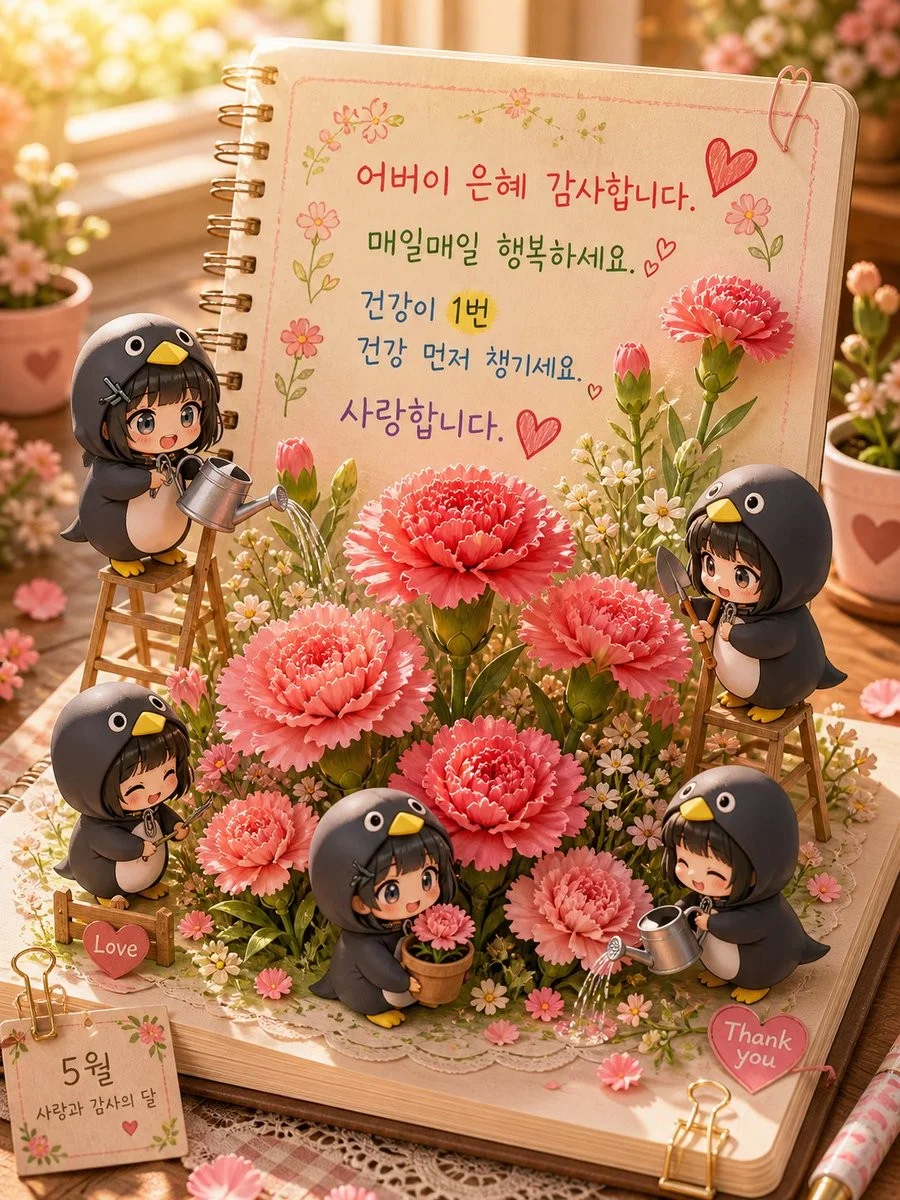
3D Pop-up Parents Day Card
3D 노트 위 꽃이 입체적으로 피어나는 장면, 첨부된 사진의 미니 캐릭터들이 물주고 가꾸는 모습, {argument name="날씨" default="따뜻한 5월 햇살"}, 캐리커처 스타일, 밝고 사랑스러운 분위기, 실제 꽃처럼 디테일하게,
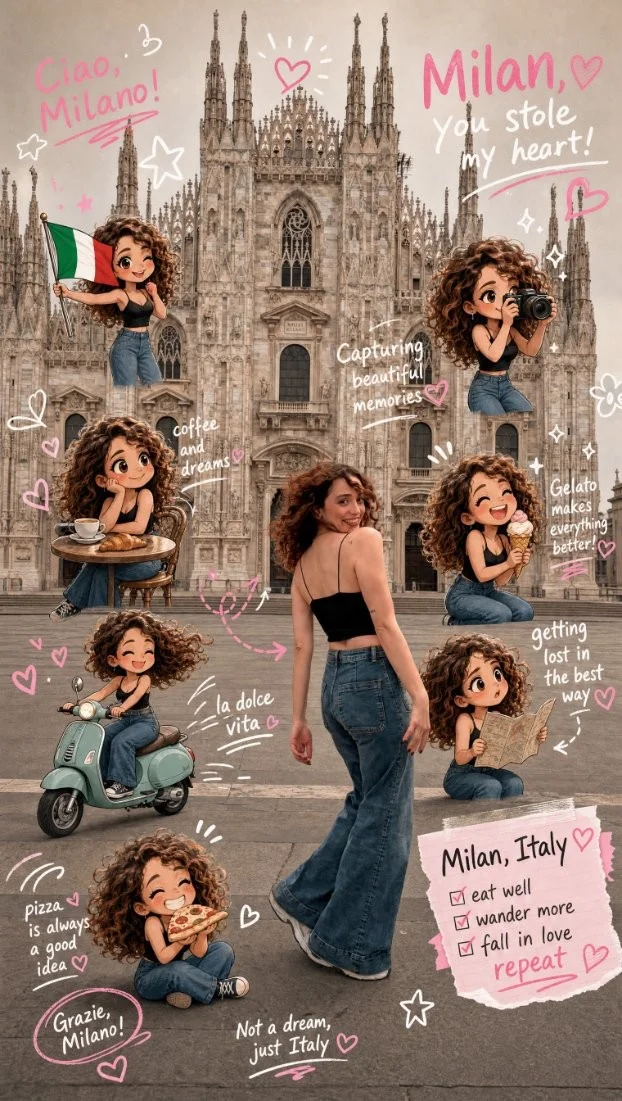
Chibi Scrapbook Photo Transformation
remove the people around the main character, Add multiple small, cute chibi-style “mini versions” of her around the image.
AI Photo Generation Guide
1. Open Gemini / Grok / GPT Image 2.0 2. Upload your photo 3. Copy the prompt 4. Generate 5. Prompt ⤵️ https://t.co/ufvHABxbuM
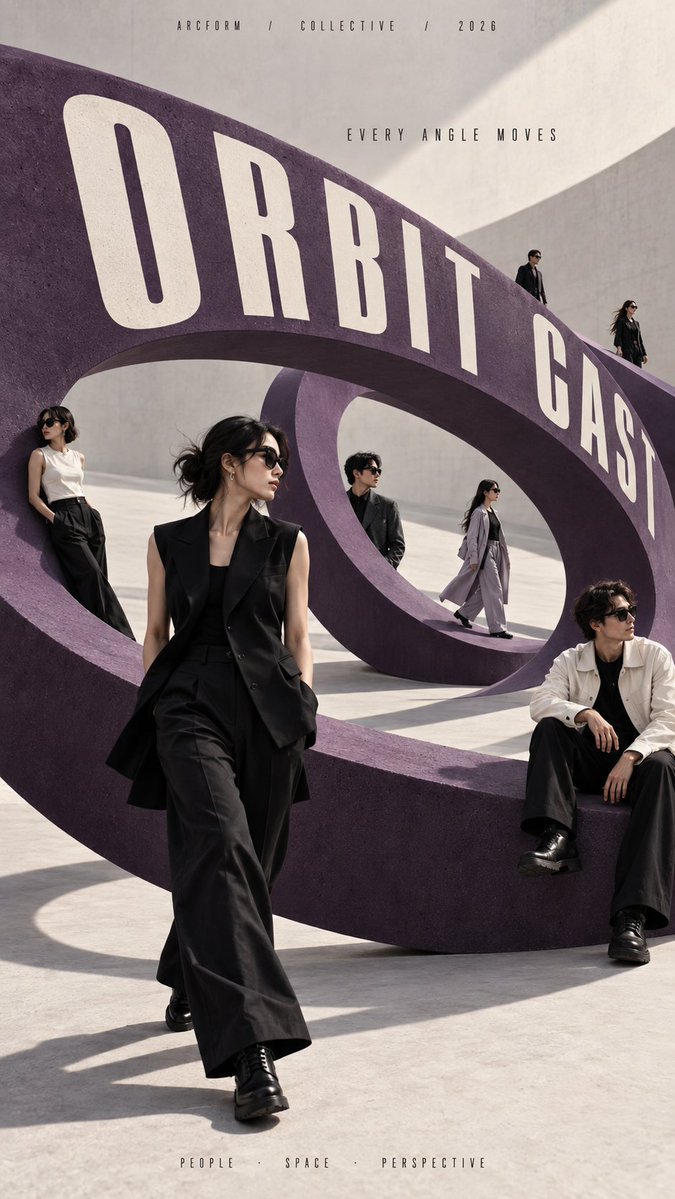
Depth in Image Generation
🤯 Images 2.5 is so good at building depth!
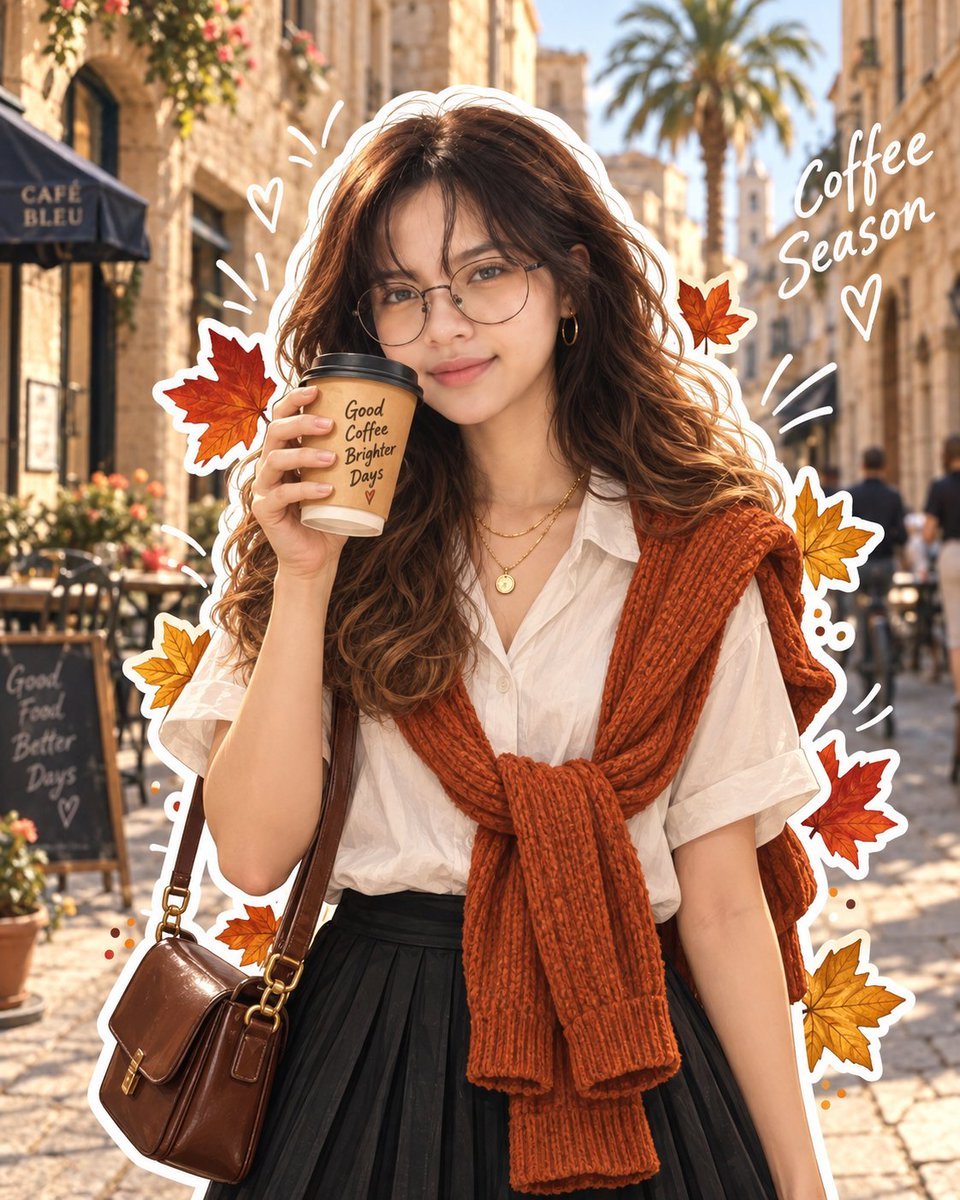
AI Sticker-Cutout Photo Effect
How to get this viral sticker-cutout photo effect with AI GPT image 2 on chatgpt Prompt👇 https://t.co/Re6oPaU3zv
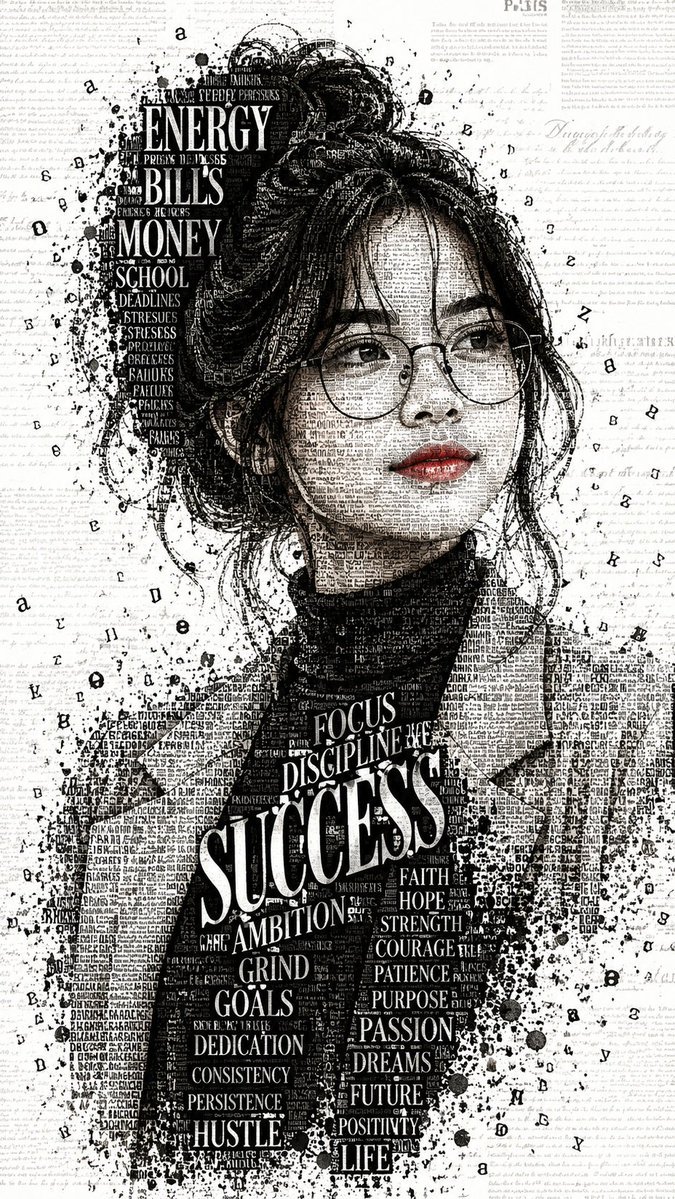
Photo made of words
Your photo, but made entirely from words 🤯👇 ① Open Gemini / Grok / GPT Image 2.0 ② Add your photo ③ Paste the prompt ④ Generate.
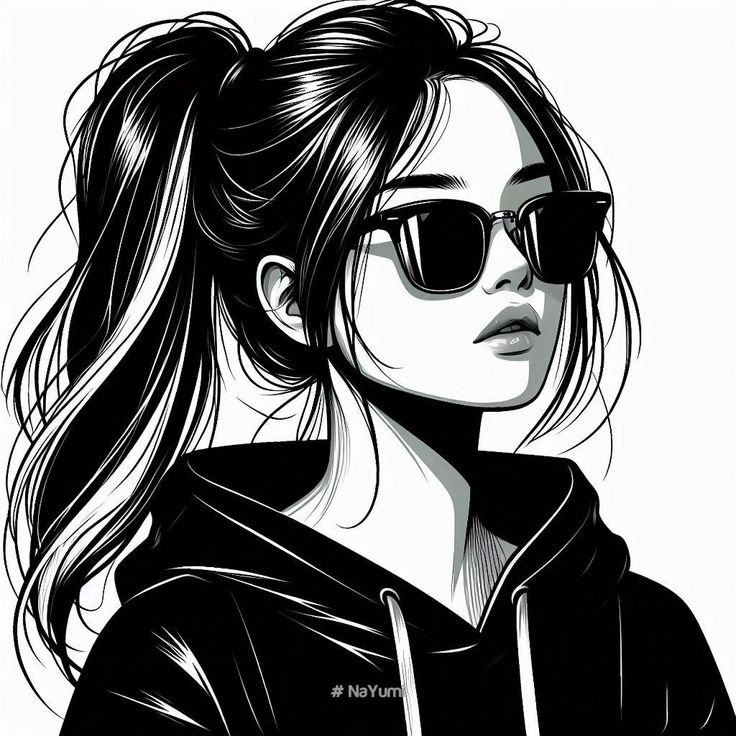
Photo to Hand-Drawn Art
Turn your photo into a hand-drawn masterpiece ✍️🖤 ① Upload your photo ② Copy this prompt ③ Generate ④ Done.
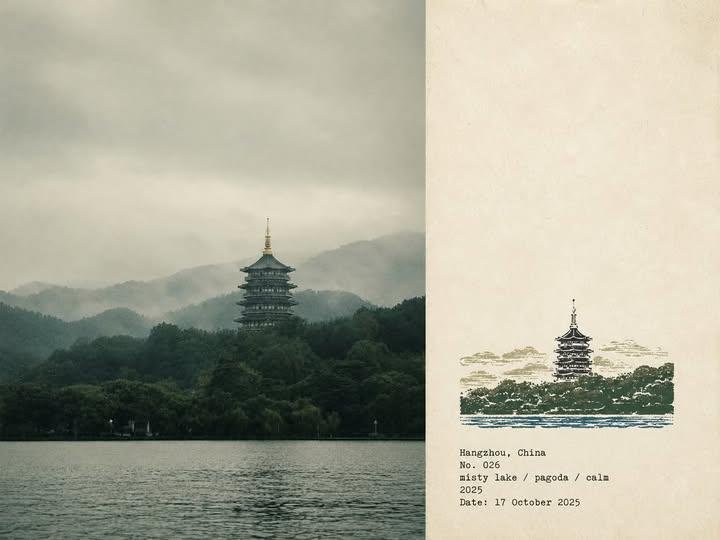
Rubber Stamp Travel Field Notes Poster
GPT image 2 on chatgpt Prompt👇 Please create a separate "Rubber Stamp Travel Field Notes Poster" for each photo I upload, outputting each
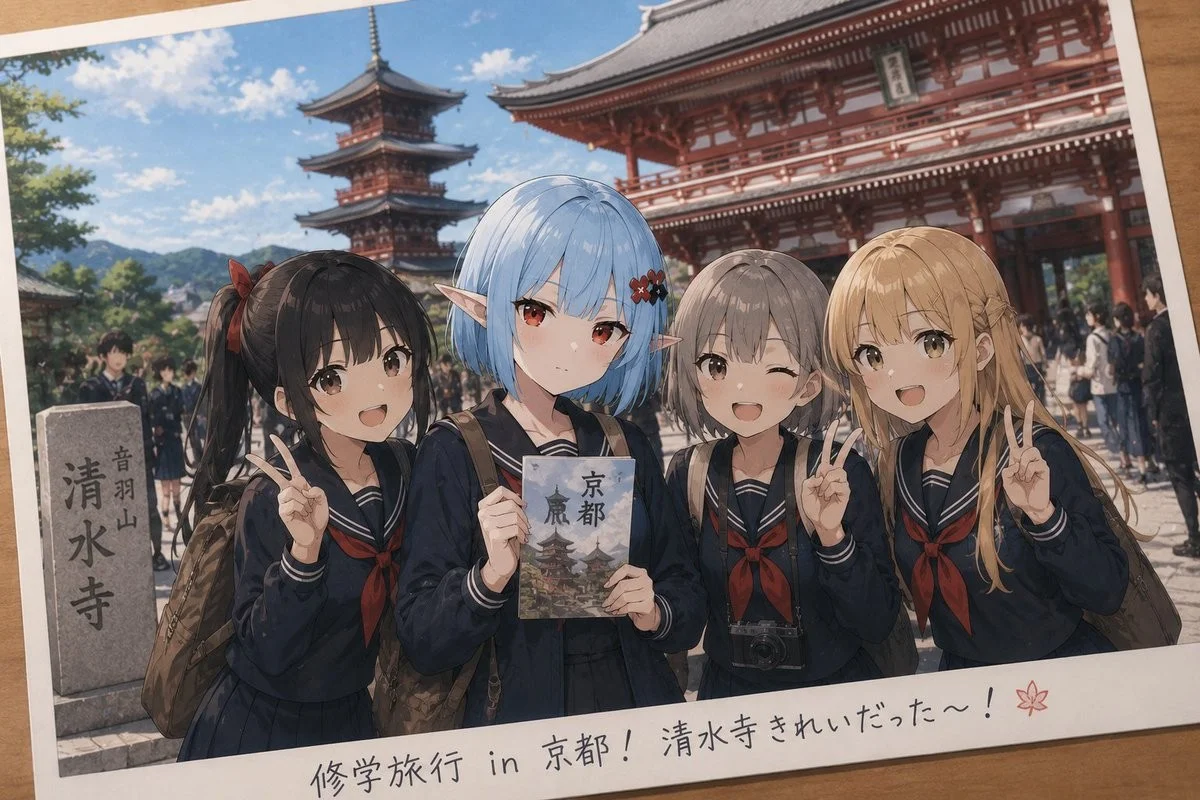
Event Photo Synthesis Illustration
Generate a single illustration based on the school trip photos.
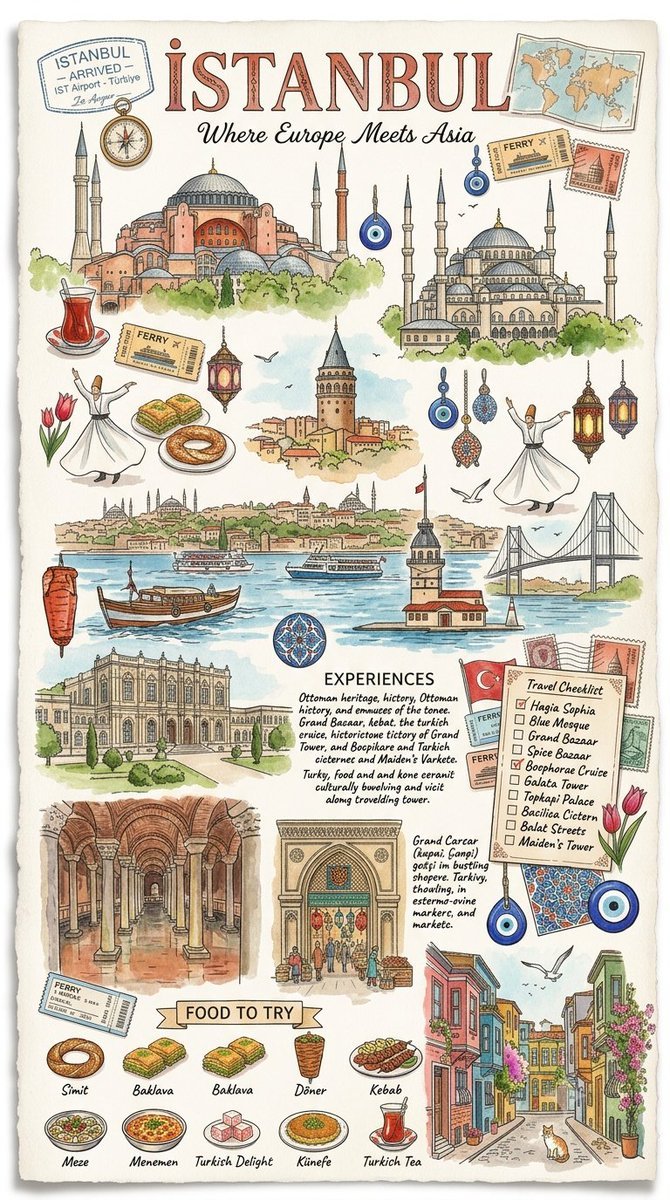
Istanbul Travel Journal Collage
Image created on Gpt 2 Prompt: Ultra-realistic hand-painted watercolor travel collage with soft ink outlines, vintage travel journal
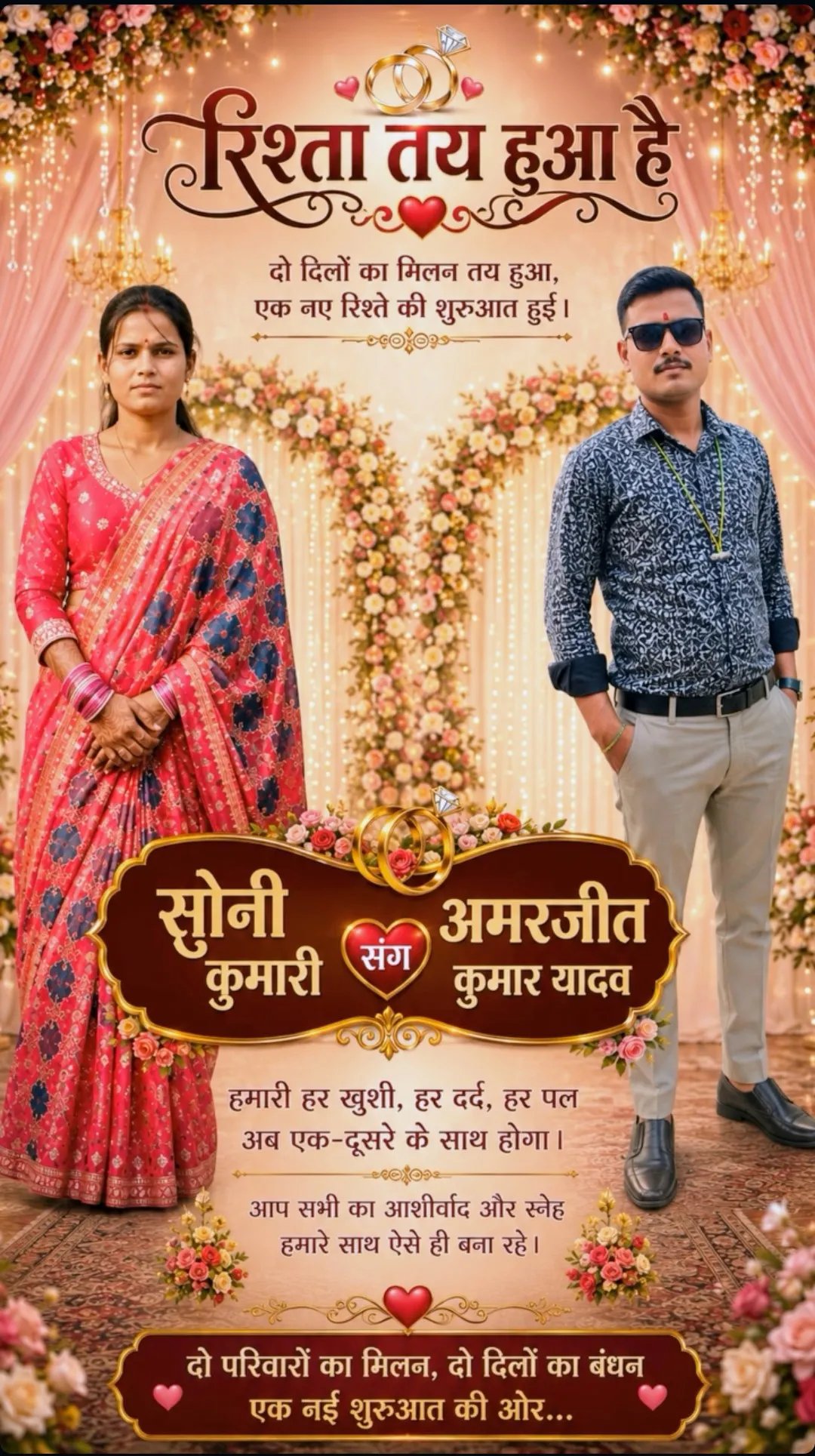
Indian Wedding Invitation Card
"एक भव्य भारतीय डिजिटल वेडिंग इनविटेशन कार्ड (Digital Wedding Invitation Card)। बैकग्राउंड में हल्के गुलाबी और सुनहरे रंग के पर्दे
Cat Ruins Photo
GPT Image 2 on ChatGPT Prompt: Use the uploaded reference image as the primary facial reference.